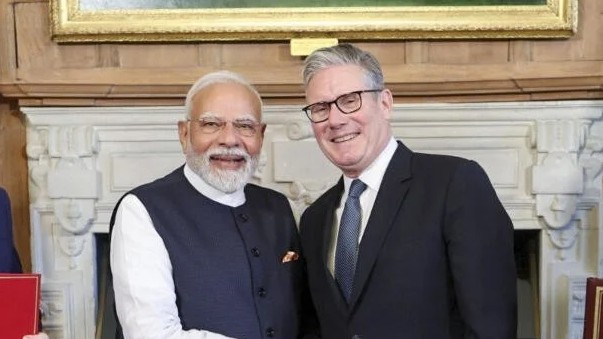
London / Mumbai, October 8, 2025 — On a mission designed to turn diplomatic pages into economic momentum, UK Prime Minister Keir Starmer has touched down in India, leading a delegation of over 120 business, academic, and cultural figures. His objective: to cement the trade gains secured in July and convert the accord into real opportunities for British firms.
A Post-Deal Mission, Not a Promise of Migration
The backdrop is significant. Earlier this year, the UK and India signed a landmark Free Trade Agreement (FTA), aimed at boosting bilateral commerce and reducing trade barriers. As Starmer’s trade mission unfolds, his message is clear: this visit is about business, not visas. He has publicly rejected proposals to include major migration shifts as part of the package, insisting that the trade pact be implemented swiftly and purely on economic terms.
While some business voices have pushed for easier visa rules to attract Indian talent to the UK, Starmer remains cautious. He argues that the trade deal and migration policy must be kept distinct — a position intended to balance growth ambitions with domestic political sensitivities about immigration.
The Delegation Represents Big Ambition
Traveling alongside Starmer are CEOs, university vice-chancellors, and trade commissioners, reflecting the wide scope of the mission. Key sectors such as energy, manufacturing, education, and technology are being showcased. The UK government sees this as the first in a series of engagements aimed at pushing the FTA from paper to practice.
One of the mission’s first headlines: plans to produce three Bollywood films in the UK by 2026. This move is intended not just to showcase cultural affinity, but to open pathways for film tourism, creative investment, and cross-industry collaboration.
What’s at Stake
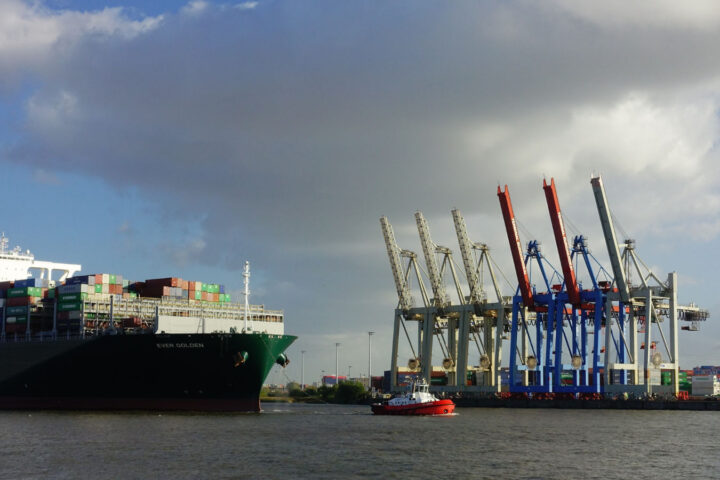
Exports and tariffs feature at the heart of the agreement. British companies producing goods in sectors like whisky, aerospace components, and medical devices anticipate relief from historically high Indian tariffs. In turn, India expects easier access for garments, food, and textiles in the UK market.
Economic forecasts suggest that bilateral trade could rise by £25.5 billion by 2040. Yet, Starmer and his delegation want results sooner. He has urged implementing the FTA “as soon as humanly possible,” signaling urgency in unlocking the deal’s latent potential.
For Starmer, the trip is not simply about trade — it’s also about restoring confidence in his leadership. With the Labour government under scrutiny at home over economic performance and public services, showcasing effective diplomacy and growth partnerships is politically valuable.
Challenges, Criticism & Balancing Acts
While the trade rhetoric has drawn applause from many in industry, critics argue that the UK must be careful not to overpromise. Skeptics warn that any follow-through will require careful calibration: avoiding tariff shocks, protecting local industries, and maintaining standards on labor and environmental rules.
Another thorn is immigration. With pressure from some quarters to open UK doors wider to Indian professionals, Starmer’s decision to decouple visas from the trade deal is already drawing fire from business leaders who say access to skilled talent is essential to maximizing trade growth.
Domestically, the government must also keep an eye on Labour’s political base. Many voters remain sensitive about immigration levels, and any perceived “softening” could lead to backlash from regions where communities feel left behind by national policy shifts.
What to Expect
Over the two-day diplomatic schedule, Starmer is set to meet Indian Prime Minister Narendra Modi and address a fintech conference in Mumbai. He will push for early ratification of the trade pact and additional deals on air services, education partnerships, and joint R&D.
Announcements of new flight routes between the UK and India are expected. Already, there is talk of additional service routes from London and Manchester to Delhi—moves meant to physically tether commerce to connectivity.
Symbolic and Strategic Significance
This mission carries more than economic weight — it signals how the UK seeks to reposition itself on the global stage post-Brexit. India, with its large young population and burgeoning middle class, is viewed as a strategic counterbalance to European markets and Asian supply chains.
Starmer’s delegation is portraying the UK as a gateway for investment, innovation, and intellectual exchange. The push to host Bollywood shoots, for example, is aimed not just at revenue but at drawing cultural soft power into the UK’s export portfolio.
If this trip yields concrete trade flows, increased investment, and deeper institutional partnerships, it could herald a new chapter in UK-India relations — one measured not in goodwill, but in real jobs, factories, revenue, and technological exchange.