Thailand is one of the most popular travel destinations in the world, known for its beautiful beaches, rich culture, and affordable lifestyle. Whether you are planning a vacation, business trip, or long-term stay, understanding Thailand currency exchange is essential for managing your expenses and getting the best value for your money.
Thailand’s official currency is the Thai Baht (THB), and knowing how to exchange your money wisely can help you save significantly during your stay.
Understanding Thailand Currency
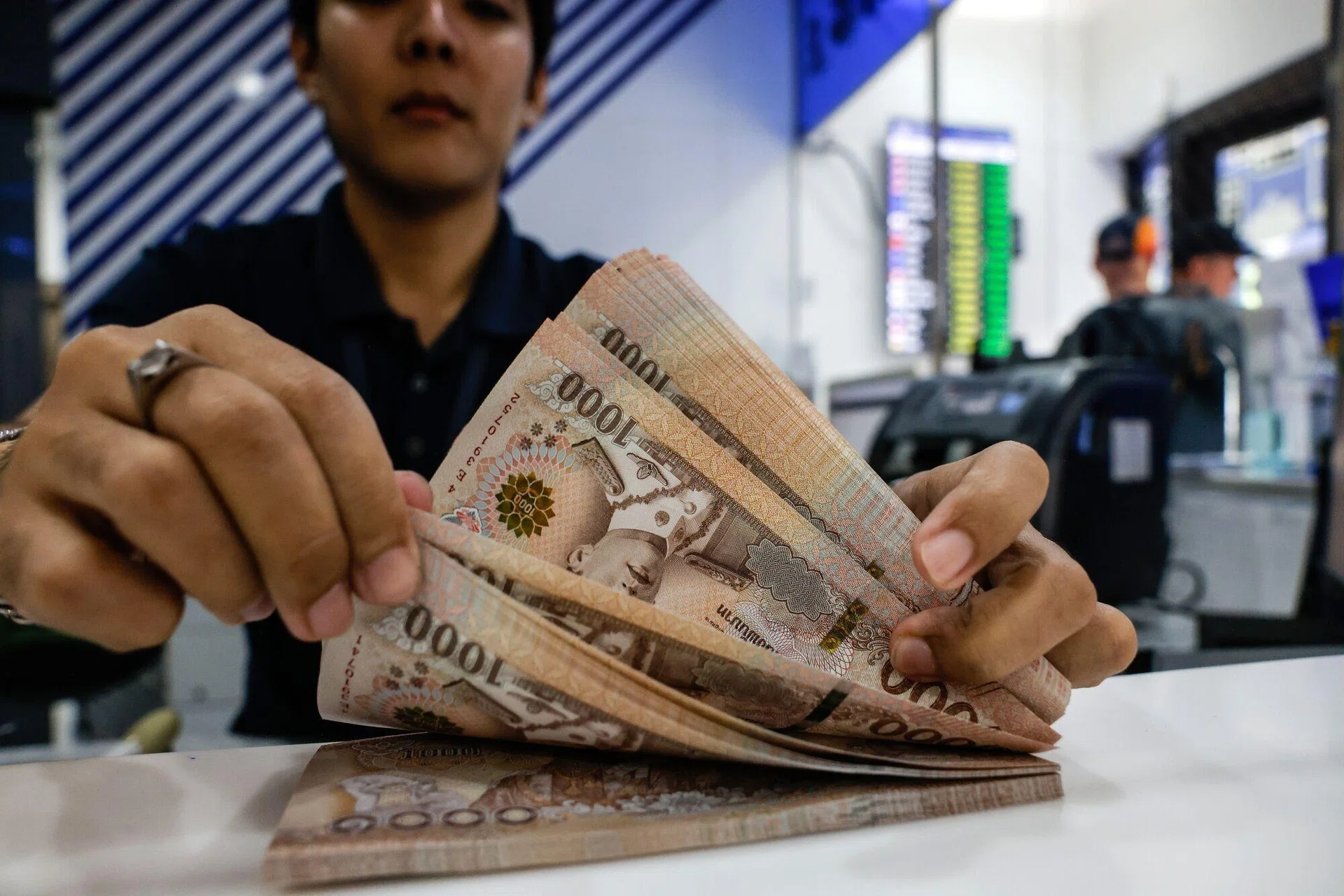
The official currency of Thailand is the Thai Baht. It is commonly represented by the symbol ฿ and the currency code THB. The Thai Baht is widely used throughout the country, and cash is still preferred in many places, especially local markets, small restaurants, and transportation services.
Thai currency is available in both coins and banknotes:
Thai Baht Banknotes
- 20 Baht
- 50 Baht
- 100 Baht
- 500 Baht
- 1000 Baht
Thai Baht Coins
- 1 Baht
- 2 Baht
- 5 Baht
- 10 Baht
Having smaller denominations is helpful for daily purchases, especially when shopping at street markets or paying for taxis.
Where to Exchange Currency in Thailand
When dealing with Thailand currency exchange, you have several options. Each option offers different rates and convenience.
Airport Currency Exchange
Most international travelers exchange money at airports when arriving in Thailand. Airports in Bangkok, Phuket, and Chiang Mai offer currency exchange services. However, airport exchange counters usually provide lower rates compared to city locations.
It is recommended to exchange only a small amount at the airport for immediate expenses such as transportation and meals.
Banks in Thailand
Banks provide reliable and secure currency exchange services. Major Thai banks offer competitive rates and transparent fees. Some popular banks include:
- Bangkok Bank
- Kasikorn Bank
- Siam Commercial Bank
- Krungthai Bank
Banks usually operate during business hours, typically from 9:00 AM to 3:30 PM on weekdays.
Currency Exchange Booths
Currency exchange booths often offer the best rates. In major cities like Bangkok, Phuket, and Pattaya, you will find many exchange counters with competitive pricing.
Popular exchange areas include:
- Shopping malls
- Tourist districts
- Major streets
- Near hotels
Always compare rates before exchanging money to get the best deal.
Hotels
Hotels also provide currency exchange services, but the rates are usually less favorable. It is better to use banks or dedicated exchange counters instead.
Using ATMs in Thailand
ATMs are widely available throughout Thailand. Most international debit and credit cards work in Thai ATMs. However, there are some things to consider:
- ATM withdrawal fees apply
- Your bank may charge international fees
- Currency conversion charges may apply
Despite these fees, ATMs remain one of the most convenient ways to access Thai Baht.
Best Currency to Bring to Thailand
When planning Thailand currency exchange, certain currencies are easier to exchange and often offer better rates:
Best currencies to bring:
- US Dollar (USD)
- British Pound (GBP)
- Euro (EUR)
- Australian Dollar (AUD)
- Singapore Dollar (SGD)
These currencies are widely accepted and easy to exchange throughout Thailand.
Tips for Getting the Best Exchange Rate
Getting a good Thailand currency exchange rate can help you save money. Here are some useful tips:
Compare Exchange Rates
Check multiple exchange counters before exchanging money. Rates can vary between providers.
Avoid Airport Exchanges
Airport exchange counters usually offer lower rates. Exchange only small amounts there.
Use Local Exchange Counters
Local exchange booths often provide better rates than banks and hotels.
Avoid Dynamic Currency Conversion
When paying by card, always choose to pay in Thai Baht rather than your home currency. This usually offers better conversion rates.
Withdraw Larger Amounts
If using ATMs, withdraw larger amounts to reduce transaction fees.
Credit Cards and Digital Payments in Thailand
Credit cards are accepted in many places, including:
- Hotels
- Shopping malls
- Restaurants
- Supermarkets
However, small businesses and street vendors often prefer cash. Therefore, carrying Thai Baht is recommended.
Digital payments and mobile wallets are also becoming popular, especially in major cities.
Budget Planning Using Thai Baht
Understanding Thailand currency exchange also helps you plan your budget effectively. Thailand is known for being affordable compared to many Western countries.
Average daily expenses:
Budget traveler:
- Accommodation: 300–800 Baht
- Food: 150–400 Baht
- Transport: 50–200 Baht
Mid-range traveler:
- Hotel: 1000–3000 Baht
- Food: 400–800 Baht
- Activities: 300–1000 Baht
Luxury traveler:
- Hotel: 4000+ Baht
- Dining: 1000+ Baht
- Activities: Premium pricing
These estimates help travelers manage expenses efficiently.
When is the Best Time to Exchange Currency?
Currency exchange rates change daily based on global markets. Monitoring exchange rates before your trip can help you exchange money at the right time.
You can:
- Track rates online
- Exchange gradually
- Avoid exchanging during unstable markets
This strategy helps you maximize your exchange value.
Safety Tips for Currency Exchange
When exchanging money in Thailand, keep these safety tips in mind:
- Count money before leaving counter
- Keep receipts for transactions
- Avoid street money changers
- Use reputable exchange providers
- Store money securely
Following these tips ensures safe currency exchange.
Conclusion
Understanding Thailand currency exchange is essential for anyone visiting or doing business in Thailand. The Thai Baht is widely used, and having the right exchange strategy can help you save money and avoid unnecessary fees.
Whether you exchange money at banks, ATMs, or currency booths, comparing rates and planning ahead will help you get the best value. With proper preparation, you can enjoy Thailand’s beautiful destinations, delicious food, and exciting experiences without worrying about currency issues.
Stay in touch to get more updates & news on Daily!