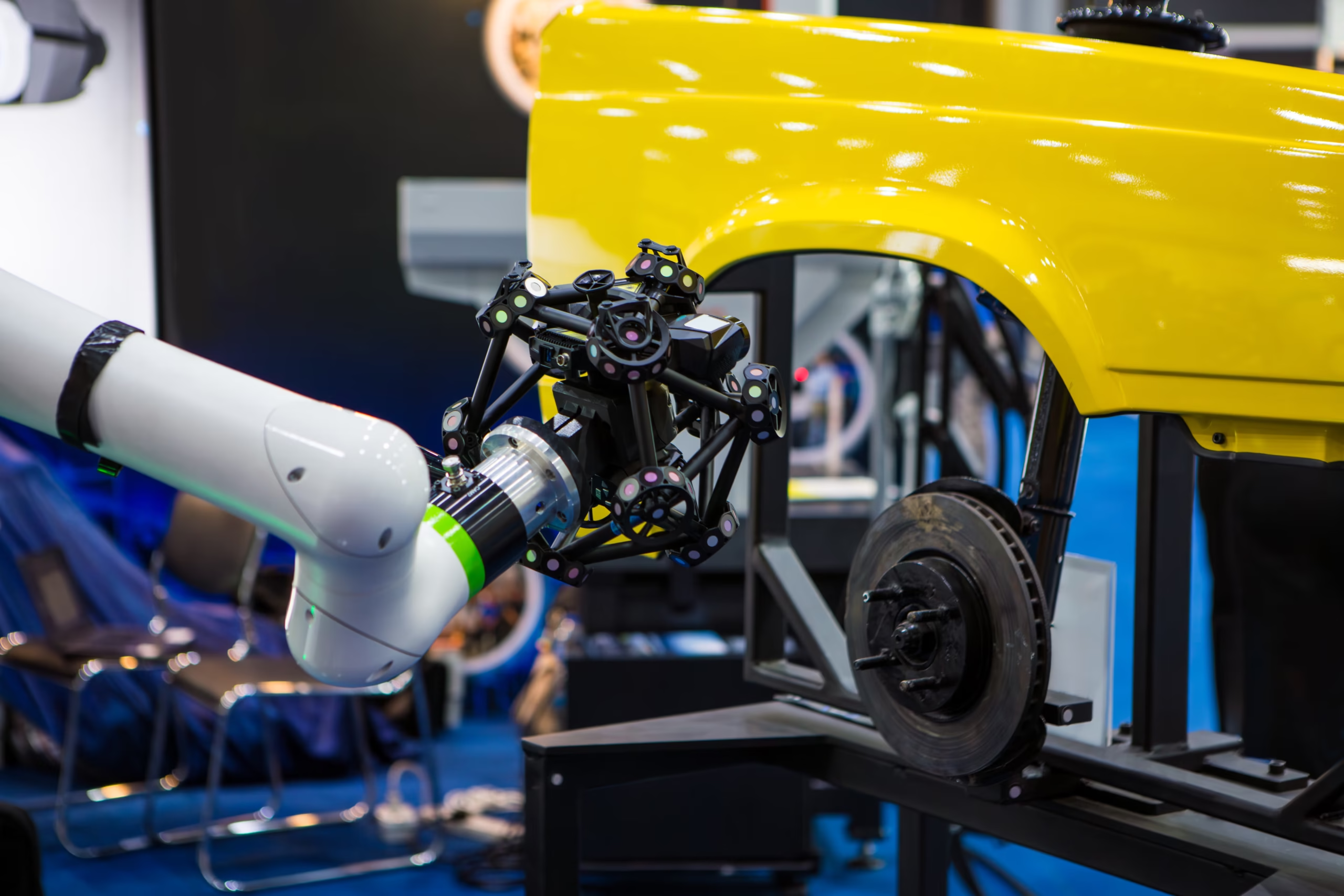
In the automotive manufacturing landscape, ensuring each part is flawless is essential—not only for safety and performance but also for brand reputation. Traditional manual inspections, though tried and tested, often fall short when dealing with high-volume production, tight tolerances, and increasingly complex geometries. The answer? Automotive parts inspection, powered by machine vision systems and intelligent defect detection, is now revolutionizing quality control.
Why Traditional Inspection Isn’t Enough
Modern automotive components—ranging from doors and bonnets to engine parts and sensors—pose multiple inspection challenges:
- Complex Geometries: Intricate curves, holes, and contours make full-surface evaluation tough with traditional methods.
- Varied Materials: Parts made from plastics, metals, or composites require flexible inspection strategies.
- High Production Speeds: Thousands of components roll off the line daily, demanding fast and reliable inspection systems.
- Tight Tolerances: Even a 0.2 mm defect—such as a hairline scratch or a slight miscut—can render a part unusable.
These limitations underscore why the shift toward automation in inspection is not only beneficial—it’s essential.
The Role of Machine Vision Systems in Automotive Inspection
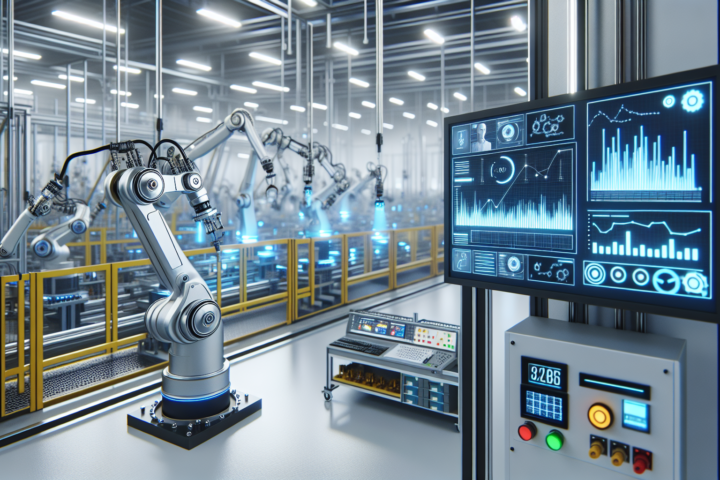
A machine vision system forms the foundation for automated inspection. Equipped with high-resolution cameras, precise lighting, and intelligent software—often including AI—it enables:
- Full-surface imaging of complex components (e.g., curved body parts)
- Non-contact dimensional measurement with sub-millimeter accuracy
- Real-time defect detection, including scratches, holes, misalignments, and surface anomalies
Intelgic’s custom solutions leverage this technology, integrating it seamlessly into production environments to deliver high-speed and scalable inspection workflows.
Key Components of an AI-Powered Inspection System
An effective system typically includes:
- Cameras & Lenses
- Area-scan for detailed shots; line-scan for continuous surfaces or moving parts
- Telecentric lenses prevent distortion across curved surfaces
- Lighting Setup
- Coaxial lighting highlights surface defects on metallic parts
- Backlighting helps detect internal holes or misalignments
- Dark-field or dome lighting catches micro scratches and blemishes
- AI/Software Logic
- AI models trained to identify scratches, dents, splits, holes, and micro-defects
- Sub-pixel measurement techniques for dimensional precision
- Integration with Production Systems
- Images and measurements logged with part IDs for traceability
- Real-time feedback may trigger rejections, alerts, or on signals
Works like a visual microscope with instant response—producing accurate quality control at line speed.
Real-World Impact: Large-Part Inspection Case Study
A global automaker manufacturing large metal components like doors and bonnets faced major QC inefficiencies:
Challenges:
- Manual inspections missed defects such as splits and hairline scratches (≥0.2 mm)
- Curved surfaces, large field-of-view needs, and poor lighting complicated detection
Solution Implementation:
- Intelgic deployed a multi-camera machine vision system with backlighting and AI-powered defect detection
Outcomes Achieved:
- Detectability of 0.2 mm defects improved dramatically
- Scrap rates dropped as defects were caught before painting
- Inspection accuracy increased, and data enabled root-cause analysis
This case highlights how vision systems elevate inspection from pass/fail checks to data-rich, fail-safe operations.
Applications Beyond Large Panels
The same technology underpins inspections of smaller or precision parts:
- EV Components Inspection: 3D machine vision solves contrast and geometrical challenges in live soundtrack systems and gel seals, ensuring accurate assembly and surface integrity
- Final Vehicle Scans: Systems like UVeye and Amazon’s automated garage scan entire vehicles in seconds—not only detecting damage but also minimizing errors and delays
These applications illustrate the versatility and scalability of AI-enhanced visual inspection.
The Future of Inspection: AI, Traceability, and Beyond
- Deep Learning Advancements: Real-time defect detection algorithms (e.g., YOLO) are pushing accuracy and speed to new levels
- Comprehensive Traceability: Inspection data—complete with timestamps—is logged for audits, recalls, and continuous improvement
- Scalable Architecture: Modular designs support new part lines and production variations with minimal reconfiguration
Together, these innovations are creating agile, self-improving inspection systems tailored for modern automotive manufacturing.
Automating Automotive Parts Inspection with machine vision systems and intelligent defect detection is not merely a step forward—it’s a leap into the future of manufacturing. By combining precise imaging, AI-driven analysis, and robust system integration, manufacturers can:
- Eliminate human variability
- Catch sub-millimeter defects
- Scale inspection across diverse parts and volumes
- Gain actionable data for quality improvement
As the automotive industry drives toward zero defects and zero delays, these systems are becoming indispensable allies in achieving excellence.
Keep an eye for more latest news & updates on Daily!