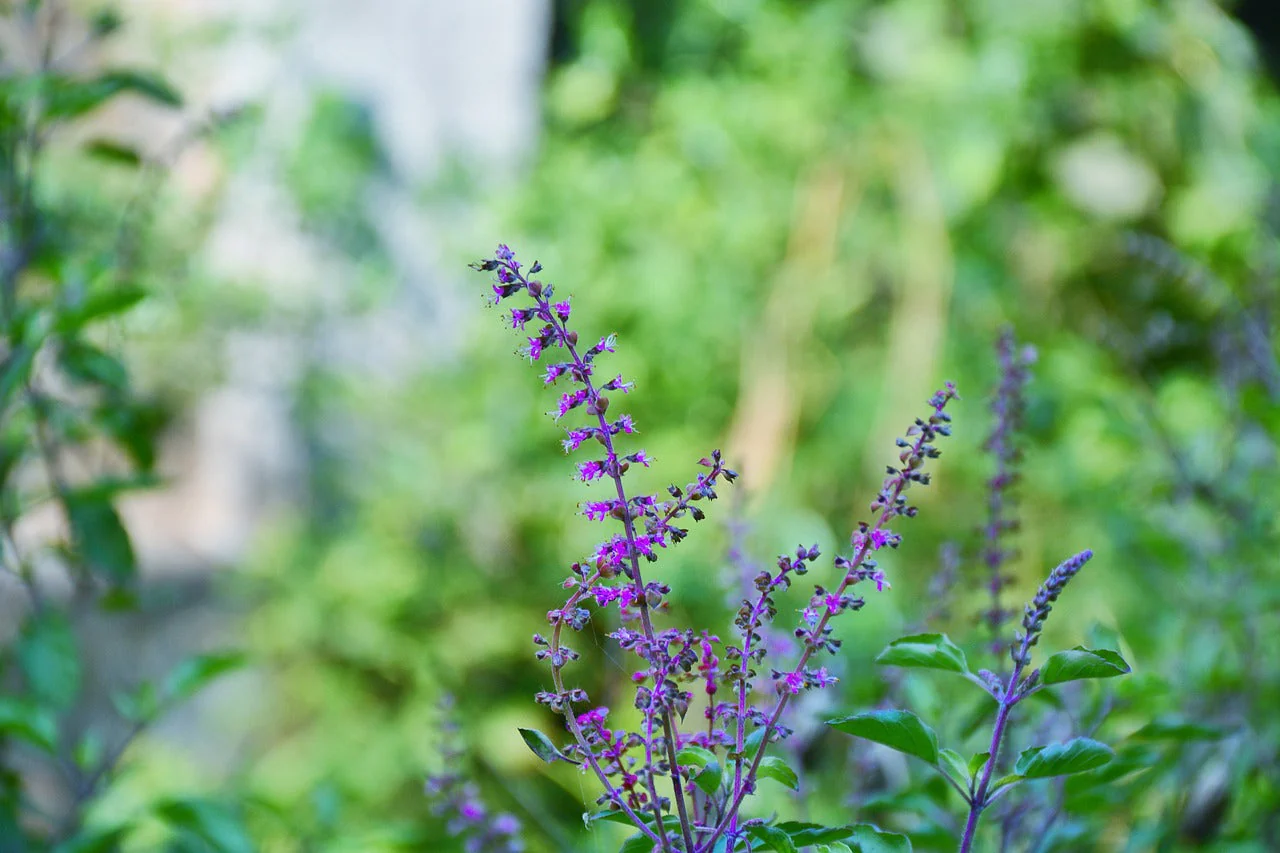
Foenegriek, better known to many as fenugreek, is a remarkable herb that has been valued for centuries across different cultures. Native to the Mediterranean region and parts of Asia, it belongs to the legume family and is treasured for its seeds and leaves. What makes foenegriek stand out is its ability to be both a flavorful spice in the kitchen and a valuable natural remedy in traditional medicine. Whether you know it from its distinctive aroma in certain dishes or its role in herbal wellness, foenegriek has an interesting story to tell.
A Brief Look at Foenegriek’s Origins
Foenegriek’s history stretches far back to ancient civilizations, where it was cultivated not only for culinary purposes but also for medicinal and agricultural uses. Egyptians reportedly used it in embalming processes, while ancient Greeks and Romans saw it as an essential part of their herbal medicine toolkit. In India, foenegriek became a staple spice in curries and flatbreads, as well as a trusted home remedy for a variety of ailments. Its ability to grow in a range of climates made it a crop of choice for farmers, ensuring its spread to many regions over the centuries.
What Makes Foenegriek Unique
The uniqueness of foenegriek lies in its dual nature. The seeds, small and golden-brown, are packed with a distinct bitter-sweet flavor, while the leaves offer a milder, fresh taste that enhances many dishes. This combination of taste and aroma makes it a favorite among chefs, but beyond the kitchen, its chemical composition is where the magic happens. Foenegriek contains saponins, alkaloids, and a high concentration of fiber, all of which contribute to its potential health benefits.
Culinary Uses of Foenegriek
If you enjoy aromatic and flavorful food, you have probably tasted foenegriek without realizing it. In Indian cuisine, the seeds are often roasted to bring out a nutty aroma before being added to spice blends like curry powder. In Middle Eastern and Mediterranean dishes, foenegriek is used to season bread and pickles. Even in modern kitchens, chefs are finding creative ways to incorporate foenegriek into soups, sauces, and marinades. The leaves, whether fresh or dried, can be added to vegetable dishes, enhancing both flavor and nutrition.
Foenegriek in Traditional Medicine
Foenegriek has long been valued as more than just a spice. In Ayurveda and traditional Chinese medicine, it has been used to support digestion, boost lactation in nursing mothers, and help maintain healthy blood sugar levels. Its high fiber content makes it a natural aid for digestion, while its plant compounds have been studied for their potential to reduce inflammation. While modern research continues to explore these benefits, the historical use of foenegriek speaks volumes about its importance in wellness practices.
Nutritional Powerhouse
For those seeking to add more nutrient-rich foods to their diet, foenegriek is a hidden gem. The seeds are an excellent source of iron, which supports healthy blood production, and they contain magnesium, manganese, and vitamin B6, all essential for bodily functions. The protein content in foenegriek seeds is also noteworthy, especially for a plant-based food, making it an appealing option for vegetarians and vegans.
Foenegriek for Modern Health Goals
In today’s wellness-focused culture, foenegriek has gained renewed attention for its potential role in weight management, metabolic health, and hair care. Some people incorporate foenegriek tea or supplements into their routines to help curb appetite, while others use foenegriek-infused oil for scalp nourishment. Its natural, plant-based profile appeals to those seeking alternatives to synthetic products, and it remains a versatile choice in both diet and personal care.
How to Use Foenegriek at Home
Incorporating foenegriek into your routine doesn’t require complicated recipes or expensive products. For cooking, a small pinch of seeds added to hot oil can transform the flavor of a dish. The dried leaves, known as kasuri methi in Indian cuisine, can be crushed and sprinkled over curries or baked goods for a subtle, earthy note. For wellness purposes, foenegriek tea made from soaked seeds is a simple way to enjoy its benefits. However, like with any herb, moderation is key, as its strong flavor and effects can be overpowering if overused.
Precautions and Considerations
While foenegriek is generally considered safe for most people, it’s important to be mindful of certain factors. Its strong effect on digestion means that consuming large amounts can lead to bloating or mild discomfort in some individuals. Pregnant women should consult their healthcare provider before using foenegriek supplements, as its properties may affect hormonal balance. Additionally, those on medication for blood sugar or blood clotting should check with a medical professional, since foenegriek can influence these conditions.
A Herb Worth Knowing
Foenegriek’s ability to bridge the gap between food and medicine is what makes it truly fascinating. From ancient remedies to modern health trends, its journey has been shaped by the cultures that embraced it. Whether you appreciate it for its role in enhancing a meal or for its potential to support wellness, foenegriek deserves its place in both the pantry and the herbal medicine cabinet.
If there’s one thing to take away, it’s that foenegriek isn’t just another spice on the shelf—it’s a plant with a story, a set of unique qualities, and a place in both tradition and modern living. Its enduring appeal lies in its versatility, nutritional value, and cultural significance, making it a timeless herb that continues to inspire curiosity and respect.