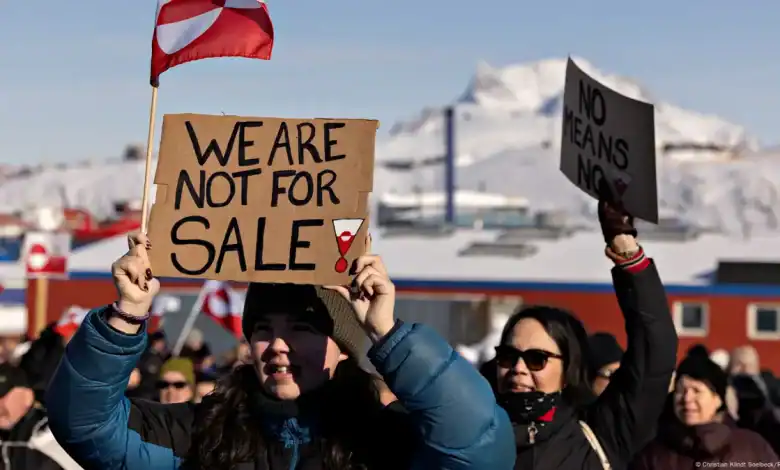
The UK government has stated unequivocally that Greenland’s political status is not open to negotiation, reinforcing its support for Denmark amid growing international tension over the Arctic territory.
The declaration follows intensified global debate over Greenland’s strategic role in defence, climate research and natural resource development. British officials said the territory’s future must be determined by established legal frameworks and the wishes of its people, not external pressure.
Speaking in London, a senior cabinet minister said the UK stood firmly behind Denmark’s sovereignty and warned against attempts to redraw geopolitical boundaries through economic or political coercion.
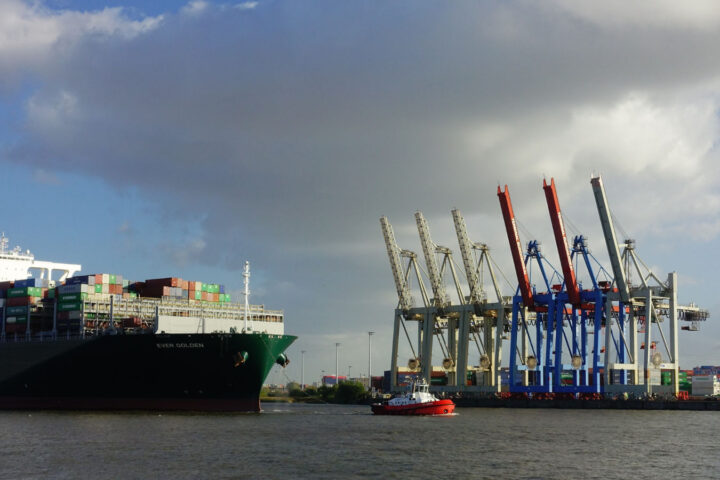
Greenland’s significance has increased as melting ice opens new shipping routes and access to rare earth minerals. These developments have attracted global attention, raising concerns about militarisation and competition in the Arctic region.
Defence experts note that the Arctic is becoming a focal point for strategic planning among major powers. Britain, while not an Arctic nation, plays a key role through NATO and longstanding security partnerships.
At the same time, environmental groups caution that heightened geopolitical interest risks overshadowing the urgent need for climate protection in one of the world’s most fragile ecosystems.
The UK’s position reflects a broader European effort to present a united front. Diplomats argue that clarity is essential to prevent miscalculation and to reassure smaller nations that international norms will be upheld.
Domestically, the government’s stance has drawn bipartisan support. Lawmakers across party lines said maintaining stability in the Arctic is critical to global security and economic predictability.
However, analysts warn that firm statements alone may not be enough to calm tensions. Sustained diplomatic engagement will be required to manage competing interests while avoiding confrontation.
For now, Britain’s message is clear: Greenland’s status is settled, and any challenge to that settlement risks undermining international cooperation at a critical moment.