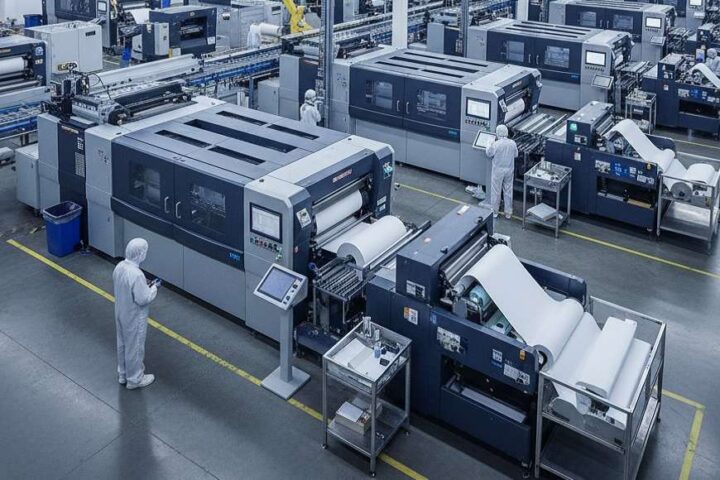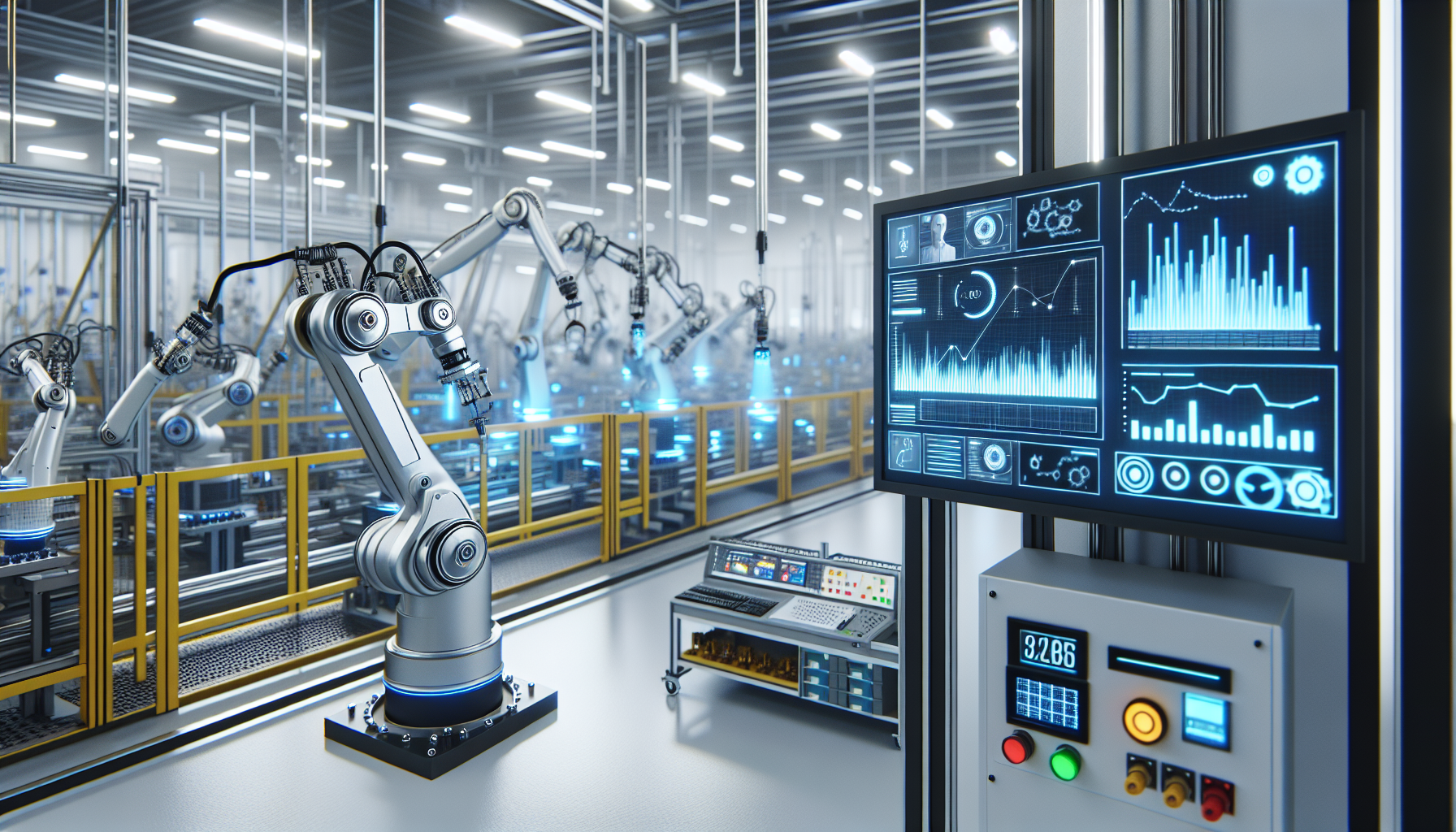
Automation products are revolutionizing the way production processes are optimized and managed in the manufacturing sector. These advanced technologies are improving efficiency, reducing costs, and enhancing product quality.
From robots and automated machines to intelligent sensors and data-driven solutions, automation products for manufacturing offer numerous benefits that are reshaping the industry. Let’s learn how automation products are transforming manufacturing, the advantages they bring, and how they are setting the stage for the future of industrial production.
7 Ways in Which Automation Products are Changing the Manufacturing Sector
The manufacturing sector is evolving with the integration of automation products. Here are the seven ways in which automation products are revolutionizing the manufacturing sector:
- Enhanced Efficiency and Productivity
The integration of automation products significantly improves efficiency by reducing reliance on manual labor, which often leads to delays and errors. Robots, conveyors, and automated machinery can operate continuously, ensuring higher output and lower labor costs.
This constant operation results in consistent production rates, eliminating delays caused by human factors like fatigue or distraction.
- Precision and Accuracy
Automation has transformed manufacturing by enabling tasks to be performed with high precision. Equipped with advanced sensors and AI-based systems, automation products ensure tasks are completed with millimeter accuracy.
These capabilities are crucial in industries like automotive, electronics, and aerospace, where minor deviations can lead to costly mistakes. Automation helps manufacturers meet stricter quality standards and reduce rework or waste.
- Cost Savings and Improved Profit Margins
One of the key reasons for adopting automation products is cost savings. Though the initial investment can be large, the long-term financial benefits are substantial.
Automated systems reduce manual labor costs and minimize errors, lowering the chances of product defects or recalls. By improving production speed and reducing downtime, they help maintain competitive pricing and boost profit margins.
- Flexibility and Scalability
Modern automation products provide manufacturers with the flexibility to adapt to changing market demands. Robots can be reprogrammed for multiple tasks, and systems can easily accommodate new products or variations.
This adaptability is essential for industries needing quick responses to customer needs or market changes. Additionally, they are scalable, allowing businesses to expand their operations without significant retooling.
- Workforce Safety and Ergonomics
They improve workforce safety by reducing human involvement in high-risk tasks. Automation helps eliminate physically demanding jobs, such as lifting heavy items or operating dangerous machinery. This leads to improved worker safety, reduced fatigue, and enhanced productivity.
- Real-time Data and Predictive Maintenance
Automation products provide real-time data on machine performance, production speed, and product quality. This data helps manufacturers identify bottlenecks and optimize workflows.
Predictive maintenance features in these products alert operators about any potential issues before they cause downtime or equipment failure, reducing maintenance costs.
- Sustainable Manufacturing Practices
Sustainability is now a growing focus in manufacturing, and these products help achieve greener practices. Automated systems are more energy-efficient, reducing unnecessary power consumption.
Furthermore, the precision of automation minimizes material waste, contributing to more sustainable manufacturing. Some products also integrate with renewable energy sources, optimizing energy usage.
Embrace Automation Products to Stay Competitive in Manufacturing
The adoption of automation products is essential for manufacturers looking to stay competitive, as they improve efficiency, precision, and safety. By embracing automation, companies can streamline operations, reduce costs, and increase productivity. However, to maximize these benefits, partnering with a reputable electrical brand is key.
A trusted brand ensures high-quality, reliable automation solutions tailored to your needs, providing expert support and long-term success. As technology evolves, the role of automation products in manufacturing will continue to grow, offering more opportunities for innovation and advancement. Partnering with a reputable brand will help you stay ahead and optimize your operations.