When we think of cheese, our minds often wander to the rolling hills of Italy, where centuries of tradition have given birth to some of the world’s most beloved varieties. Parmesan, mozzarella, gorgonzola—each name carries a legacy of craft and flavor. But every so often, a new star rises in the world of dairy creations, combining old techniques with a modern twist. That’s exactly what masgonzola represents.
Masgonzola is not just another cheese; it’s a hybrid innovation that bridges Italian cheese-making traditions with contemporary creativity. Sometimes described as a cousin to gorgonzola but with smoother, milder notes, masgonzola offers cheese lovers a unique taste experience. In this article, we’ll explore its origins, flavors, culinary uses, and the reasons why it’s becoming a favorite among food enthusiasts worldwide.
The Story Behind Masgonzola
Every cheese has a story, and masgonzola is no exception. Its roots are tied to Italian cheese-making traditions, especially those of gorgonzola, a blue-veined cheese famous for its sharp, tangy flavor. But unlike its predecessor, masgonzola was crafted with the idea of creating a more balanced flavor profile—something that appealed to both adventurous eaters and those who might shy away from stronger cheeses.
The name itself hints at its heritage: “Mas” suggests richness or creaminess, while “gonzola” ties it back to the family of gorgonzola-style cheeses. Over time, artisanal cheese-makers began experimenting with different cultures, aging methods, and milk blends until they struck the perfect balance—creating masgonzola, a cheese that carries the heart of tradition with a modern identity.
What Makes Masgonzola Unique?
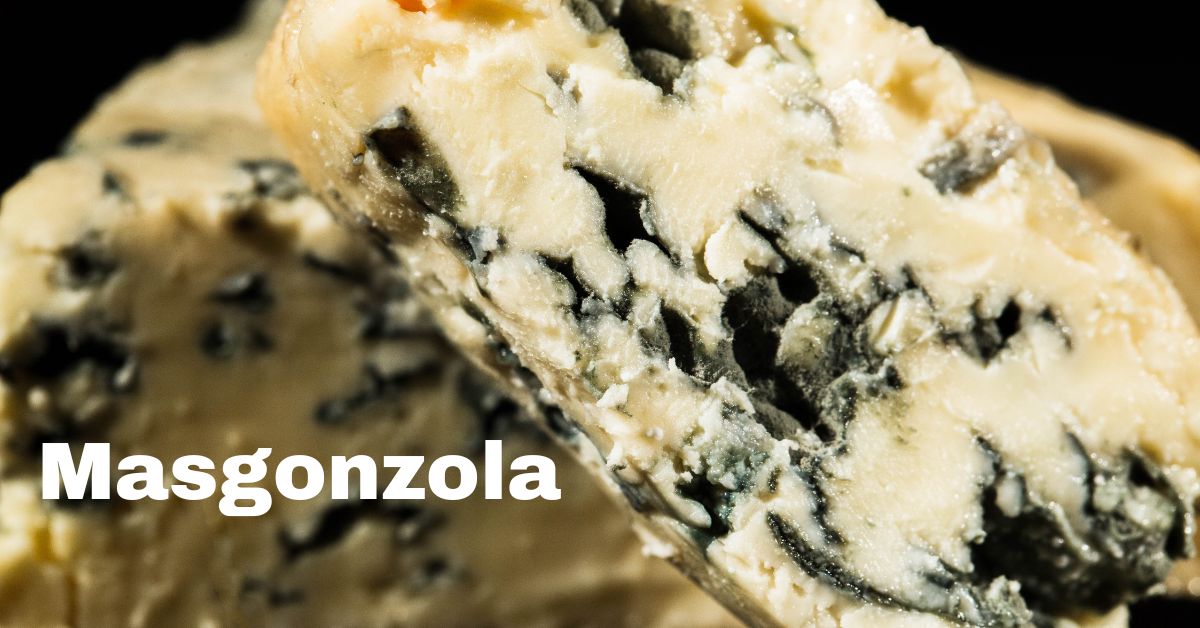
At first glance, masgonzola might remind you of gorgonzola, with its creamy texture and gentle veining. But one bite is enough to realize that this cheese plays by its own rules.
- Texture: Masgonzola is notably smoother and creamier than traditional gorgonzola. It melts easily on the tongue and spreads beautifully, making it a versatile ingredient.
- Flavor Profile: It offers a balanced mix of mild tanginess, subtle sweetness, and creamy richness, unlike the sharp bite of stronger blue cheeses.
- Aging Process: While gorgonzola is often aged for months to intensify its flavors, masgonzola is aged with precision to keep the flavors delicate yet complex.
- Accessibility: It’s approachable for those who may find blue cheeses intimidating, yet complex enough to satisfy cheese connoisseurs.
This unique combination makes masgonzola not only a stand-alone delight but also a versatile ingredient for modern kitchens.
Masgonzola in the Kitchen
Cheese isn’t just for snacking—it’s an essential ingredient that elevates meals. Masgonzola fits beautifully into this role. Because of its creamy consistency and balanced flavor, it adapts to both simple and sophisticated dishes.
Perfect Pairings
Cheese lovers know that the right pairing can unlock hidden layers of flavor. With masgonzola, you’ll find that its mild tanginess works well with a variety of partners:
- Fruits: Pears, figs, apples, and grapes highlight its creamy sweetness.
- Nuts: Walnuts, almonds, and hazelnuts provide a satisfying crunch.
- Honey & Jams: Drizzle a little honey or spread a fig jam over it, and you’ll taste heaven in one bite.
- Bread & Crackers: Its spreadable texture makes it ideal for crostini or rustic loaves.
Cooking with Masgonzola
Masgonzola doesn’t just sit prettily on a cheese board—it thrives in the kitchen. Here are some ways chefs and home cooks alike are using it:
- Pasta: Stir it into hot pasta for a quick creamy sauce that rivals traditional Alfredo.
- Pizza: Use it as a topping alongside caramelized onions and prosciutto for gourmet flair.
- Salads: Crumble it over leafy greens with roasted nuts and vinaigrette.
- Sauces: Blend it into cream sauces for meats or vegetables to add subtle depth.
- Risotto: Masgonzola melts smoothly into risotto, creating a rich, velvety finish.
What makes it exciting is that it adds complexity without overpowering other ingredients, making it perfect for creative experimentation.
Nutritional Aspects of Masgonzola
Beyond taste, cheese is often admired (and sometimes debated) for its nutritional qualities. Masgonzola, like many cheeses, offers both indulgence and benefits when consumed in moderation.
- Protein-Rich: A good source of protein, supporting muscle health.
- Calcium: Packed with calcium, strengthening bones and teeth.
- Probiotics: Depending on its culture, it may contain beneficial bacteria that aid digestion.
- Balanced Fats: Provides healthy fats that help in satiety and energy.
However, like other cheeses, it should be enjoyed in mindful portions due to its richness in calories and fats. The key is balance—savoring it as part of a well-rounded diet.
Masgonzola vs. Gorgonzola
Since masgonzola shares roots with gorgonzola, comparisons are inevitable. While they belong to the same family, they cater to different palates.
- Flavor: Gorgonzola tends to be sharper and more pungent, while masgonzola is milder and creamier.
- Texture: Gorgonzola can be crumbly, but masgonzola leans smooth and spreadable.
- Versatility: Masgonzola works well for people new to blue cheeses, while gorgonzola is often for the seasoned cheese enthusiast.
- Culinary Use: Masgonzola is more adaptable for lighter dishes, while gorgonzola shines in bold, savory recipes.
Think of masgonzola as the gentle cousin of gorgonzola—less intimidating, but equally delightful.
The Growing Popularity of Masgonzola
In recent years, masgonzola has begun capturing attention not only in Italy but also internationally. Foodies love it for its approachable nature, while chefs embrace it for its versatility. It often appears on cheese boards, farm-to-table menus, and gourmet restaurants, where creativity thrives.
Part of its popularity comes from the fact that it fits today’s culinary trends: people want food that’s flavorful yet balanced, traditional yet modern. Masgonzola checks all those boxes. It’s also an excellent “bridge cheese” for introducing blue cheese skeptics to the world of complex flavors without overwhelming their taste buds.
How to Serve Masgonzola at Home
If you’re planning a gathering or simply want to elevate your meals, masgonzola can be your secret weapon. Here are a few serving ideas:
- Cheese Board Star: Place it alongside fresh fruits, nuts, and honey for an elegant appetizer.
- Wine Pairing: Serve it with white wines like Chardonnay or red wines like Barolo for a balanced pairing.
- Casual Treat: Spread it over toasted baguette slices for a quick indulgence.
- Cooking Ingredient: Add it to sauces, risottos, or pizzas for gourmet flair without extra effort.
The beauty of masgonzola is that it’s both versatile and forgiving—you don’t need to be a professional chef to make it shine.
Final Thoughts: Why Masgonzola Deserves Attention
In the vast world of cheeses, few varieties strike the perfect balance between tradition and innovation. Masgonzola does exactly that. It takes the bold legacy of Italian cheese-making, softens it with modern creativity, and delivers a product that’s approachable yet sophisticated.
Whether you’re a long-time cheese enthusiast or someone just beginning to explore beyond cheddar and mozzarella, masgonzola offers an inviting path. It’s versatile in the kitchen, delightful on its own, and a perfect conversation starter at any table.
As food culture continues to evolve, one thing remains clear: masgonzola isn’t just a passing trend—it’s a delicious new chapter in the story of cheese.