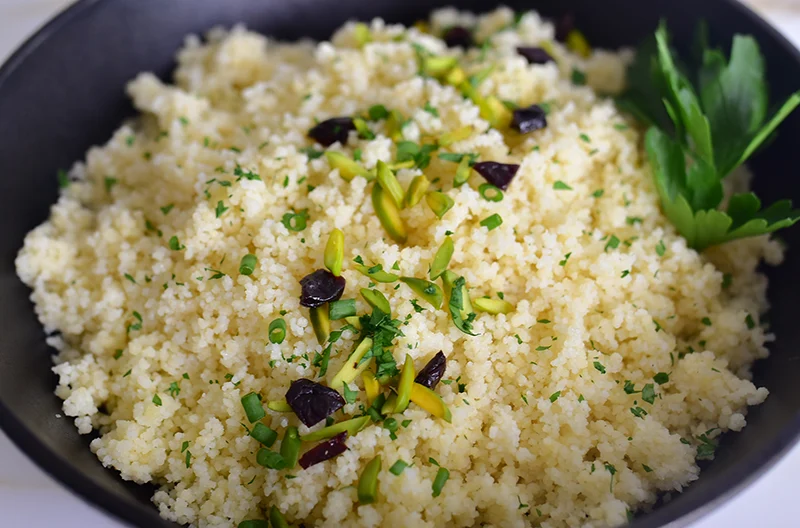
Kouskousi is a beloved North African grain dish that has been part of family kitchens, community gatherings, and festive celebrations for centuries. Though many people confuse it with couscous, Kouskousi carries its own identity, flavor, and cultural depth. Rooted in the culinary traditions of countries like Tunisia, Algeria, Morocco, and Libya, Kouskousi represents more than just food. It reflects history, heritage, and the warmth of shared meals. Made from semolina wheat and prepared through careful steaming, Kouskousi holds a special place in North African homes, where recipes are passed down from generation to generation.
The Origins of Kouskousi
To understand Kouskousi, we have to look at North Africa’s rich history. For centuries, the region has been a meeting point of cultures, including Berber, Arab, Mediterranean, and African influences. Wheat farming has long been a major part of life there, and semolina became a staple ingredient. From this simple base, dishes like Kouskousi were born.
The word Kouskousi is believed to come from the same linguistic roots as couscous, but in many regions, the pronunciation and preparation styles differ. In some areas, Kouskousi refers specifically to the traditional, hand-rolled grain before it becomes the finished dish. In others, it describes the complete meal, often served with vegetables, meat, or seafood.
Historically, Kouskousi was prepared during important family events such as weddings, religious holidays, and Friday gatherings. It symbolized abundance and hospitality. Serving Kouskousi to guests was a sign of respect and generosity.
What Makes Kouskousi Different from Couscous
At first glance, Kouskousi may look identical to couscous. Both are small, steamed granules made from semolina. However, there are subtle but meaningful differences.
Traditional Kouskousi is often handmade. The process involves sprinkling water over semolina flour and rolling it gently by hand to form tiny grains. This method requires patience and skill. The grains are then sieved to achieve uniform size before steaming.
In contrast, modern couscous found in supermarkets is typically machine-made and pre-steamed. It cooks quickly with just hot water, while authentic Kouskousi requires steaming in a special pot called a couscoussier.
Another difference lies in the way it is served. Kouskousi dishes often have a deeper, more robust flavor because of slow cooking and the use of rich broths, spices, and fresh ingredients. The grain absorbs the flavors gradually, creating a more layered taste.
The Traditional Preparation Process
Making Kouskousi the traditional way is almost a ritual. It begins with coarse semolina placed in a large shallow bowl. Water is added little by little while the cook rolls the semolina with their palms in circular motions. This forms small granules. The grains are then dusted with dry semolina to prevent sticking and passed through a sieve.
Once formed, the Kouskousi is steamed rather than boiled. The steaming process is done in stages. First, the grains are placed in the top part of a couscoussier while a flavorful stew simmers below. Steam rises through small holes, gently cooking the grain.
After the first steaming, the Kouskousi is removed, fluffed, and sometimes lightly salted or sprinkled with water. It is then returned for a second or even third steaming. This repeated process ensures the grains remain light, separate, and perfectly cooked.
This slow method is what gives Kouskousi its distinct texture. It is neither mushy nor dry but soft and airy.
Regional Variations of Kouskousi
North Africa is diverse, and so is Kouskousi. Each country and even each family may prepare it differently.
In Tunisia, Kouskousi often includes spicy harissa, chickpeas, carrots, potatoes, zucchini, and either lamb, chicken, or fish. Coastal regions prefer seafood versions, while inland areas lean toward red meat.
In Morocco, the dish may be slightly sweeter, sometimes incorporating caramelized onions and raisins. Algerian versions might feature turnips and pumpkin, adding a natural sweetness to the stew.
Libyan Kouskousi can be more minimalistic but rich in flavor, focusing on high-quality meat and fragrant spices.
These regional touches make Kouskousi a flexible dish that adapts to local ingredients and tastes.
The Cultural Importance of Kouskousi
Kouskousi is not just food. It is an experience. In many North African households, families gather around a large communal plate placed in the center of the table. Everyone eats together, often using bread or spoons.
Friday is traditionally a special day for Kouskousi in many Muslim families. After weekly prayers, relatives gather for lunch. The dish represents unity and blessing.
During weddings, Kouskousi may be prepared in large quantities to feed hundreds of guests. It is seen as a symbol of prosperity and joy.
In rural communities, preparing Kouskousi can be a group activity. Women gather to roll and steam the grain, sharing stories and laughter. This social aspect strengthens bonds within the community.
Nutritional Value of Kouskousi
Kouskousi is made primarily from semolina, which comes from durum wheat. It is a good source of carbohydrates, providing energy for daily activities. It also contains some protein and small amounts of vitamins and minerals.
When combined with vegetables, legumes like chickpeas, and lean meats, Kouskousi becomes a balanced meal. The vegetables provide fiber, vitamins, and antioxidants. Chickpeas add plant-based protein and iron.
Compared to heavy fried dishes, steamed Kouskousi is relatively light. The cooking method avoids excess oil, making it suitable for those who prefer healthier options.
However, because it is wheat-based, it is not gluten-free. People with gluten intolerance or celiac disease should avoid traditional Kouskousi unless made from alternative grains.
Modern Twists on Kouskousi
While traditional recipes remain popular, modern kitchens have begun experimenting with Kouskousi.
Some chefs use whole wheat semolina for added fiber. Others incorporate roasted vegetables instead of stewed ones. In urban restaurants, you might find Kouskousi served in layered bowls with grilled chicken, fresh herbs, and yogurt-based sauces.
Vegetarian and vegan versions are also common. By replacing meat with lentils or additional vegetables, the dish maintains its hearty texture without animal products.
In Western countries, Kouskousi-inspired salads have gained popularity. Cold Kouskousi mixed with olive oil, lemon juice, tomatoes, cucumbers, and parsley creates a refreshing side dish.
These adaptations show how Kouskousi continues to evolve while keeping its roots intact.
How to Cook Kouskousi at Home
If you want to try making Kouskousi at home, start simple.
Ingredients often include semolina, olive oil, salt, onions, tomatoes, carrots, zucchini, chickpeas, and your choice of protein. Common spices are turmeric, cumin, coriander, and black pepper.
Begin by preparing the stew in a large pot. Sauté onions in olive oil, add spices, then include meat and vegetables. Cover with water and let it simmer.
Meanwhile, prepare the semolina by moistening and rolling it gently. If using store-bought grains, lightly sprinkle with water and fluff with your fingers before steaming.
Place the Kouskousi in a steamer over the simmering stew. Steam for about 20 minutes, remove, fluff, and repeat. Once fully cooked, spread the grains on a large serving dish and top with the stew and vegetables.
Though it may take time, the result is worth the effort.
Why Kouskousi Deserves Global Recognition
In recent years, global interest in traditional foods has increased. Kouskousi stands out because it combines simplicity with depth.
It is affordable, adaptable, and suitable for large gatherings. It carries history and meaning in every bite. As more people seek authentic culinary experiences, Kouskousi has the potential to gain wider recognition beyond North Africa.
UNESCO has already recognized couscous as part of the intangible cultural heritage of humanity, highlighting its importance. Kouskousi shares this heritage and deserves appreciation in its own right.
The Emotional Connection to Kouskousi
Ask someone from North Africa about Kouskousi, and you will likely hear stories. They may remember their grandmother carefully rolling the grains or the aroma filling the house on Friday afternoons.
Food often connects us to childhood, family, and identity. Kouskousi is one of those dishes that carries emotional weight. It represents comfort and belonging.
Even for those living abroad, preparing Kouskousi can feel like bringing a piece of home into a new place. The familiar taste bridges distances.
Final Thoughts on Kouskousi
Kouskousi is more than a grain. It is a symbol of tradition, patience, and community. Though it is sometimes mistaken for couscous, it holds its own distinct character shaped by history and culture.
From its careful hand-rolling process to its rich, slow-cooked stews, Kouskousi tells a story of resilience and hospitality. It adapts to modern kitchens while staying true to its roots.
Whether enjoyed at a festive gathering in Tunisia or prepared in a small apartment far from North Africa, Kouskousi continues to bring people together. Its simplicity hides a deep cultural legacy, making it one of the most meaningful dishes in North African cuisine.
In a world that moves quickly, Kouskousi reminds us to slow down, gather around the table, and share a meal that carries generations of tradition.