Don’t Wait to Declutter
Moving is a fantastic opportunity to start fresh, but it’s easy to get caught up in the chaos and just pack everything. This often means hauling unnecessary items to your new home, which costs time and money. It’s best to tackle decluttering well before moving day. Start small, perhaps by going through one drawer or closet each day. This gradual approach makes the task less overwhelming and helps you avoid the last-minute rush.
Identify Unnecessary Items
As you go through your belongings, be honest about what you truly need. If you haven’t used an item in years, or if it’s easily replaceable, it might be time to let it go. Think about old paperwork, clothes you no longer wear, or duplicate kitchen gadgets. The less you have to pack, the easier and cheaper your move will be. Consider selling or donating these items to give them a new life and potentially offset some moving costs.
Involve Everyone in Decluttering
Moving is a team effort, and decluttering should be too. Get everyone in your household involved in the process. Discuss what items are no longer needed or used by each person. This not only lightens the load for everyone but also helps family members make decisions about their own belongings. Making decluttering a shared activity can make the task more enjoyable and efficient, ensuring that the entire household is ready for a fresh start in the new home.
Packing Materials and Strategy
Stock Up on Quality Packing Supplies
Moving day can arrive faster than you think. To avoid a last-minute scramble, it’s smart to gather your packing supplies early. Think beyond just cardboard boxes; consider sturdy tape, bubble wrap for fragile items, and maybe even specialized wardrobe boxes. Having good quality packing materials on hand makes a big difference in protecting your belongings. It’s better to have a few extra rolls of tape than to run out when you’re taping up the last box.
Don’t underestimate the importance of quality packing supplies. Cheap tape can split, and flimsy boxes can buckle under pressure. Investing a little more upfront can save you from damaged goods later. You might even have some items that can double as packing material, like towels or blankets for cushioning.
Utilize Suitcases and Duffel Bags
Before you buy a mountain of boxes, take a look at what you already own. Suitcases, duffel bags, and even sturdy plastic bins can be excellent for packing. They’re often more durable than cardboard boxes and can be easier to transport, especially for items like clothing or linens. This is a great way to pack items that don’t necessarily need a box.
Think about using your luggage for things like toiletries, shoes, or even books. These items are often heavy, and suitcases are built to handle weight. Plus, when you arrive at your new place, your clothes are already in a bag, ready to be unpacked. It’s a simple trick that saves time and box space.
Pack Room by Room
Trying to pack everything at once can feel overwhelming. A more organized approach is to tackle one room at a time. Start with rooms that have items you use less frequently, like guest rooms classroom or storage areas. This way, you can gradually clear out your home without disrupting your daily routine too much. Packing room by room also helps with organization later on.
Once you’ve finished a room, seal and label the boxes immediately. This prevents items from getting mixed up and makes unpacking much simpler. You’ll know exactly which boxes belong to which room in your new home. This strategy makes the entire packing process feel more manageable.
Label Boxes Clearly
This step is often overlooked, but clear labeling is a lifesaver when you’re unpacking. Don’t just write “Kitchen” on a box. Be more specific: “Kitchen – Pots & Pans” or “Living Room – Books.” This helps you know what’s inside without having to open every single box. Accurate labeling saves a lot of time and frustration.
Consider adding a second layer of labeling, perhaps with a colored marker, to indicate which boxes are fragile or contain items that need to be unpacked first. This simple act of clear labeling is a small effort that pays off big time when you’re settling into your new space. It’s a key part of a good packing strategy.
Hiring Professional Home Movers
Book Movers in Advance
Don’t wait until the last minute to secure your moving company. Booking professional home movers well ahead of your moving date is super important, especially if you’re moving during peak season. This gives you a better shot at getting the exact date and time you want. Even during slower times, booking early means more options and often better prices. It’s a smart move to get this sorted out sooner rather than later.
Understand Mover Services
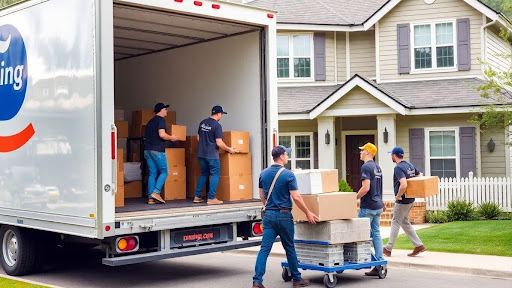
Professional home movers offer a range of services beyond just hauling boxes. They can help with packing, unpacking, furniture disassembly and reassembly, and even storage. It’s a good idea to know exactly what services are included in the quote you receive. Ask questions about their process, what they cover, and any extra fees that might pop up. Understanding these details upfront can prevent surprises on moving day.
Consider Moving Insurance
While professional home movers are trained to handle belongings with care, accidents can still happen. It’s wise to look into moving insurance. This can provide financial protection if any of your items get damaged during the move. Different companies offer various levels of coverage, so compare your options to find what best suits your needs and the value of your possessions. It’s a small investment for peace of mind.
Protecting Your Belongings

Use Adequate Packing Materials
When it comes to moving, the quality of your packing supplies can make or break the safety of your items. Don’t skimp here; using flimsy boxes or insufficient padding is a recipe for disaster. Think about it: a few extra dollars spent on good tape and sturdy boxes can save you the heartache of broken heirlooms. It’s really about protecting your belongings from the bumps and jostles of transit.
Investing in quality packing materials is key to a successful move. This means sturdy boxes, plenty of bubble wrap, packing paper, and strong packing tape. Double-taping the bottom of boxes, especially for heavier items, adds an extra layer of security. This simple step prevents box bottoms from giving way, which is a common and frustrating moving mistake.
Consider the weight distribution too. While you want to protect your belongings, overpacking boxes can lead to them breaking or becoming too heavy to lift safely. Distribute weight evenly and use smaller boxes for heavier items like books or tools. This makes them easier to manage and reduces the risk of damage during the move.
Protect Fragile Items
Unpacking to find shattered glassware or a cracked picture frame is a downer. Fragile items need special attention. It’s not just about being careful during the move; it’s about how well you pack them beforehand. Proper protection is what keeps your delicate possessions safe.
Here’s a quick guide to protecting your fragile items:
- Wrap individually: Use bubble wrap or packing paper for each fragile item. Don’t let them touch each other inside the box.
- Cushion the box: Line the bottom and sides of the box with crumpled paper or bubble wrap. Fill any empty spaces at the top before sealing.
- Mark clearly: Label boxes containing fragile items prominently on all sides. Use “Fragile” or “Handle with Care” stickers.
- Avoid stacking: Never place heavy items on top of boxes marked as fragile. Keep these boxes on top or in a separate, secure area.
Remember, the goal is to create a buffer zone around each delicate object. This buffer absorbs shock and prevents items from shifting. It’s a small effort that pays off big time when you’re unpacking.
The difference between arriving with Grandma’s favorite china intact or a box full of porcelain dust often comes down to how well you protected those fragile pieces before they even left the house.
Avoid Overpacking Boxes
It might seem efficient to stuff boxes to the brim, but this is a mistake that can cause more problems than it solves. Overpacked boxes are difficult to lift, can break open during transit, and put unnecessary strain on both you and your movers. It’s better to use more boxes than to risk damaging your items or causing an injury.
When packing, aim for boxes that are full but not bursting. Distribute the weight evenly. For heavy items like books or tools, opt for smaller, sturdier boxes. This makes them manageable and less likely to break. If a box feels too heavy to lift comfortably, it probably is. Repack it into smaller containers.
Think about the journey your boxes will take. They’ll be lifted, carried, and stacked. A box that’s packed too full or too heavy is more likely to fail under this stress. Prioritize safety and the integrity of your belongings over trying to save a few boxes. Protecting your belongings means packing them smart, not just packing them in.
Logistics and Administrative Tasks
Moving involves more than just packing boxes. There are several behind-the-scenes tasks that, if overlooked, can cause significant headaches. Getting these administrative details sorted early makes the entire process smoother.
Update Your Address
This might seem obvious, but it’s a common oversight. You’ll want to make sure your mail and important packages find their way to your new home. Setting up a change of address with the postal service well in advance is key. This ensures that bills, important documents, and any other correspondence arrive at your new location without delay. Don’t wait until the last minute; start this process a few weeks before your move.
Arrange Parking Permits
If you’re moving in a city or an area with parking restrictions, securing parking permits is a must. You’ll likely need permits for both your old and new addresses to accommodate the moving truck. The process for obtaining these can sometimes take longer than expected, so it’s wise to start early. Avoid the stress of circling the block on moving day by having your parking situation sorted out beforehand.
Pack a Move-In Essentials Box
This is a lifesaver. Pack a separate box or bag with items you’ll need immediately upon arrival at your new home. Think toiletries, a change of clothes, basic tools, phone chargers, medications, and important documents. Keep this box with you, perhaps in your car, so you don’t have to dig through countless other boxes to find what you need first. This box is for your immediate needs, not for general unpacking.
Furniture and Space Planning
Measure Doorways and Furniture
Before you even think about where that sofa will go, grab a tape measure. It sounds simple, but people often forget this step. You need to know the dimensions of your new rooms, but just as importantly, you need to know the dimensions of your furniture. Measure doorways, stairwells, and tight corners. This will save you a lot of headaches later on. Don’t assume that a piece of furniture that fit in your old place will magically fit through the door of your new one. Planning ahead with measurements is key to successful furniture placement.
Don’t Assume Furniture Will Fit
It’s easy to get excited about moving your favorite pieces into a new home. However, just because a dresser or a bookshelf fit in your old apartment doesn’t mean it will fit in your new house. Layouts differ, and room sizes can vary wildly. You might be moving from a smaller space to a larger one, or vice versa. Trying to force furniture that’s too big into a small room just won’t work. It makes the space feel cramped and awkward. Always consider the scale of your furniture in relation to the new space. Furniture planning involves realistic expectations.
Avoid Rushing Furniture Purchases
Moving into a new home often comes with the urge to fill it up quickly. You might see a sale and think, “Great deal!” But resist the urge to buy furniture just because it’s discounted. It’s better to wait and find pieces that truly fit your needs and style. Buying impulsively can lead to regret and wasted money. Take your time to define your style and find items that you love and that work with the space. Good design takes time, and rushing furniture purchases can lead to a home that doesn’t feel like you. Remember, furniture planning is about creating a home, not just filling a space.
Final Preparations for Moving Day
Do Not Underestimate Moving Time
Moving day can feel like a whirlwind. People often underestimate the time it actually takes to pack the last few items, load the truck, and get everything to the new place. Rushing can lead to forgotten items or damage. It’s better to overestimate how long things will take.
Give yourself plenty of buffer time for each step. This includes the final sweep of the old home and the initial setup in the new one. Don’t schedule movers for the absolute last minute of your lease. A little extra time prevents a lot of stress.
Perform a Final Walkthrough
Before the moving truck pulls away, or before you hand over the keys to your old place, do a thorough walkthrough. Check every closet, cabinet, and room. Make sure nothing has been left behind.
This final check is important for both your old and new homes. In the old place, it ensures you haven’t forgotten personal items. In the new home, it’s a chance to spot any issues before you’re fully moved in. This walkthrough is a key part of the moving process.
Clean Your New Home Before Moving In
Arriving at your new home to find it sparkling clean makes a huge difference. It’s much easier to clean an empty space than one filled with boxes. This step sets a positive tone for your move.
Consider hiring professional cleaners or dedicating a day to cleaning yourself before the bulk of your belongings arrive. Focus on bathrooms, kitchens, and floors. A clean start makes settling in much more pleasant. This preparation is a smart move.
Wrapping Up Your Move
Moving into a new home is a big deal, and while it’s easy to get caught up in the excitement, remembering these common pitfalls can make a real difference. By taking the time to plan ahead, declutter, pack smart, and handle the little details like address changes, you can avoid a lot of unnecessary stress and hassle. Think of this as your chance to start fresh in your new space, not just move your old stuff. A little preparation goes a long way in making your move smoother and your arrival in your new home a lot more enjoyable.