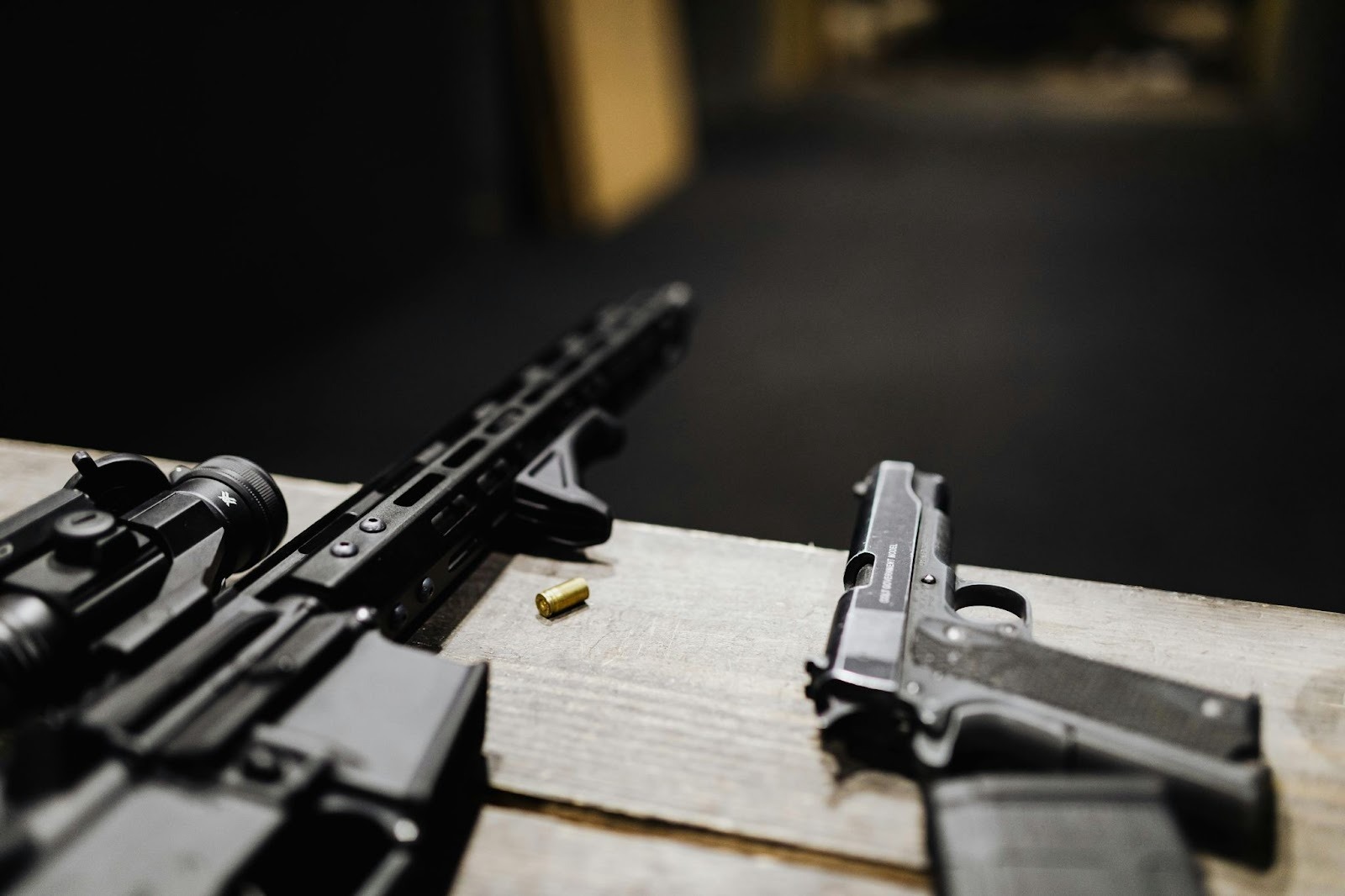
Rifle owners occasionally encounter a frustrating predicament: a critical component fails, yet replacement parts have vanished from conventional suppliers. Whether dealing with discontinued models, obsolete military surplus firearms, or specialty variants with limited production runs, the challenge remains consistent. Standard retail channels offer no solutions, and makeshift repairs prove inadequate for safe operation. At this juncture, owners must evaluate unfamiliar territory, determining whether custom fabrication represents a viable path forward or an impractical expense that exceeds the firearm’s worth.
Why Certain Rifle Parts Become Difficult to Source Over Time
As rifles age and manufacturers shift production priorities, certain components gradually disappear from the market. Discontinued models create immediate sourcing challenges when owners need replacement parts. Manufacturing tooling wears out or becomes obsolete, making reproduction costly for limited demand items. Companies consolidate product lines to focus on current bestsellers, abandoning legacy support.
Military surplus rifles face unique difficulties as foreign arsenals cease operations or shift to modern platforms. Original specifications often relied on now-defunct metallurgical processes or dimensional standards. Small parts like extractors, firing pins, and springs become scarce first due to wear patterns and minimal profit margins for retailers. Proprietary designs lacking interchangeability compound these issues. When patent protections expire without aftermarket interest, components become effectively unobtainable through conventional channels, necessitating alternative solutions.
These factors collectively explain why collectors and gunsmiths increasingly encounter hard-to-find rifle parts when maintaining older or specialized firearms. Owners may need to rely on secondary markets, custom fabrication, or specialized suppliers to keep legacy rifles operational. Over time, scarcity drives up costs and extends repair timelines, further emphasizing the importance of proactive maintenance and parts acquisition.
Assessing Whether Repair, Replacement, or Custom Fabrication Is Required
When confronted with a missing or damaged rifle component, the owner must evaluate three distinct pathways forward. Repair remains viable when the original part exhibits minor wear or superficial damage that competent gunsmiths can address through welding, machining, or refinishing.
Replacement becomes necessary when identical or compatible factory parts exist through dealer networks, surplus channels, or aftermarket manufacturers. Custom fabrication emerges as the solution when neither repair nor replacement proves feasible, typically involving CNC machining, 3D printing, or hand-fitting by specialized craftsmen.
The assessment process requires examining the component’s condition, determining its availability in current markets, and calculating cost-effectiveness across all options. Critical safety components demand particular scrutiny, as compromised integrity in firing pins, extractors, or locking mechanisms introduces unacceptable risks regardless of expense considerations.
Measuring Specifications and Compatibility Before Pursuing Alternatives
Before initiating any repair, replacement, or fabrication effort, precise dimensional analysis establishes the foundation for successful outcomes. Critical measurements include bore diameter, thread pitch, overall length, and mounting interface specifications. Digital calipers, micrometers, and bore gauges provide the accuracy necessary for proper component matching. Compatibility extends beyond physical dimensions to include material specifications, heat treatment requirements, and pressure ratings. Owners must verify headspace measurements, particularly when replacing bolts, barrels, or receivers. Incorrect specifications compromise firearm safety and functionality.
Documenting existing part numbers, manufacturer markings, and proof stamps aids in sourcing compatible alternatives. Photographing components from multiple angles preserves visual reference data. Thread gauges confirm proper fit for barrel assemblies and action components. This methodical approach prevents costly errors and guarantees replacement parts integrate seamlessly with existing rifle systems.
Custom-Made Rifle Parts: Benefits, Limitations, and Use Cases
Custom fabrication addresses supply chain failures, discontinuation of legacy components, and specialized performance requirements that mass-produced parts cannot satisfy. Machining shops and gunsmiths produce components to original specifications or with enhanced tolerances for improved accuracy and reliability. Benefits include access to unavailable parts, material upgrades like stainless steel over pot metal, and dimensional modifications for specific applications. Custom parts enable restoration of antique firearms and modernization of obsolete platforms.
Limitations involve higher costs, extended lead times, and potential compatibility issues without precise measurements. Quality varies considerably between fabricators, requiring verification of credentials and previous work. Primary use cases include competition rifles requiring tailored specifications, military surplus weapons needing unobtainable parts, and collectors restoring discontinued firearms. Custom fabrication serves shooters when commercial alternatives prove inadequate or nonexistent.
Safety, Tolerances, and Function Testing After Installation
Whether sourced from commercial suppliers or custom fabricators, newly installed rifle parts demand systematic verification before live firing. Dimensional tolerances must align with manufacturer specifications, particularly for pressure-bearing components like bolts, barrels, and receivers.
Headspace gauges confirm proper cartridge chambering and extraction distances, preventing catastrophic failures. Function testing begins with visual inspection of part fitment and surface finish. Manual cycling verifies smooth operation without binding or excessive play. Snap caps facilitate dry-firing tests to assess trigger mechanisms, firing pin protrusion, and ejection patterns.
Critical measurements include bolt face squareness, lug engagement depth, and gas system alignment. Torque specifications require adherence using calibrated tools. After mechanical verification, test firing with reduced loads establishes baseline performance data. Progressive load testing identifies pressure signs while monitoring accuracy, extraction reliability, and component wear patterns.
Maintaining Performance and Longevity With Limited-Availability Components
When rifle components become scarce due to manufacturing discontinuations or supply chain disruptions, owners must adopt preservation-focused maintenance strategies to extend operational lifecycles. Preventive measures include reducing unnecessary firing cycles, implementing rigorous cleaning protocols, and storing firearms in controlled environments to minimize corrosion and wear.
Critical components warrant regular inspection intervals to identify early degradation signs before catastrophic failure occurs. Owners should document baseline measurements of headspace, bore diameter, and extractor tension to track gradual changes over time. Strategic parts rotation between multiple firearms can distribute wear patterns more evenly.
Establishing relationships with specialized gunsmiths who possess refurbishment capabilities becomes essential when replacement parts remain unavailable. Investment in quality lubricants, bore preservation compounds, and proper storage solutions proves cost-effective compared to emergency custom fabrication expenses when irreplaceable components fail prematurely.
Keep an eye for more latest news & updates on Daily Uk!