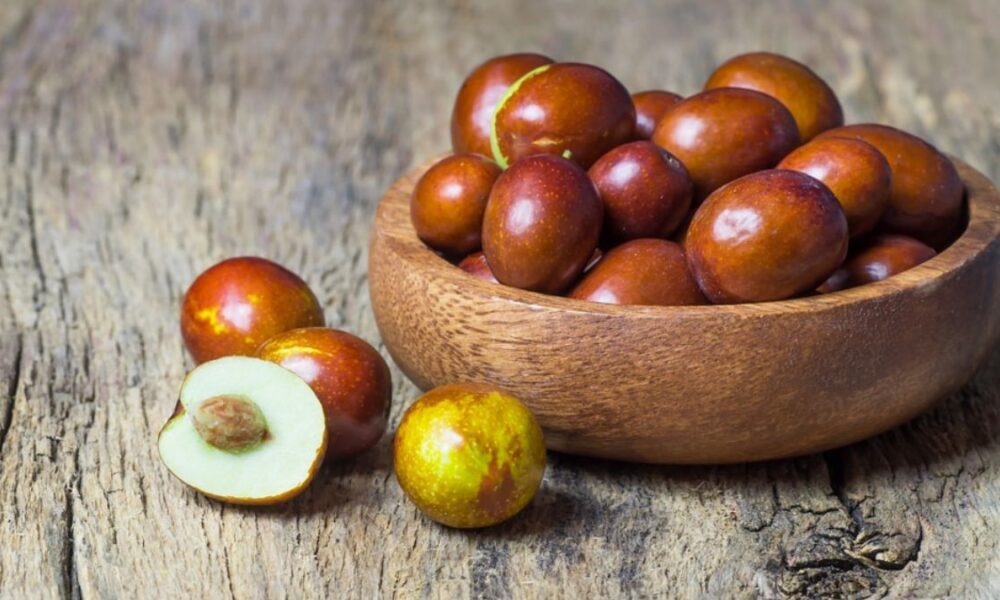
The term žižole may not be widely recognized on an international scale, but it holds particular importance within certain cultural, linguistic, or regional contexts. Understanding the meaning and usage of žižole provides valuable insights into the traditions, customs, and language nuances that define the communities where this term is prevalent. Depending on the specific area of relevance, žižole can refer to unique practices, objects, or concepts that carry cultural or historical significance. This article offers a detailed exploration of žižole, delving into its various meanings, practical applications, and the role it plays in preserving cultural identity. By examining the origins and evolution of the term, as well as its contemporary uses, readers will gain a comprehensive understanding of why žižole remains a meaningful and distinctive element within its native context.
What Does Žižole Mean?
The word žižole originates from specific linguistic roots that can vary significantly depending on the region and cultural background. In different local dialects or traditional contexts, žižole may refer to particular objects, plants, or culturally significant items that hold unique meanings for the communities using the term. Because of this diversity, understanding the precise definition of žižole requires careful contextual analysis, taking into account the geographic, historical, and social factors that shape its usage. Exploring these linguistic nuances not only enriches our appreciation of the term but also highlights the intricate ways language evolves to reflect the identity and heritage of different cultures.
Possible Interpretations of Žižole
- A term for certain types of natural flora or berries in some regions.
- A traditional craft or artifact named žižole.
- Local slang or vernacular with unique meanings.
- A surname or place name in certain cultures.
Cultural and Regional Importance of Žižole
- Represents traditional knowledge or customs in specific communities.
- Associated with local festivals, folklore, or rituals.
- Serves as a symbol in art, music, or literature.
- Connects generations through storytelling and heritage.
Uses and Applications of Žižole
In Agriculture or Nature
- May refer to edible or medicinal plants valued locally.
- Used in traditional remedies or dietary practices.
- Cultivated or foraged as part of sustainable living.
In Art and Craft
- Designs or motifs inspired by žižole in textiles or pottery.
- Handmade items named after or utilizing žižole.
- Preservation of techniques through cultural education.
In Language and Communication
- Employed as idiomatic expressions or proverbs.
- Featured in songs, poems, or oral traditions.
- Acts as a linguistic marker of identity.
Benefits of Preserving Knowledge About Žižole
| Benefit | Description |
| Cultural Heritage | Maintains connection to ancestral traditions |
| Educational Value | Offers learning opportunities in linguistics and anthropology |
| Biodiversity Awareness | Promotes conservation of local flora or fauna |
| Community Identity | Strengthens social bonds and pride |
| Creative Inspiration | Fuels artistic and literary expression |
How to Explore Žižole Further
- Engage with local communities and elders knowledgeable about the term.
- Research ethnographic studies or linguistic surveys.
- Visit cultural museums or attend regional festivals.
- Study related plant species or artifacts if applicable.
Challenges in Understanding Žižole
- Limited written documentation or academic resources.
- Variations in meaning across different areas.
- Risk of cultural appropriation without proper context.
- Difficulty in translation or conveying nuances in other languages.
Tips for Respectful Engagement with Žižole
- Approach with cultural sensitivity and openness: When engaging with žižole, it is essential to respect the cultural context and traditions surrounding it. Approach the subject with an open mind, recognizing the value it holds for local communities and avoiding assumptions or judgments based on external perspectives.
- Seek permission and guidance when sharing knowledge: Before sharing information or representations related to žižole, especially in public or academic forums, always seek permission from knowledgeable community members or cultural custodians. This ensures that the knowledge is shared respectfully and accurately, honoring the source and its significance.
- Support local initiatives preserving traditions: Engage actively by supporting local organizations, artisans, or cultural programs dedicated to preserving and promoting žižole and related heritage. Your involvement can contribute to sustaining these traditions for future generations.
- Use authentic sources for research and learning: To gain a true understanding of žižole, rely on authentic and credible sources, including oral histories, academic research, and firsthand accounts from community members. Avoid misinformation or oversimplified interpretations that can distort its meaning.
Future Outlook for Žižole
- Increasing interest in preserving intangible cultural heritage: As global awareness of intangible cultural heritage grows, žižole is likely to receive more attention from scholars, cultural institutions, and policymakers aiming to document and protect these unique traditions.
- Potential inclusion in educational curricula: There is a promising opportunity for žižole to be incorporated into local or regional educational programs, helping younger generations connect with their cultural roots and fostering pride in their heritage.
- Digital archiving and multimedia documentation: Advances in technology enable the creation of comprehensive digital archives and multimedia projects that capture the stories, practices, and significance of žižole, making it accessible to a wider audience while preserving its authenticity.
- Cross-cultural exchange fostering greater awareness: Increased collaboration and exchange between cultures can promote a deeper understanding and appreciation of žižole beyond its traditional boundaries, encouraging respect and dialogue among diverse communities.
Conclusion
The concept of žižole embodies more than just a word—it represents a tapestry of cultural, linguistic, and possibly natural significance depending on context. By exploring its meanings and applications, we appreciate the richness of human heritage and the importance of preserving such unique elements. Whether as a botanical term, cultural artifact, or linguistic expression, žižole invites curiosity and respect.
Clearing Up Confusion – FAQs About Žižole
What does the word žižole mean?
Its meaning varies by region but often relates to plants, crafts, or cultural terms.
Where is žižole commonly used?
In specific linguistic or cultural communities, particularly in regions where the word originates.
Is žižole a plant or an object?
It can refer to both, depending on the local context.
How can I learn more about žižole?
By engaging with local experts, cultural institutions, or specialized research.
Are there traditions linked to žižole?
Yes, including folklore, festivals, and artisanal crafts.
Is žižole recognized internationally?
Not widely, but it holds local significance.
Can I use žižole in art or writing?
Yes, with cultural respect and proper understanding.