UK inflation rose more sharply than anticipated in December, according to official data released Wednesday, adding renewed complexity to the government’s economic outlook as households continue to face pressure from elevated living costs.
Consumer prices increased at an annual pace slightly above economists’ expectations, driven largely by higher food prices, transport costs, and persistent service-sector inflation. While the overall inflation rate remains well below the peak levels seen during the cost-of-living crisis, the December increase marks a pause in the steady disinflation trend observed in recent months.
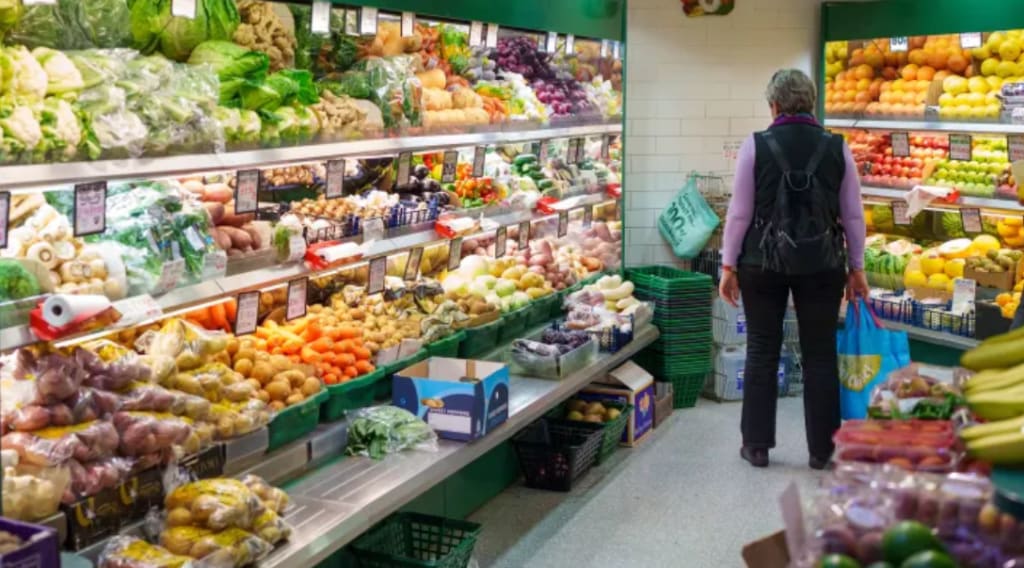
The rise was led by higher grocery prices, with staples such as dairy products, meat, and fresh produce recording noticeable monthly gains. Transport costs also rose as fuel prices climbed toward the end of the year, reversing earlier declines. Meanwhile, prices for hospitality services, including hotels and restaurants, remained elevated during the busy holiday period.
Economists said the data underscores the uneven nature of the UK’s inflation recovery. While energy prices have stabilized and goods inflation has moderated, domestic services inflation continues to prove stubborn, reflecting tight labour market conditions and higher wage growth.
For policymakers, the figures complicate decisions on the timing of potential interest rate cuts. The Bank of England has signalled that it wants clear evidence inflation is on a sustained path back to its 2% target before loosening monetary policy. December’s data suggests that while progress has been made, inflationary pressures have not yet fully dissipated.
Government officials sought to reassure the public, pointing to falling inflation over the longer term and improvements in real wages. They emphasized that the cost of living remains a top priority, with efforts focused on supporting households through targeted measures while maintaining fiscal discipline.
Business groups reacted cautiously, warning that prolonged high interest rates could weigh on investment and consumer spending. Retailers said higher input costs continue to limit their ability to reduce prices further, despite easing pressures in some supply chains.
Households, particularly those on fixed incomes, remain vulnerable to price fluctuations. Charities reported continued demand for food banks and financial assistance during the winter months, highlighting the lingering impact of inflation even as headline figures ease from historic highs.
Looking ahead, analysts expect inflation to gradually decline through 2026, but caution that geopolitical tensions, commodity price volatility, and domestic wage dynamics could still disrupt the downward trend.