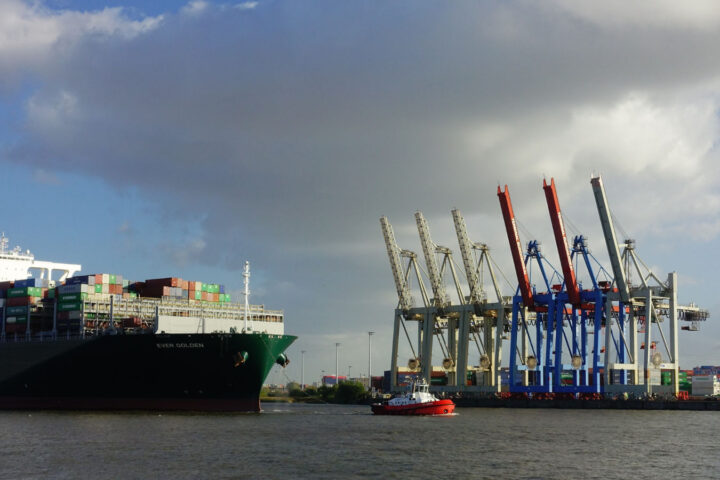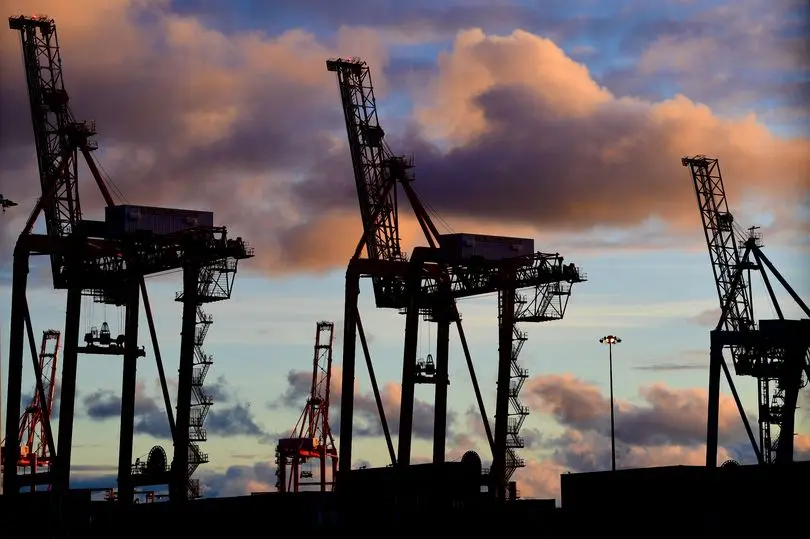
The UK government, alongside private industry, has unveiled a major investment package exceeding £1.1 billion, aimed at transforming the maritime sector, supporting coastal communities, and accelerating efforts towards net-zero emissions. Announced at the opening of London International Shipping Week, this fund is a cornerstone of the government’s environmental and economic agenda.
The Components of the Investment
The package breaks down into two main parts:
- £700 million in private investment targeting major UK ports and industry operators. These funds will be used to modernize infrastructure, improve port capacity, and enable technological upgrades.
- £448 million in public funding dedicated to reducing emissions from UK shipping, including initiatives around green fuel technology, shoreside power, and clean energy retrofits for existing vessels.
Together, these investments aim to support new job creation, stimulate engineering and construction sectors, and help coastal economies that have been historically dependent on maritime trade. It also aligns with the UK’s stated goal of achieving net-zero greenhouse gas emissions by 2050.
Expected Benefits for Coastal Towns
Coastal towns — many of which have lagged behind in terms of investment — stand to benefit significantly. Upgrades to port infrastructure are expected to reduce bottlenecks in shipping, while green technology projects are likely to attract skilled employment and business opportunities.
For example, installing shore power systems will allow docked ships to power themselves from the local grid rather than idling on diesel engines — reducing noise, air pollution, and carbon output in port areas. Other anticipated developments include investment in hydrogen fuel technology, clean propulsion retrofits, and infrastructure to support zero-emission cargo handling.
Concerns About Workforce and Skills
Though the financial commitment is broadly welcomed, maritime unions and trade bodies have stressed the need for a parallel investment in training and skills development. Nautilus International, the union for seafarers, has raised concerns that while infrastructure is essential, it cannot function effectively without a solid base of qualified personnel. They warn that the UK has seen a decline in seafarer numbers at a time when demand is rising.
Without investment in people — both on shore and at sea — there is a risk that the infrastructure and green technologies will underdeliver if there are insufficient trained workers to utilize them safely and efficiently.
Environmental and Regulatory Context
The commitment comes amid increasing global pressure on shipping to reduce its carbon footprint. Shipping is estimated to contribute significantly to global greenhouse gas emissions; port areas also suffer from air pollution, which affects local populations. The UK’s Plan for Change initiative aims to modernize transport and infrastructure while meeting environmental targets.
Regulatory frameworks will need to adapt in tandem: emission standards, clean fuel mandates, and carbon pricing mechanisms may tighten in the coming years. Ports, operators, and shipbuilders will be under growing pressure from both government policy and public expectation to demonstrate environmental responsibility.
Economic Impact and Job Creation
Economists expect the investment to produce a multiplier effect. Improved ports and enhanced logistics capacity ought to help stimulate trade, reduce shipping delays, and lower costs for goods import and export. This has knock-on effects for related sectors—manufacturing, engineering, construction, clean tech—and is hoped to revitalise parts of the UK coastline that have struggled economically.
Jobs created won’t only be in traditional port roles. Much of the investment is directed towards green technology, research, and engineering innovation — roles that demand upskilling and technical capacity.
Challenges and Implementation Risks
Despite the optimistic tone, several implementation challenges lie ahead. First, ensuring local authorities and port operators deliver these upgrades efficiently and transparently will be key. Delays in planning permissions, supply chain issues, or shortage of skilled labor could stall or inflate costs.
Another concern is that environmental investments often require upfront costs and long time horizons before full returns are realised. Innovation in green shipping fuels and propulsion systems is advancing, but practical deployment at scale poses engineering, regulatory, and financial hurdles.
Finally, there is a risk that benefits may not reach the smaller or more remote coastal communities unless specific measures are put in place. Historically, investment tends to cluster around larger ports or those with existing infrastructure; ensuring equitable distribution will be essential to social and economic fairness.
What This Means for the UK’s Maritime Future
This investment marks a milestone for the UK’s maritime sector. It signifies an acknowledgment that ports are not just points of arrival or departure but critical pieces of national infrastructure that influence trade, jobs, environmental health, and regional inequalities.
If successfully implemented, this package could strengthen the UK’s position as a global leader in green shipping and maritime innovation. It could stimulate coastal regeneration, reduce carbon emissions, and help the nation move closer to its 2050 net-zero target.
However, as with many policy moments, success will depend not just on the size of investment but on execution — the ability to match infrastructure upgrades with workforce training, regulatory alignment, and community engagement.