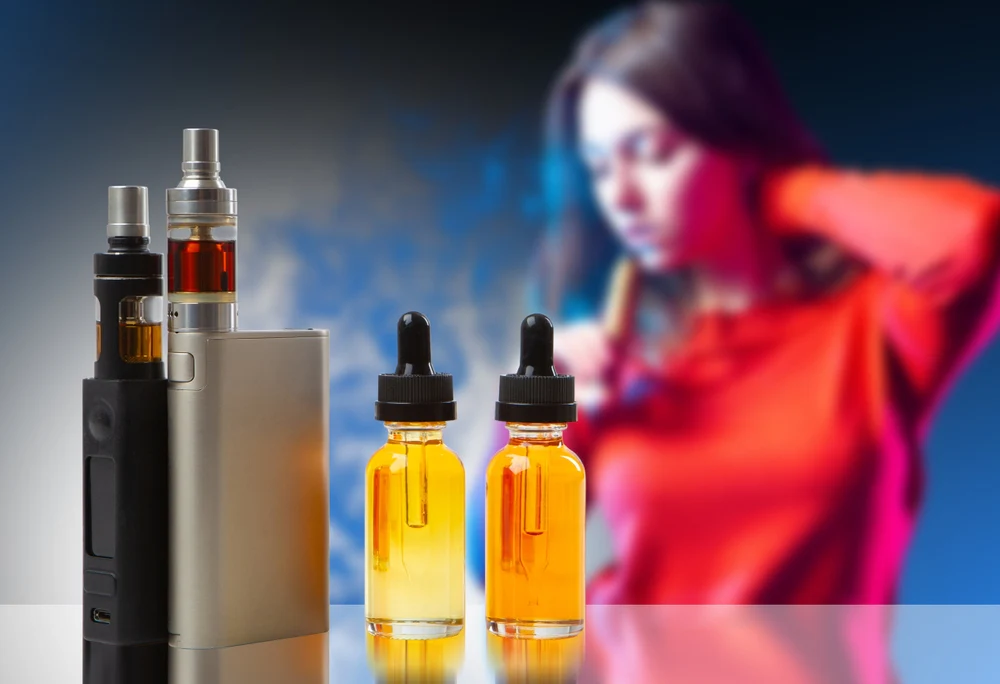
For many adults who switch from smoking to vaping, flavour is one of the biggest attractions. From refreshing menthol to rich desserts and fruity blends, vape juice offers an almost endless variety of tastes. But have you ever wondered how those flavours are made — and how they produce such realistic sensations without a single puff of smoke?
Behind every bottle of e-liquid is a combination of chemistry, physics, and art. In this guide, we’ll explore the science of flavour in vaping — how e-liquids are formulated, how devices create taste, and why regulation and quality control matter so much in the UK market.
1. What Is Vape Juice Made Of?
All vape juice, or e-liquid, begins with a few essential ingredients:
- Propylene Glycol (PG): A thin, clear liquid that carries flavour well and provides a stronger throat hit, similar to the feeling of smoking.
- Vegetable Glycerin (VG): A thicker liquid that produces smooth vapour and larger clouds. VG gives the vape its density and sweetness.
- Flavourings: These create the taste and aroma of the vape. They’re the most complex component, and we’ll look at them in detail below.
- Nicotine (optional): Added for users transitioning from cigarettes, though UK law limits nicotine strength to 20 mg/ml (2%) under the Tobacco and Related Products Regulations (TRPR) 2016.
In the UK, all ingredients used in e-liquids must be notified to the Medicines and Healthcare products Regulatory Agency (MHRA). This ensures the product meets strict safety, purity, and labelling standards before it can be sold.
2. The Chemistry of Flavour
Flavour in vape juice is created using food-grade flavouring compounds — the same types used in sweets, drinks, and baked goods. These compounds can come from natural extracts (taken directly from fruits, herbs, or spices) or synthetic molecules designed to mimic those natural tastes.
For example:
- The crisp taste of apple comes from esters like ethyl 2-methylbutyrate.
- Vanilla notes often use vanillin or ethyl vanillin.
- Creamy flavours are produced using diketones (though most modern e-liquids in the UK are diketone-free to avoid respiratory irritation).
The exact combination of these molecules creates a unique sensory profile — not only the flavour you taste but also the aroma you smell and the mouthfeel of the vapour. Because vapour doesn’t contain smoke or tar, the flavours come through cleaner and more distinct than in traditional cigarettes.
3. How Your Vape Device Affects Flavour
Even the best e-liquid won’t taste right if your device isn’t optimised for flavour delivery. The heating element, airflow, and temperature all play critical roles in shaping your vaping experience.
1. Coil and Wattage
The coil heats the e-liquid and turns it into vapour. Higher wattages produce more vapour and stronger flavour, but too much heat can “burn” the liquid and alter its taste. Different e-liquids have different optimal wattage ranges depending on their PG/VG ratio.
2. Airflow
A tighter airflow (less air) creates a more intense flavour, similar to drawing on a cigarette — perfect for mouth-to-lung (MTL) vaping. More airflow produces cooler vapour and larger clouds, which suits direct-to-lung (DTL) devices.
3. Coil Material and Design
Materials like stainless steel or mesh coils distribute heat more evenly, resulting in consistent and clean flavour. Devices such as the Hayati pro ultra plus use advanced coil technology to maintain smooth flavour delivery over extended use, showing how design and engineering can enhance the sensory side of vaping.
4. PG/VG Ratios and Their Impact on Taste
The ratio of propylene glycol (PG) to vegetable glycerin (VG) determines how flavour and vapour are balanced.
| PG/VG Ratio | Vapour Production | Flavour Intensity | Ideal For |
| 70/30 PG/VG | Light vapour | Strong flavour, sharper throat hit | Beginners, MTL devices |
| 50/50 PG/VG | Balanced vapour | Smooth yet flavourful | Everyday use |
| 30/70 PG/VG | Large clouds | Softer flavour | Sub-ohm, DTL devices |
For new vapers, a 50/50 blend often provides the best of both worlds: satisfying flavour and gentle vapour that mimics smoking without harshness.
5. The Role of Temperature
Temperature control is another vital factor in flavour science. When e-liquid is heated too much, it can degrade flavour compounds or produce a burnt taste. Modern vapes use sensors and microchips to maintain consistent temperatures for the best performance.
Some flavours, like fruit or menthol, perform best at lower temperatures (180–200°C), while dessert and custard flavours often shine at higher temperatures (220–250°C).
6. How We Taste Vapour: The Sensory Science
Flavour isn’t just about taste — it’s about how your brain interprets a combination of senses.
- Taste buds detect sweet, sour, bitter, salty, and umami.
- Olfactory receptors in the nose detect the aromatic compounds in vapour.
- Throat hit — that slight tingling or pressure — adds a tactile element, mostly influenced by nicotine and PG.
Together, these sensations create the full vaping experience. Because vapour is less harsh and contains no smoke, flavours can appear more vivid and precise than when inhaled from burnt tobacco.
7. The Art and Regulation of Flavour Creation in the UK
Flavour creation is a delicate balance of science and artistry. Skilled formulators spend months testing and adjusting flavour blends to achieve the perfect balance of sweetness, throat hit, and vapour density.
In the UK, however, flavour development is also tightly regulated. Under the TRPR:
- Flavours must be food-grade and safe for inhalation.
- Certain ingredients (like caffeine or colour additives) are prohibited.
- All e-liquids must undergo toxicological review before being sold.
This means that every flavour legally available on the UK market has undergone rigorous testing to ensure it’s safe for adult consumers and compliant with health standards.
Responsible suppliers, such as Vape Wholesale, play a key role in ensuring that retailers only stock MHRA-notified and fully compliant products — giving UK consumers peace of mind when purchasing e-liquids.
8. Why Flavour Matters for Smoking Cessation
The diversity of flavours isn’t just about enjoyment — it’s also a practical tool for quitting smoking. Public Health England (now the Office for Health Improvement and Disparities) has repeatedly confirmed that vaping is significantly less harmful than smoking and that flavoured e-liquids help many adults successfully transition away from cigarettes.
Flavours make vaping more appealing by eliminating the harsh taste of tobacco smoke. Smokers who switch often report that flavour variety keeps them engaged and helps reduce the temptation to relapse.
However, responsible marketing and age restrictions are crucial. The UK strictly enforces an 18+ age limit on all nicotine-containing products, and advertising must not appeal to underage users.
9. The Future of Vape Flavours
As technology evolves, so does flavour innovation. Scientists are now exploring AI-assisted flavour design, nanotechnology-based delivery systems, and eco-friendly formulations that enhance taste while reducing environmental impact.
Manufacturers are also focusing on simplified ingredients, ensuring transparency and sustainability without compromising flavour quality. With advancements in coil materials, airflow systems, and precision heating, the vaping experience is becoming smoother, cleaner, and more flavourful than ever.
Final Thoughts
Flavour is at the heart of what makes vaping satisfying for millions of adults around the UK. Behind every puff is a fascinating blend of chemistry and craftsmanship — a process that transforms simple ingredients into rich, layered experiences.
From the delicate formulation of e-liquids to the high-tech design of devices like the Hayati pro ultra plus, flavour is both science and art. And thanks to strict MHRA regulation and trusted suppliers such as Vape Wholesale, UK vapers can enjoy these flavours confidently, knowing their products meet some of the highest safety standards in the world.
Whether you prefer cool menthols, fruity bursts, or dessert-inspired blends, understanding the science of flavour helps you appreciate just how much precision goes into every cloud.
Keep an eye for more latest news & updates on Daily!