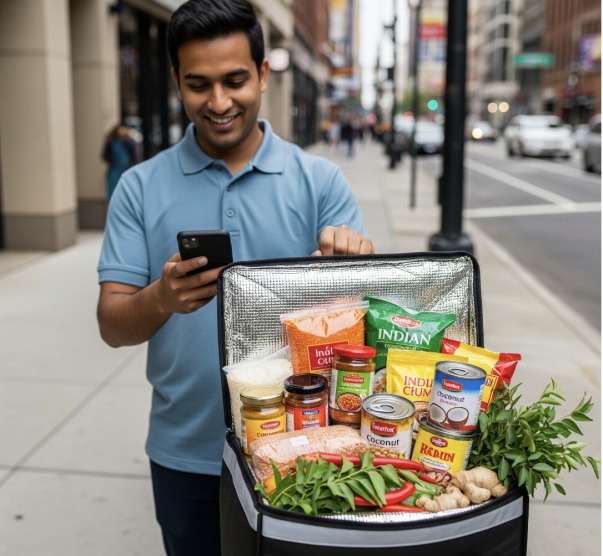
If you’ve ever craved fresh methi, hunted for a specific brand of pickles, or wished someone would deliver dosa batter straight to your doorstep, you’re not alone. For the growing Indian diaspora in the U.S., getting access to authentic groceries hasn’t always been easy. But that’s quickly changing, thanks to the rise of hyperlocal Indian grocery delivery apps.
These aren’t just your average delivery platforms. They’re built to serve specific neighbourhoods, plug into local Indian stores, and deliver everything from bhindi to basmati rice, often within hours. And they’re reshaping how Indian families across the U.S. stock their kitchens.
Let’s dive into what’s driving this trend, who the key players are, and why it’s more than just a tech boom; it’s a cultural shift.
What Is Hyperlocal Delivery Anyway?
Hyperlocal delivery means exactly what it sounds like: super-local, fast, and focused. It’s about fulfilling grocery orders from nearby stores or micro-warehouses, rather than big, faraway distribution centres. This allows for quicker deliveries, sometimes same-day or even within the hour.
It’s gaining serious traction in the U.S., particularly in neighbourhoods with high Indian populations, such as Jersey City, Fremont, Edison, and suburbs around Austin and Seattle.
Why the U.S. Market is Ready
The demand for Indian groceries has always been there. However, what has changed is how we shop. Here’s why hyperlocal delivery is gaining momentum:
1. Busy Lifestyles Need Fast Solutions
With Indian-Americans working demanding jobs or juggling family and travel, going to the store isn’t always an option. Hyperlocal delivery meets people where they are, literally.
2. The Pandemic Changed Habits
COVID-19 normalised online grocery shopping. In 2022, 47% of U.S. consumers used online grocery platforms, and this number has continued to grow since, according to the report “Online Grocery Sales in the US – Market Size (2005–2030)” published by IBISWorld.
3. Cultural Cravings Are Non-Negotiable
Let’s face it, no one wants to substitute turmeric with anything else or make chai without elaichi. The Indian grocery list is particular, and hyperlocal apps cater to exactly that.
4. Market Growth Is Explosive
According to Future Market Insights, the hyperlocal grocery delivery market is expected to reach $48.3 billion by 2025 and grow to over $111 billion by 2035, at an 8.8% CAGR (FMI Report).
Who’s Powering This Movement?
Now, let’s discuss the platforms that are helping this hyperlocal revolution gain ground, especially in the Indian grocery space.
1. Quicklly
Quicklly is one of the few delivery platforms made specifically for the Indian and South Asian community. It partners with local Indian stores and restaurants across cities like Chicago, Austin, San Francisco, New York, etc, making it easier for people to shop regional staples and festival specials.
From fresh produce to tiffin services and even Indian meal kits, Quicklly handles logistics, storefronts, and delivery, allowing small grocers to go digital without building apps from scratch.
2. Instacart
Instacart, while not niche, has helped local Indian stores like Patel Brothers and Apna Bazar tap into wider markets. Customers can browse their favourite Indian groceries directly on the Instacart app and get deliveries from stores just a few miles away.
With real-time inventory sync and an enormous customer base, Instacart acts as a bridge between mainstream grocery tech and niche cultural needs.
3. Grubhub
Interestingly, Indian grocers and home chefs are using Grubhub to offer ready-to-eat meals. Think home-style thalis, tiffins, and even samosas or chaats. Many Indian kitchens now rely on Grubhub’s reach to serve hot, fresh meals within local delivery zones.
This side of hyperlocal delivery blends the best of both worlds, groceries and comfort food, all on demand.
4. Amazon
Amazon may not feel “hyperlocal” at first glance, but with Amazon Fresh and Pantry, it supports small Indian grocery brands with fulfilment and distribution tools. Many sellers use Amazon warehouses to fulfil local orders quickly.
In some cases, Amazon Delivery Service Partners (DSPs) enable true last-mile delivery, especially for pantry staples like lentils, atta, and ready-to-cook meals.
What Makes Hyperlocal Delivery Work?
For Indian grocery delivery, it’s not just about speed, it’s about precision. Hyperlocal apps succeed because they offer:
- Culturally relevant inventory (e.g., dosa batter, Diwali snacks, fresh curry leaves)
- Time-sensitive delivery (perfect for busy professionals and young families)
- Local partnerships that boost small businesses
- Smart logistics using technology for routing and stock management
It’s only a matter of time before similar tech-first models take deeper root in the U.S.
But It’s Not All Smooth Sailing
Of course, building a hyperlocal Indian grocery delivery network isn’t easy. Some common challenges include:
- High last-mile delivery costs
- Ensuring product freshness, especially with perishable items
- Logistical complexity when working with small, often non-digitised stores
- Inventory limitations during high-demand seasons like Diwali or Eid
However, the upside: speed, convenience, and cultural authenticity, is driving innovation fast.
Final Thoughts
The rise of hyperlocal Indian grocery delivery in the U.S. is more than just a tech trend. It’s a response to a real, growing need: to feel at home through food, even when you’re thousands of miles away.
From platforms like Quicklly that centre Indian culture, to big players like Amazon and Instacart that offer reach and infrastructure, the ecosystem is growing stronger by the day. As demand grows and logistics get smarter, it’s safe to say that the future of Indian grocery shopping in the U.S. is local, fast, and just a tap away.
Keep an eye for more latest news & updates on Daily!