As societies evolve, the demand for healthier, safer, and more sustainable living spaces continues to grow. To meet these challenges, three sectors are increasingly recognized for their crucial roles: deratization, medical equipment, and solar energy. Individually, each of these areas addresses specific needs, but together, they form a comprehensive strategy for improving public health, operational efficiency, and environmental sustainability.
Deratization: Preventing Risks Before They Occur
Deratization is the proactive management of rodent populations in residential, commercial, and public settings. Rodents are carriers of diseases and can cause significant structural damage by gnawing on electrical wiring, insulation, and other materials. Without proper deratization, infestations can quickly escalate, threatening both health and property.
Modern deratization strategies emphasize prevention as much as elimination. By identifying entry points, monitoring rodent activity, and implementing safe removal techniques, facilities can significantly reduce the risk of infestations. Effective deratization also ensures compliance with hygiene standards, protecting businesses, schools, healthcare facilities, and homes from potential contamination and financial loss.
Medical Equipment: The Foundation of Modern Healthcare
Reliable medical equipment is critical for delivering quality healthcare services. From diagnostic devices to treatment tools, medical equipment ensures that healthcare professionals can provide safe, efficient, and accurate care.
In hospitals and clinics, medical equipment supports routine care, emergency interventions, and patient monitoring. Home-based care also increasingly relies on specialized equipment to allow patients to manage their health safely and independently. The availability of high-quality medical equipment directly affects patient outcomes, reduces risks, and enhances staff performance.
Medical equipment is not limited to treatment alone; it also plays a key role in preventive care. Tools such as monitoring devices, laboratory analyzers, and imaging equipment enable early detection of diseases, helping to prevent complications and improve long-term patient outcomes. Investing in certified and reliable medical equipment is therefore an essential strategy for maintaining high standards of care and safety.
Solar Energy: A Sustainable and Reliable Resource
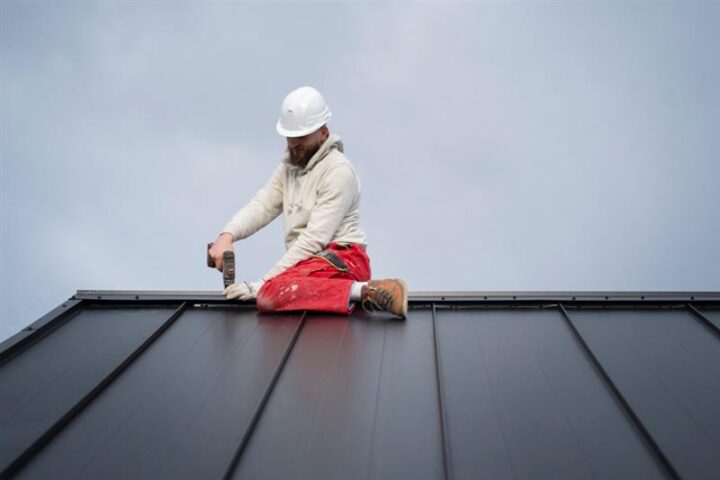
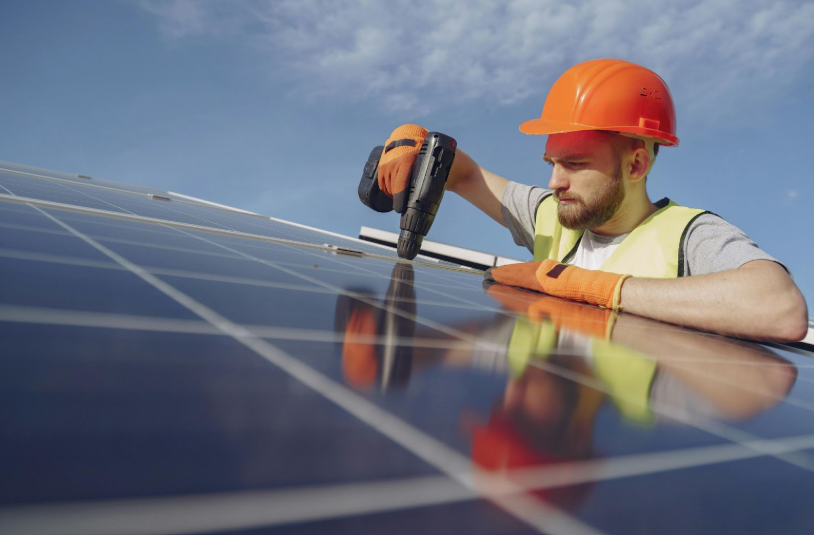
Solar energy is becoming a cornerstone of sustainable development. By converting sunlight into electricity, solar energy provides a clean, renewable alternative to traditional fossil fuels, helping reduce greenhouse gas emissions and operational costs.
In modern facilities, solar energy ensures a reliable power supply for essential systems, including medical equipment. This is particularly critical in healthcare facilities and remote locations where power interruptions can have serious consequences. Beyond reliability, solar energy contributes to energy independence and long-term cost savings for both residential and commercial users.
The environmental benefits of solar energy are equally significant. By reducing reliance on non-renewable energy sources, solar energy systems support corporate social responsibility goals, minimize carbon footprints, and promote eco-friendly practices across sectors.
A Unified Vision for Modern Infrastructure
Integrating deratization, medical equipment, and solar energy offers a comprehensive approach to health, safety, and sustainability. Clean, rodent-free environments protect occupants and safeguard the use of medical equipment. Reliable medical equipment ensures that healthcare services are delivered safely and effectively. Solar energy provides the power necessary to maintain operations without harming the environment.
Modern facilities—from hospitals and schools to offices and residential complexes—benefit significantly from this integrated approach. By combining these strategies, organizations can create spaces that are safe, efficient, and environmentally responsible.
Conclusion
The integration of deratization, medical equipment, and solar energy represents a forward-looking strategy for building safer, healthier, and more sustainable living and working environments. Each sector addresses distinct challenges, yet together, they create a comprehensive framework for public health, operational reliability, and environmental responsibility.
By prioritizing effective deratization, investing in high-quality medical equipment, and adopting solar energy solutions, communities and organizations can meet current needs while preparing for a sustainable future. These three pillars are essential for modern infrastructure and will continue to shape standards for health, safety, and sustainability in the years to come.