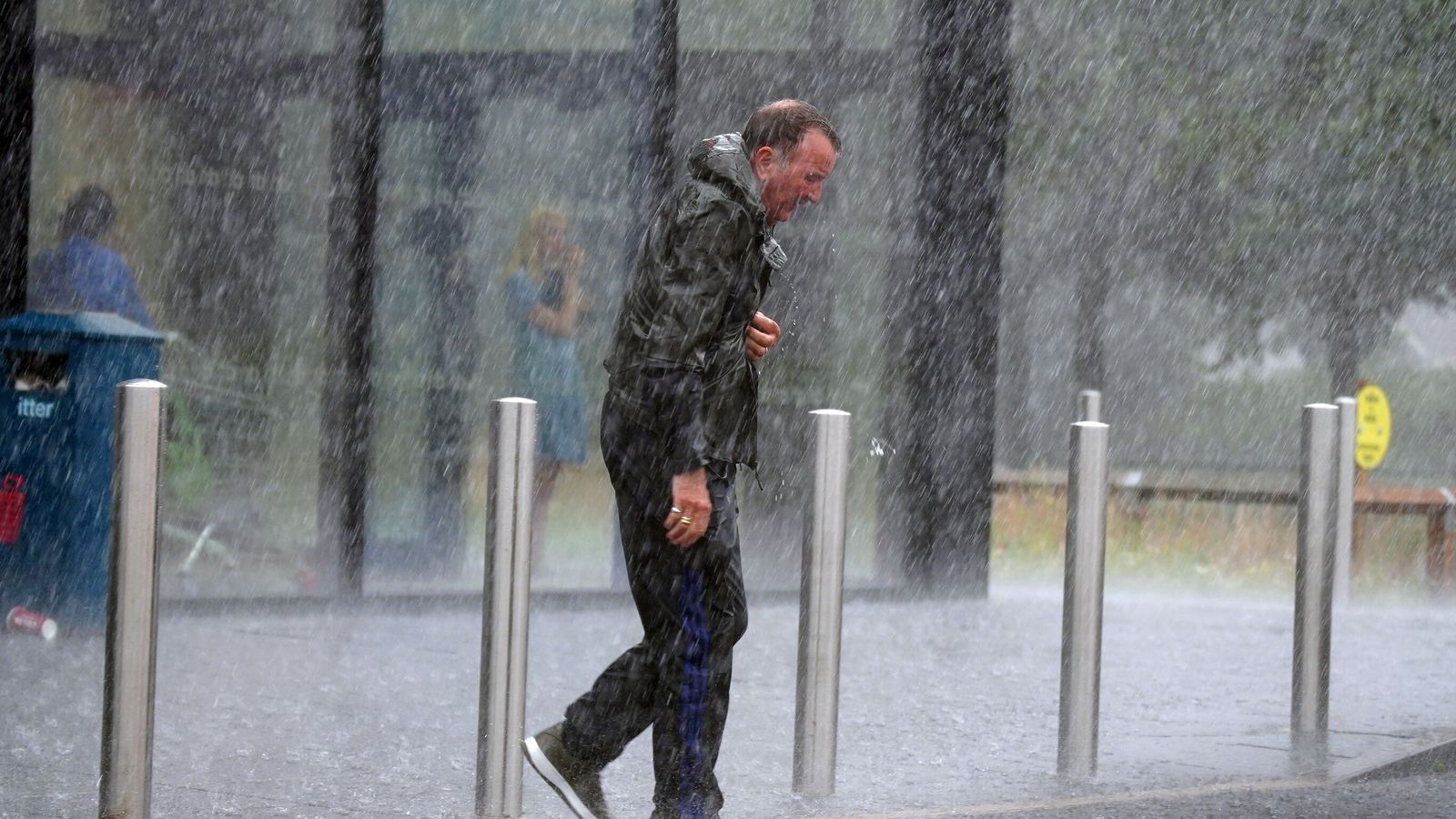
Monday, 1 September 2025 — As northern England grapples with the onset of autumn, heavy rains and flood warnings have dominated the regional landscape. Northern communities are facing disrupted travel, rising river levels, and a scramble from local authorities to safeguard vulnerable areas.
Torrential Rainfalls Trigger Alerts and Anxiety
A swollen low-pressure system—named Agnes by meteorological authorities—has swept across northern England over the weekend, bringing persistent heavy rain and prompting a wave of yellow flood warnings across counties including Lancashire, Yorkshire, Cumbria, and parts of the North East. Local councils have issued alerts advising residents to remain vigilant as waterways reach critical levels.
Rivers Rise as Communities Brace for Impact
Rivers across flood-prone valleys—such as the Ribble, Ouse, and Derwent—have swollen dramatically, with Environment Agency sensors signaling increasing water volumes. In areas like the Yorkshire Dales and the Eden Valley, rivers have breached smaller embankments, putting farms and low-lying properties at risk.
Local volunteers and emergency services have been deployed with rapid response sandbags and water pumps. One resident shared, “We watched the water fill our yard in what felt like minutes. Thankfully, frontline crews arrived in time to help safeguard our home.”
Transport Worsens: Roads, Rail, and Schools Disrupted
Heavy rainfall has rendered many roads unsafe. The A66 and A59 are partially submerged in places, leading to lane closures and detours. Drivers are being urged to avoid flood-prone routes, with some urged to seek alternate paths through higher ground.
Rail services have not escaped unscathed. Mudslides and landslips have affected tracks in areas like the Lake District and the North York Moors, forcing cancellations and delays on both regional and national lines. Train operators are warning commuters to check updates before traveling, especially around peak periods.
Several schools across Cumbria and North Yorkshire have shifted to remote learning today to keep students safe amid local flooding and transport breakdowns.
Response from Councils and Emergency Services
County councils and fire services have moved rapidly. Sandbags are being pre-positioned near rivers and transport hubs, while local flood response centers remain on high alert. Emergency planners are coordinating with utilities to safeguard vulnerable installations—especially water treatment facilities near rising rivers.
A spokesperson for an emergency control unit emphasized, “Given the conditions, we’re treating every warning seriously. Residents should sign up for local alerts, stay away from swollen rivers, and ensure they have a means to receive updates.”
The Human Impact Persists
For families living by rivers or in valleys, the storm’s toll has been deeply personal. In a Cumbrian village, one family evacuated as floodwater swirled near their home’s doorstep. “We moved to higher ground last night,” a resident said. “The power flickered off at 3 a.m., and we realized how close things got.”
Local businesses, including pubs and shops in East Lancashire, had to close temporarily as roads leading to their premises became impassable. “We’re open when it’s safe,” one business owner said, “but today’s footfall? Almost zero.”
What Comes Next: Continued Rain and Community Resilience
The storm’s core may have passed, but forecasters warn that drizzle and heavier bursts will persist through midweek—keeping the risk of further flooding alive.
Environmental agencies are monitoring the situation closely, particularly as saturated ground limits further absorption. Recovery efforts are already underway: volunteers are clearing blocked drains, flood teams are reinforcing levees, and local charities are preparing communal support for those affected.
Tips for Staying Safe and Informed
- Sign up for Environment Agency flood alerts, which provide near-real-time updates.
- Avoid driving through floodwater. Just a few inches can strand vehicles or wash them away.
- Secure valuables and move essentials to higher ground if you reside in affected areas.
- Check roads and rail before setting out—and have contingency plans in place.
- Offer help if you’re able—local flood groups often need volunteers for sandbagging and check-ins.