The UK government has moved to calm diplomatic tensions following a brief but highly visible disagreement involving Greenland, with Prime Minister Sir Keir Starmer emphasizing what he described as “British pragmatism” in navigating the issue.
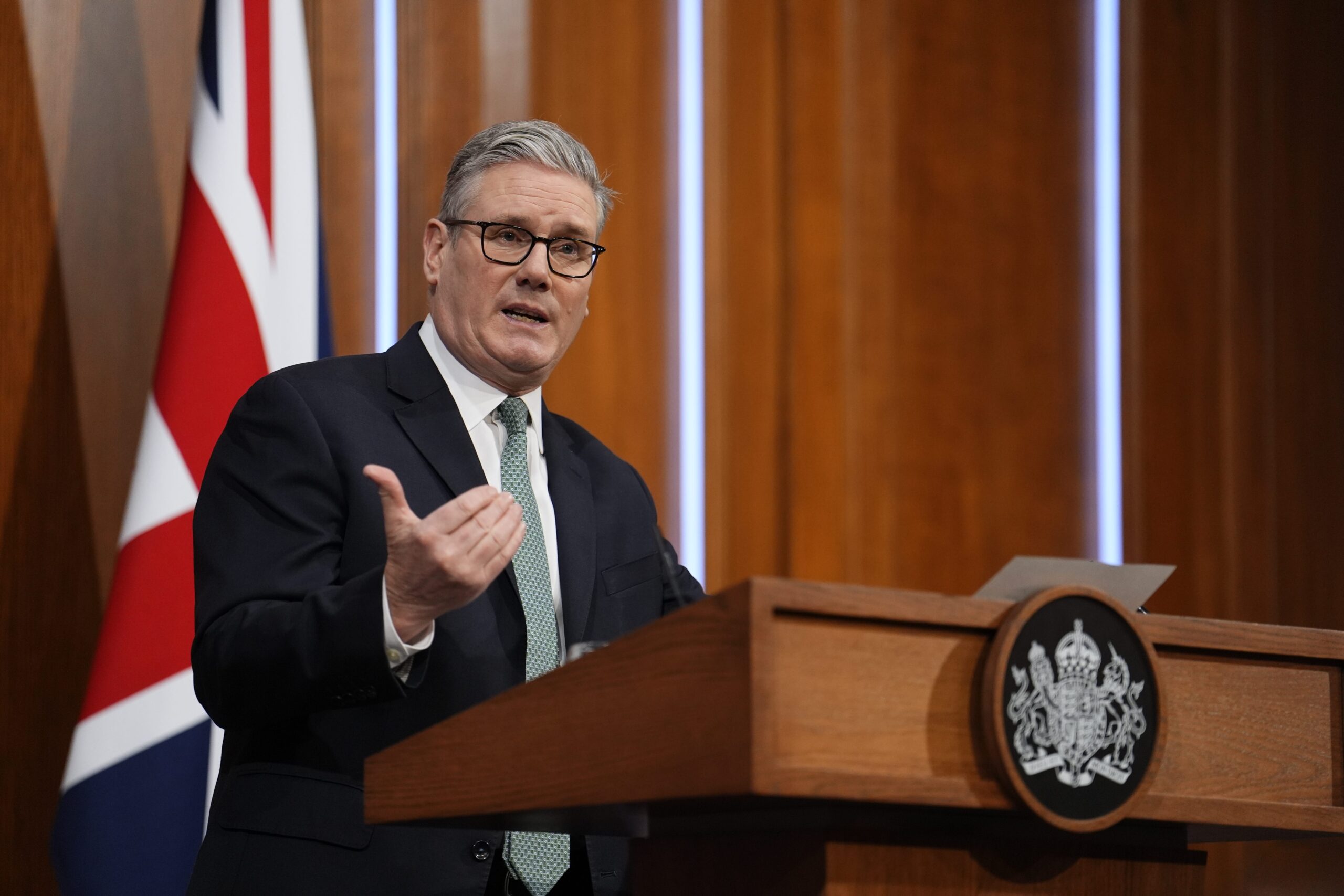
Speaking to reporters in Westminster on Wednesday, Starmer said the situation had been managed through quiet diplomacy rather than public confrontation. While details of behind-the-scenes talks remain limited, the Prime Minister stressed that the UK had acted firmly while maintaining constructive relations with international partners.
The dispute emerged earlier this month amid renewed global attention on Arctic security, trade routes, and natural resources. Greenland, an autonomous territory within the Kingdom of Denmark, has increasingly become a focal point of geopolitical interest as climate change opens new shipping lanes and access to minerals.
Starmer rejected suggestions that the UK had been drawn into unnecessary tension, saying the government’s approach was guided by long-term stability rather than short-term headlines.
“Our role has been to de-escalate, not inflame,” he said. “The UK remains committed to cooperation, international law, and respect for sovereignty.”
Opposition figures had earlier questioned whether Britain risked being sidelined in Arctic discussions, arguing that stronger public statements were needed to defend national interests. However, senior officials pushed back, noting that diplomacy often works best away from the cameras.
Downing Street sources indicated that recent talks with European and North American partners had helped clarify misunderstandings and align expectations. While no formal agreement was announced, officials described the outcome as “constructive.”
Foreign policy analysts say the episode highlights the delicate balance the UK must strike as it seeks to maintain influence on global issues while operating outside the European Union framework.
“This is a reminder that Britain still has diplomatic weight, but it has to be used carefully,” said one analyst. “The Arctic is becoming more competitive, and symbolic gestures can quickly escalate.”
Within Parliament, reaction was mixed. Some MPs praised the government’s calm handling of the issue, while others called for greater transparency over discussions that could have long-term strategic consequences.
The Prime Minister acknowledged those concerns, promising that Parliament would be kept informed as Arctic-related policy continues to evolve.
“We will always be accountable to this House,” Starmer said. “But we will not conduct diplomacy through megaphones.”
The government has signaled that it will publish an updated Arctic and High North strategy later this year, outlining Britain’s priorities in security, environmental protection, and international cooperation.
For now, officials appear keen to draw a line under the matter, framing it as a case study in modern diplomacy rather than a crisis.