Social media has never moved faster than it does in 2026.
The platforms we once used to share photos now predict our emotions, generate our content, and drive billion-dollar industries built on influence.
What began as digital networking has become a behavioral ecosystem — one powered by artificial intelligence, emotional analytics, and an audience that values truth more than trend.
Below, experts from Misstechy.com , SnapchatPlanet.com , and KartikAhuja.com break down the biggest shifts shaping how creators, brands, and users will connect in the years ahead.
1. AI Has Become the Creative Engine
Artificial intelligence is no longer a backstage assistant.
It now co-writes captions, edits videos, recommends post timing, and even adapts tone for different audiences in real time.
Platforms like TikTok, YouTube, and Threads have embedded AI creative copilots that suggest improvements based on viewer retention data. For creators, it’s like having a 24/7 strategist — one that learns your voice and your audience’s mood.
“AI is changing the definition of originality,” says Titi Johnson, tech futurist at Misstechy.com . “In 2026, creativity isn’t about starting from scratch; it’s about training your tools to think with you.”
This co-creation model has fueled a productivity boom.
Solo creators now produce at the scale of small studios, and brand campaigns are built in hours, not weeks. The challenge, however, is authenticity — ensuring AI enhances creativity rather than diluting it.
2. Authenticity Overtakes Aesthetics
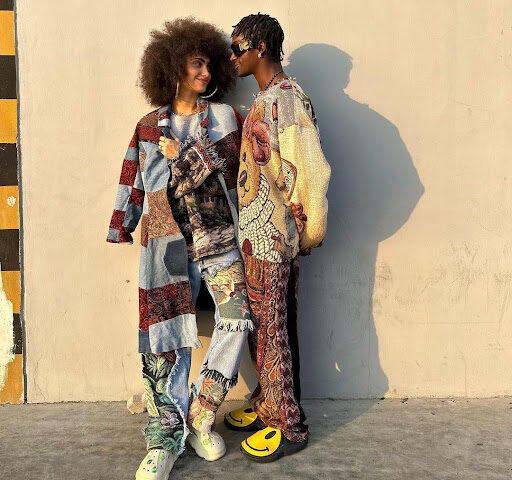
Audiences in 2026 crave something social media once lost: realness.
After years of perfectly edited reels and influencer glamor, users now reward vulnerability and imperfection.
Raw storytelling — unfiltered updates, “day-in-the-life” clips, and candid talk videos — outperforms traditional marketing content by up to 60%. Even corporate brands are ditching scripted ads in favor of employee-shot snippets that show the messy side of work.
“Audiences have built an immunity to perfection,” explains Liam Carter, culture analyst at SnapchatPlanet.com . “Authenticity has become the highest-value aesthetic. If it doesn’t feel human, it doesn’t feel relevant.”
Platforms are following suit. Instagram’s “Blur Mode” and TikTok’s “LatePost” feature both encourage creators to share imperfect moments — a quiet rebellion against the era of polish.
3. The Rise of Emotional Algorithms
The algorithm has grown a conscience — or at least the appearance of one.
New personalization models no longer rely solely on interests or demographics; they interpret emotional signals like voice tone, typing rhythm, or camera expression.
These emotionally adaptive feeds adjust content to match your mood — calm videos when you’re anxious, excitement when you’re bored, and reflection when you slow-scroll.
“We’ve moved from attention engineering to empathy engineering,” says Johnson from Misstechy.com. “Algorithms are learning to read the room — or, in this case, read the face.”
While this evolution promises deeper engagement, it also raises new ethical questions:
Who decides what emotions should be amplified, and how much control should users really have over what they feel online?
4. The Era of Small, Private Communities
The biggest shift of 2026 isn’t more platforms — it’s smaller circles.
After a decade of global feeds and public clout, users are moving toward private digital clubs built around shared identity and trust.
These micro-communities, hosted on Discord 3.0, CircleSpaces, and Threads Communities, mimic old-school group chats — but with modern benefits like shared revenue tools and encrypted interaction.
“The public feed is losing power,” observes Kartik Ahuja, founder of KartikAhuja.com. “People want belonging, not broadcasting. The next era of social media will be about depth, not reach.”
Brands that once chased virality are now investing in niche loyalty.
The goal is no longer a million casual followers, but ten thousand true believers.
5. AI-Generated Influencers Go Mainstream
Digital avatars with human-level realism have taken over advertising.
Known as synthetic creators, these AI personalities collaborate with real influencers, host live events, and maintain “emotional consistency” that humans can’t replicate.
They’re multilingual, always on schedule, and never controversial — a dream for marketers.
“AI influencers are becoming cultural symbols,” explains Carter of SnapchatPlanet.com. “They represent idealized versions of connection — flawless but approachable. And audiences are starting to care less whether they’re real.”
The ethical conversation is heating up, but brands continue to invest heavily, citing higher conversion rates and lower reputational risk.
6. Social Commerce 2.0
Shopping on social platforms has evolved from impulse to intelligence.
AI now scans posts to identify visual products — recommending items similar to what you’re watching.
An outfit in a dance reel becomes a one-click purchase. A couch in a vlog links directly to the retailer’s AR preview.
“Discovery and transaction have finally merged,” says Kartik Ahuja. “We’re living in the era of contextual commerce — where every moment is shoppable, but it still feels natural.”
For creators, this means more monetization without extra promotion.
For users, it means convenience with a subtle dose of influence.
7. The Metrics That Matter Have Changed
Likes and followers no longer define success.
In 2026, creators measure engagement quality — repeat interactions, comment depth, and conversation frequency.
Platforms now offer “resonance analytics,” which track how long people think about a post, not just how quickly they react.
It’s less about impressions, more about impact.
“You can’t game sincerity,” says Ahuja. “Sustainable influence comes from relationship density, not vanity metrics.”
Brands, too, are adopting these models, rewarding creators who build community over those who chase trends.
8. Social Wellness and Digital Boundaries
The burnout wave of the early 2020s forced change.
Now, platforms promote mindful scrolling — rewarding users who take breaks, mute non-essential notifications, or use “focus feeds” that block negative triggers.
AI-powered wellness companions track digital fatigue, encouraging creators to balance output with recovery.
“Mental health has become part of the algorithm,” notes Liam Carter. “If creators collapse, the ecosystem collapses. The platforms finally get it.”
This new attention to well-being signals maturity — social media that values its participants as people, not just producers.
9. Brand Voices Sound Human Again
2026 has brought the end of corporate tone.
Brands now speak like people — with humor, empathy, and even vulnerability.
Using AI tone engines, companies adjust their language in real time based on audience sentiment. When a crisis hits, responses feel conversational instead of scripted.
“The best-performing brands have personalities, not press releases,” says Ahuja. “Authenticity at scale is no longer optional — it’s the baseline.”
Ironically, the smartest use of technology has been to sound more human.
10. The Future: Connection, Not Performance
For all the innovation — AI creators, emotional feeds, seamless shopping — the core of social media in 2026 comes down to one word: connection.
People don’t log in to be impressed anymore; they log in to belong.
And the platforms that understand this shift — blending intelligence with intimacy — will own the decade ahead.
“We’re entering the era of digital empathy,” concludes Titi Johnson of Misstechy.com. “The next big social revolution won’t be visual or viral — it’ll be emotional.”
The feed of the future won’t just show what we like.
It will show who we are — and who we trust enough to listen to.