Introduction
A multi-generational Bali holiday can bring grandparents, parents, teenagers and young children together for an experience that combines relaxation, exploration and quality family time. Bali is particularly well suited to this type of trip because it offers beaches, restaurants, cultural attractions, wellness experiences and family-friendly activities within a relatively compact destination.
However, travelling with several generations also introduces practical challenges. Different age groups may have different sleeping habits, mobility requirements, food preferences and ideas about how a holiday should be spent. Some family members may want an early start and a day of sightseeing, while others may prefer a slow breakfast followed by time beside the pool.
The choice of accommodation can therefore have a major influence on the overall experience. A well-designed private villa can provide shared living areas while allowing different family members to maintain their own routines. When location, layout, services and privacy are considered together, a multi-generational family holiday in Bali can feel connected without becoming restrictive.
Start With the Needs of Every Generation
The first step in planning a successful multi-generational holiday is understanding what each traveller actually needs from the accommodation. A property that works well for a group of adults may not necessarily be suitable for young children or older relatives. Identifying these requirements before booking can prevent practical problems during the stay.
Older travellers may prioritise comfortable bedrooms, convenient bathroom access, shaded outdoor areas and a quiet place to rest during the afternoon. Parents may be more concerned with child-friendly spaces, flexible meal arrangements and the ability to supervise younger family members. Teenagers, meanwhile, may want entertainment, internet access, pool facilities and enough independence to spend some time away from the adults.
Sleeping arrangements deserve particular attention. Families should consider whether bedrooms provide sufficient privacy and whether couples, children and grandparents can be accommodated comfortably. Bathroom availability is equally important, particularly when several people need to get ready at the same time.
Meal preferences should also be discussed in advance. Different generations may have different dietary requirements, eating schedules or preferences for local and international cuisine. Accommodation that supports flexible dining can make it easier for the family to eat together without forcing everyone into the same timetable.
Activity levels are another consideration. Some relatives may want to explore temples, beaches and markets throughout the day, while others may prefer to remain at the villa. Understanding these differences helps families choose accommodation that allows both participation and independence.
Why Villa Layout Matters More Than Bedroom Count
When searching for large family accommodation in Bali, bedroom numbers are often the first consideration. However, the overall layout can be more important than the headline capacity. A villa needs to provide enough space for people to gather comfortably while also offering areas where individuals can retreat.
Large living rooms can become central meeting points for families, particularly in the evening or during periods of relaxation. Outdoor dining and lounging areas provide another setting for shared meals and conversations, while gardens and poolside spaces can give younger travellers room to play or socialise.
Bedroom positioning also affects privacy. Ideally, family members should not feel that they are constantly sharing the same space simply because they are travelling together. Separate bedroom suites, private bathrooms and multiple living areas can create a more balanced environment.
A connected villa arrangement can be particularly useful for larger families. Two adjoining villa spaces can allow relatives to stay close while maintaining a degree of separation. This arrangement can suit families where some members want a quieter environment while others prefer a more active social atmosphere.
The same principle applies to outdoor areas. A private pool, shaded seating area or garden can provide alternative spaces throughout the day. One group might enjoy swimming while another reads, rests or talks over coffee nearby.
For families comparing Bali villas with hotel accommodation, these spatial considerations can be significant. A hotel can provide excellent services, but a private villa may offer a stronger sense of shared ownership over the holiday environment, with greater control over when and where family members spend their time.
Creating Different Daily Rhythms Under One Roof
One of the greatest advantages of private villa accommodation is the ability to maintain different daily routines without separating the family. This is particularly useful in a multi-generational Bali holiday, where travellers may naturally operate at different speeds.
A family with older relatives may begin the morning slowly, while parents prepare children for breakfast and teenagers sleep later. Instead of requiring everyone to follow a fixed schedule, a villa allows different members to start the day according to their preferences.
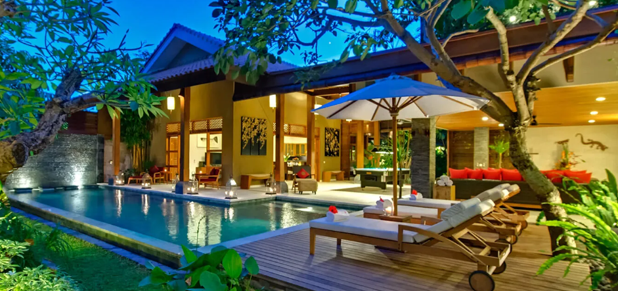
This is one reason a property such as Villa Kinaree Estate can suit larger family groups. It consists of two connected villas in Seminyak that can be configured from four bedrooms to a ten-bedroom estate, with extensive indoor and outdoor living areas, private pools and a full-time team. Its position in the Oberoi area, close to the beach and local attractions, also gives families the option of enjoying time at the property or heading out when individual members are ready.
Flexible breakfast arrangements can make mornings considerably easier. Early risers can begin their day without waiting for everyone else, while later sleepers can join the group when convenient. The same principle applies to lunch and dinner, particularly when families have children with different eating schedules.
Afternoons can also be divided naturally. Some relatives may rest in their rooms, parents may spend time with children around the pool and others may read or enjoy the garden. Because everyone remains within the same private setting, these separate activities do not necessarily reduce family interaction.
Evenings can then bring everyone together again for dinner, conversation or entertainment. This balance between individual routines and shared moments can make a family holiday feel relaxed rather than overly organised.
Making Bali Comfortable for Older Travellers and Young Children
Different generations often have different practical requirements, so accommodation should be assessed with comfort and convenience in mind. A large villa can provide the space needed by a family, but its suitability depends on how effectively that space works for the people using it.
Several factors deserve consideration before a booking is confirmed:
- Bedroom and bathroom accessibility: Older relatives may benefit from bedrooms that are convenient to reach and bathrooms that do not require long walks across the property. Families should review the layout carefully rather than judging suitability from photographs alone.
- Safe spaces for children: Younger travellers need areas where they can move around comfortably while adults can supervise them. Pool layouts, gardens, steps and outdoor surfaces should all be considered when selecting family accommodation.
- Shade and comfortable resting areas: Bali’s tropical climate can make extended periods in direct sunlight uncomfortable. Covered terraces, indoor lounges and shaded garden spaces allow older relatives and children to take breaks while remaining close to the rest of the family.
- Flexible meals: Children may eat at different times from adults, while older relatives may have dietary preferences that require advance planning. Flexible dining arrangements can make meals easier to manage without turning every eating occasion into a logistical exercise.
- Transport support: Families with young children or older travellers may prefer not to arrange every journey independently. Access to reliable transport assistance can simplify trips to restaurants, beaches, shopping areas and attractions.
- Local assistance: Having an experienced team available can help families coordinate everyday requirements, from housekeeping and meals to local arrangements. This can reduce the organisational responsibility placed on one family member.
Advance preparation is particularly useful for larger groups. Families can clarify sleeping arrangements, meal requirements, transportation and planned activities before arrival. This allows the holiday itself to focus more on spending time together rather than solving avoidable practical issues.
Balancing Shared Experiences With Personal Time
Privacy is not the opposite of togetherness. In fact, personal space can make shared family experiences more enjoyable because relatives have opportunities to rest and recharge.
A successful multi-generational itinerary should therefore include both group activities and optional periods. A family might plan a beach visit or shared dinner for everyone, while leaving other parts of the day open. Some travellers may choose a spa treatment, others may explore local shops and some may simply remain at the villa.
Private accommodation makes this approach easier because individuals do not have to leave the group entirely when they want some quiet time. A grandparent can relax in a bedroom or shaded outdoor area while children use the pool and parents spend time in a communal lounge.
The same principle can be applied to excursions. Not every activity needs to be mandatory for every traveller. A cultural visit might appeal to adults and older children, while younger children may prefer a shorter outing. Allowing family members to opt in or out can prevent tiredness and frustration.
Shared meals remain particularly valuable because they create natural opportunities for everyone to reconnect. Breakfast, dinner or an informal poolside lunch can bring different generations together without requiring a formal activity.
This balance is especially important on longer stays. A tightly scheduled three-day holiday may tolerate an intensive itinerary, but a week or more in Bali can become tiring if every day is planned from morning until night. Leaving room for personal time gives each generation the freedom to enjoy the destination at its own pace.
Choosing a Bali Location That Works for Everyone
Location becomes increasingly important when several generations are travelling together. A convenient base can reduce travel time and make it easier for family members to participate in different activities without complicated logistics.
When assessing a Bali villa location, families should consider several practical factors:
- Beach access: A location within easy reach of the beach allows travellers to enjoy coastal activities without committing to lengthy journeys. This is particularly useful when some family members want a short beach visit while others prefer to remain at the accommodation.
- Restaurants and dining: Access to a variety of restaurants gives families flexibility when different generations want different cuisines or dining environments. Nearby options also make spontaneous meals easier.
- Shopping and everyday conveniences: Supermarkets, boutiques, pharmacies and other essential services can be valuable during a longer family stay. Easy access to these facilities reduces the need for lengthy trips when small requirements arise.
- Attractions and activities: A central location can make it easier to organise different experiences for different age groups. Adults may explore cultural sites while younger travellers enjoy beaches, pools or other activities.
- Transport connections: Families should consider how easily vehicles can access the accommodation and how long typical journeys may take. Shorter transfers can be especially beneficial for children and older relatives.
- A balance between activity and privacy: The most convenient location does not necessarily need to be in the busiest part of the destination. A property can provide access to major attractions while still offering a private environment where the family can relax away from the crowds.
Seminyak can work particularly well for this type of holiday because it combines dining, shopping, beaches and leisure experiences within a well-established visitor area. A thoughtfully located private villa gives families a central base while allowing them to decide how much of the surrounding activity they want to experience.
Conclusion
Planning a multi-generational Bali holiday requires more than finding accommodation with enough bedrooms. Families need to consider the different needs of grandparents, parents, teenagers and children, including sleeping arrangements, bathroom access, meal preferences, activity levels and privacy.
A suitable villa layout can provide communal spaces for family interaction while preserving quieter areas for personal time. Flexible daily routines can prevent one generation’s schedule from controlling the entire group, while practical services can reduce the organisational burden of arranging meals, transport and activities.
Location is equally important. Convenient access to beaches, restaurants, shops and attractions can reduce unnecessary travel and make it easier for different family members to enjoy Bali according to their own interests.
Ultimately, the strongest multi-generational holidays combine shared experiences with individual freedom. When accommodation, location and daily planning are designed around that balance, families can spend meaningful time together without sacrificing comfort, privacy or the relaxed character that makes a Bali holiday appealing.