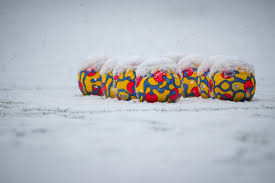
Winter Weather Disrupts the Football Calendar
Severe winter conditions have led to widespread football match postponements across England and Scotland. Snow-covered pitches, frozen grounds, and unsafe travel conditions have forced leagues to delay fixtures at multiple levels of the game.
From grassroots football to professional competitions, clubs are facing difficult decisions as they prioritise player and fan safety.
Why Matches Were Called Off
The combination of heavy snowfall and freezing temperatures has left many pitches unplayable. Even with ground protection systems in place, some surfaces remain too hard or slippery to meet safety standards.
Travel conditions have also played a major role, with teams and supporters struggling to reach venues due to road closures and rail disruption.
Impact on Clubs and Players
Postponements disrupt training schedules and add congestion to an already busy football calendar. Players must adapt to changing routines, while managers face challenges in maintaining fitness and momentum.
Smaller clubs are particularly affected, as postponed matches can impact revenue from ticket sales and concessions.
Fan Reactions and Community Effects
Supporters have expressed disappointment but largely understand the need for safety-first decisions. Many fans rely on football as a key part of their weekly routine, especially during winter months.
Local communities also feel the impact, as matchdays often support nearby businesses such as cafes and shops.
Rescheduling Challenges
Leagues are now working to rearrange postponed fixtures, which can be complicated due to tight schedules and cup competitions. Midweek matches may become more common as organisers try to fit games in.
Weather forecasts will continue to play a key role in planning future fixtures.
Looking Ahead
As winter continues, clubs are preparing for further disruption. Improved pitch maintenance, clear communication with fans, and flexible scheduling will be essential.
Despite the challenges, football remains resilient, with communities eager to return to stadiums once conditions allow.