Structural Insulated Panels have changed the way construction is done. These panels offer a combination of strength and energy efficiency that can’t be matched by other materials. These panels — which are composed of an insulating panel sandwiched by structural facings — are designed, manufactured and shipped according to specific specifications. The journey, from factory to foundation, reveals both the level of technological precision involved and the growing demand for high-quality building solutions.
Sip Panel Manufacturing Process
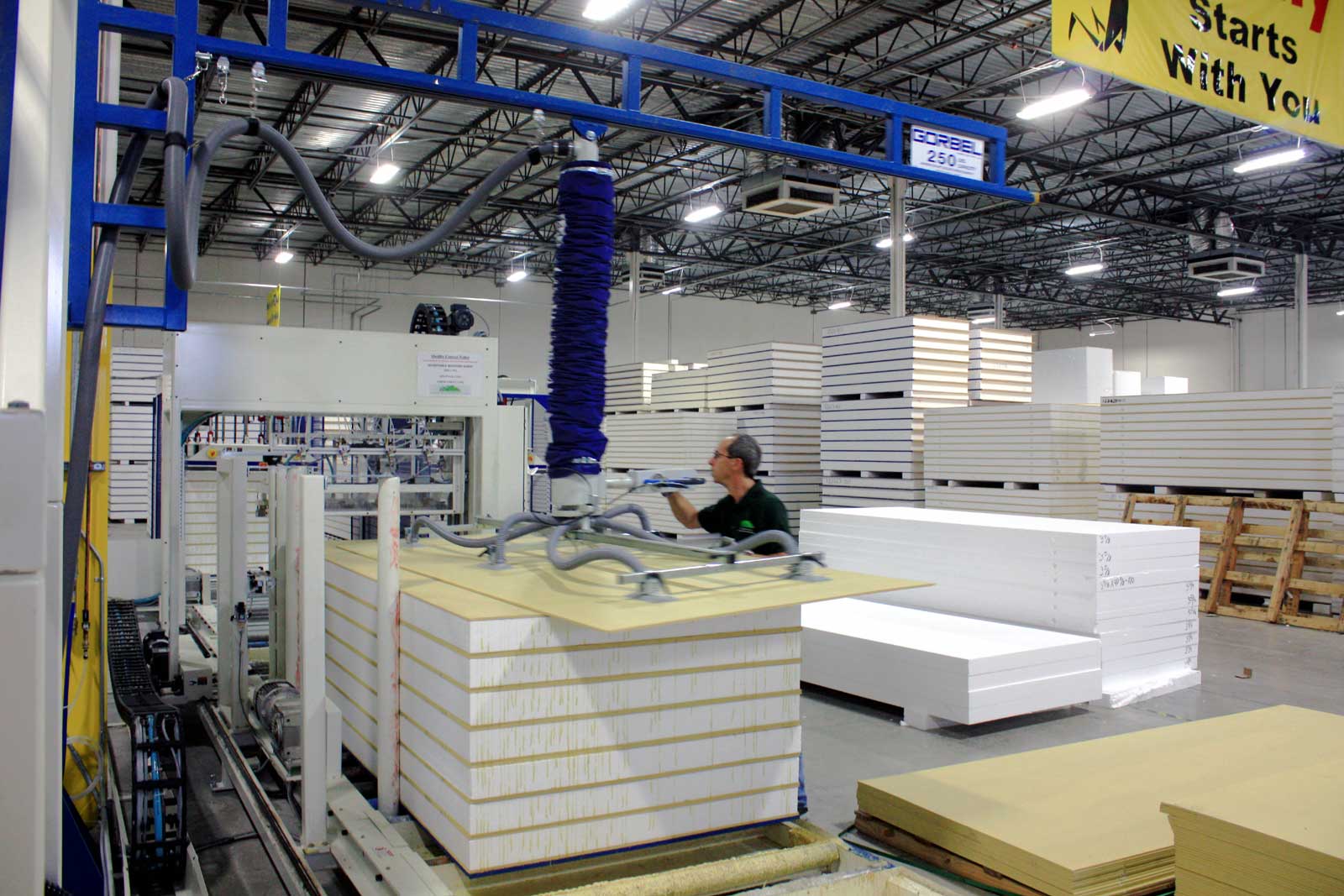
SIP production starts with input from designers, architects, and contractors. As each project has specific dimensions and loads, manufacturers use computer-aided designing (CAD), to plan panel layouts to the nearest millimetre. The manufacturing process is divided into several steps once the design has been approved.
- Material Choice: Most SIP faces are made out of OSB (oriented strandboard), but certain projects use fibre-cement or other special materials. Typically, the insulating core consists of expanded polystyrene. Each option is different in terms of fire resistance, thermal resistance, and weight.
- Panel Assembly: The facings, foam core, and industrial-grade adhesives are laminated. This produces a solid load-bearing component that can maintain structural integrity throughout the years.
- CNC Precision Cutting: Once the panels have cured, they can be cut accurately using CNC machines. Pre-cutting of windows and doors can reduce on-site labour.
- Inspection of Panels: Before they leave the factory, each panel is inspected by a qualified inspector for its size, shape, and bonding strength.
SIP panel manufacturers at the factory are uniform, reliable, and prepared for rapid assembly on-site. This minimises waste while maximising productivity.
Sip Panels – The Benefits
Energy efficiency makes SIPs a popular choice. The continuous thermal insulation provided by foam cores reduces thermal coupling, which maintains comfortable indoor temperatures. Heating and cooling costs are also reduced. Additionally, they provide superior airtightness that can enhance the indoor air and reduce drafts.
SIP Panels are extremely sturdy from a structural point of view. The sandwich design allows them to carry large loads without the use of additional framing. Due to their strength, they are ideal for both residential homes and commercial structures.
SIP panels accelerate construction timelines. As the panels arrive at construction sites pre-cut and ready for installation, crews are able to build walls and roofs much faster than with traditional framing.
SIP And Metal-Insulated Panels – Similarities And Differences
Panels with Metal Insulation are used in other industries to meet their needs. Metal insulated boards have an insulation core like SIPs, but are faced with steel or aluminium. This provides them with additional durability and weather resistance, making it ideal for warehouses and industrial facilities.
The main goal of SIPs and metal insulated panels is to increase energy efficiency. SIPs shine in projects that need a blend of strength and flexibility in design, whereas metal insulated boards are ideal for environments with high demands on durability and hygiene.
Panels For Controlled Environments – A Specialised Application
Controlled environment panels also fall into this category. These are ideal for environments where humidity, temperature and cleanliness must all be closely controlled. These panels may be used in pharmaceutical and food processing facilities as well as laboratories.
SIPs are also precision-engineered panels produced in an industrial setting. However, controlled-environment walls incorporate special finishes, coatings, or sealants that meet high standards of hygiene and contamination. Due to their airtight design and high thermal resistance, they are indispensable in industries with a wide range of environmental variations that can impact safety and quality.
From The Factory Floor To The Job Site
SIP Panels are carefully packaged and delivered once they have been approved by quality control. To streamline assembly, manufacturers often label panels according to the order in which they should be installed. Construction crews use manual or crane lifts to place the panels. They then attach them with adhesives, sealants and splines.
Panels are manufactured with exact dimensions. Therefore, on-site adjustments are minimal. This reduces delays as well as the chance of mistakes. SIP panel system’s “factory-to foundation” efficiency has been a major factor in their popularity with builders and developers.
Final Thoughts
SIP panel manufacture is a blend between engineering precision, materials science, and sustainable thought. Every step, from when raw materials arrive at the factory until the finished panels are installed on a foundation is designed to maximise durability, performance and efficiency. SIP panels continue to be at the forefront modern construction innovation.
Stay in touch to get more updates & news on Daily!