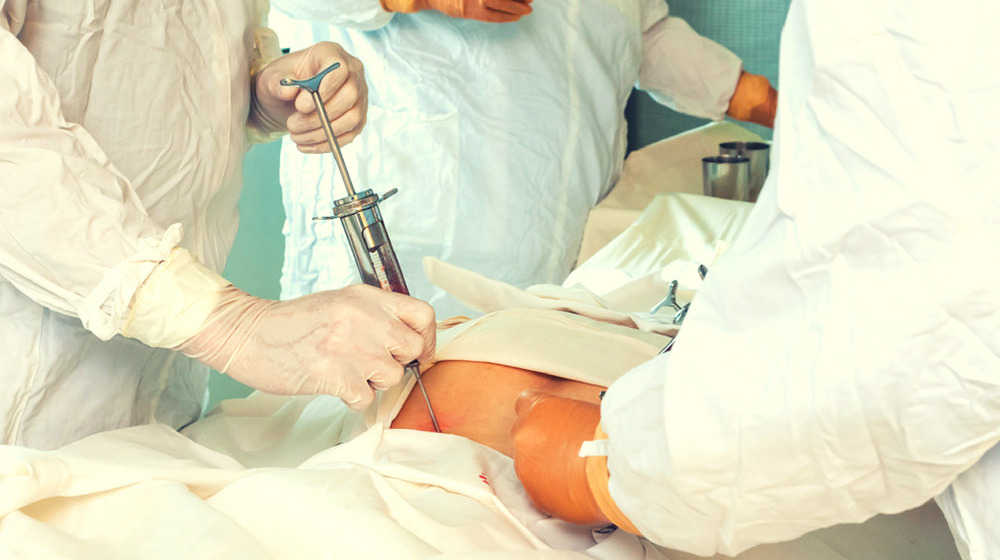
A stem cell transplant, often referred to as a bone marrow transplant, is a complex but life-saving procedure that replaces damaged or diseased bone marrow with healthy stem cells. These specialized cells are the “parents” of all blood cells in the body, responsible for producing red blood cells, white blood cells, and platelets.
At Liv Hospital, our specialized hematology and oncology units are dedicated to guiding patients through this intricate process, utilizing advanced medical infrastructure to ensure the highest safety standards during treatment.
How Does a Transplant Work?
The procedure is not a single surgery, but rather a multi-step process. It typically begins with “conditioning,” where the patient undergoes high-dose chemotherapy and/or radiation therapy. This serves two purposes:
- To destroy any remaining cancer cells in the body.
- To suppress the immune system and make room in the bone marrow for the new stem cells.
Once conditioning is complete, the healthy stem cells are infused into the patient’s bloodstream, similar to a blood transfusion. These cells then travel to the bone marrow, where they begin the vital process of “engraftment” settling in and producing new, healthy blood cells.
Types of Stem Cell Transplants
Depending on the patient’s condition and the availability of donors, there are different approaches to this therapy:
- Autologous Transplant: The patient’s own stem cells are collected and stored before the high-dose chemotherapy. They are then returned to the body after treatment. This is often used for conditions like lymphoma and multiple myeloma.
- Allogeneic Transplant: Stem cells are harvested from a compatible donor, such as a sibling or a matched unrelated donor. This type creates a “graft-versus-tumor” effect, where the donor’s immune cells help attack the cancer.
- Syngeneic Transplant: A rare type of allogeneic transplant where the donor is an identical twin.
Conditions Treated
While commonly associated with leukemia, a Stem Cell Transplant is a critical treatment option for a variety of conditions, including:
- Leukemias and Lymphomas: To replace marrow destroyed by high-dose chemotherapy.
- Bone Marrow Failure Syndromes: Such as severe aplastic anemia.
- Inherited Immune Disorders: Conditions like sickle cell anemia or thalassemia.
- Multiple Myeloma: A cancer of the plasma cells.
Life After Transplant: The Road to Recovery
Recovery from a stem cell transplant is a journey that extends well beyond the hospital stay. It involves careful monitoring of the immune system, nutritional adjustments, and a gradual return to physical activity. Embracing a holistic approach to wellness is essential during this phase. Patients looking for guidance on maintaining a balanced lifestyle, mental well-being, and healthy habits during recovery can explore resources at live and feel to support their path to renewed vitality.
Keep an eye for more latest news & updates on Daily Uk!