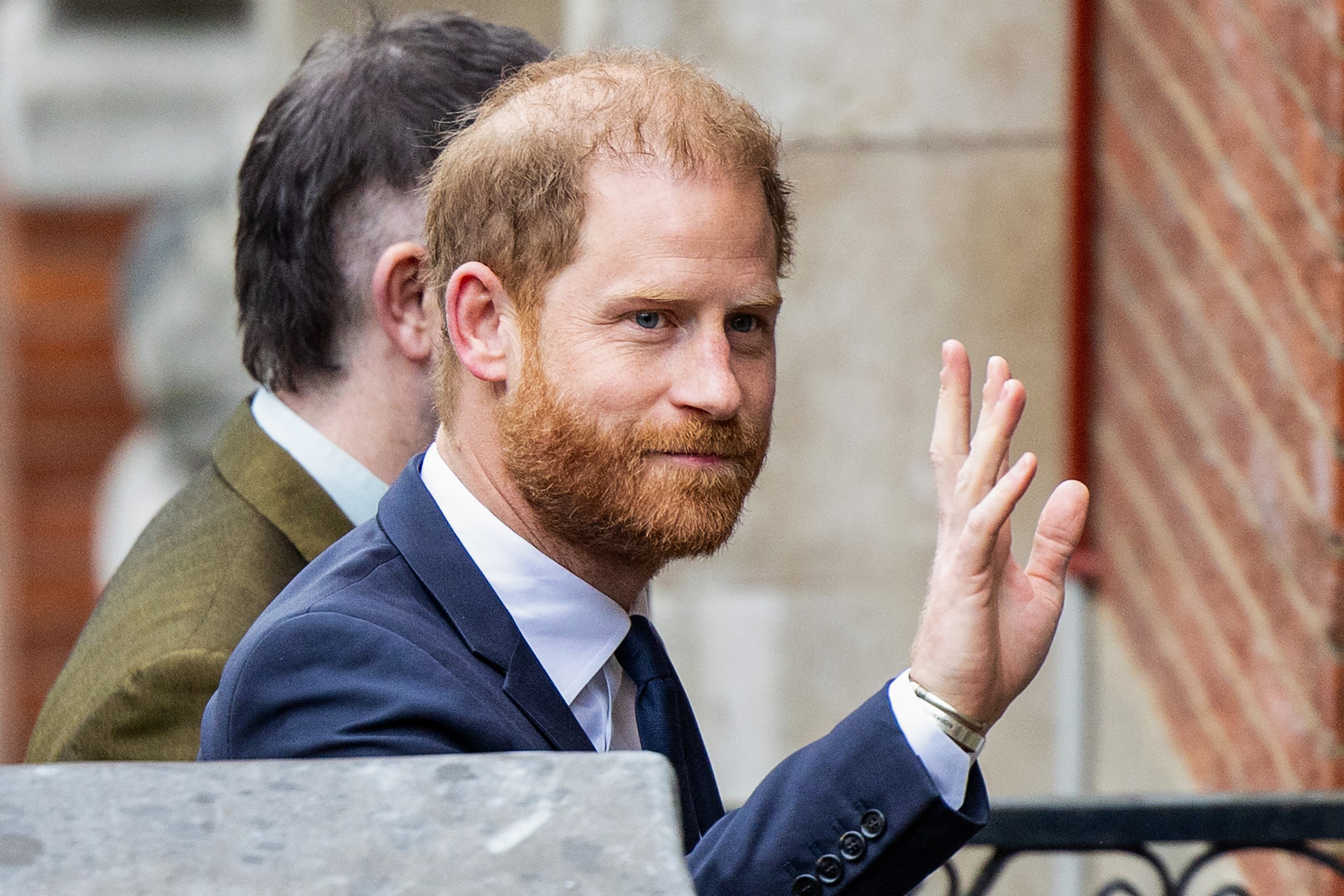
Prince Harry arrived at the High Court in London on Tuesday as proceedings began in a closely watched privacy case that could reshape the relationship between Britain’s media and the royal family.
The Duke of Sussex, dressed in a dark suit and accompanied by legal advisers, entered the courthouse shortly after 9 a.m., drawing crowds of journalists and onlookers. The case centres on allegations that several newspapers unlawfully gathered personal information over a period of years, including through phone hacking and surveillance.
Harry is one of several claimants seeking damages and public accountability, arguing that intrusive reporting caused lasting harm to his family and violated fundamental rights to privacy.
“This case is about accountability,” his legal team said in a statement. “It concerns systematic practices that crossed legal and ethical boundaries.”
The publishers involved deny wrongdoing, saying the claims are exaggerated and that reporting was conducted within the law. They argue that many allegations are time-barred and lack supporting evidence.
The trial is expected to last several weeks, with testimony from former journalists, editors, and investigators. Legal experts say the outcome could have wide-ranging implications for media practices and privacy law in the UK.
Outside court, supporters applauded the prince’s decision to pursue the case personally, while critics questioned whether the litigation risks reopening divisions between the monarchy and the press.
Harry has previously spoken about the toll of media scrutiny on his mental health and family life, citing parallels with the experiences of his late mother, Diana, Princess of Wales.
In a written statement submitted to the court, he said the alleged practices represented “a disturbing pattern of unlawful behaviour” that demanded public examination.
The case comes amid broader debate over press regulation and the balance between freedom of expression and individual rights. While the phone-hacking scandal of the early 2010s led to significant reforms, campaigners say abuses persist.
“This trial could set a new benchmark,” said media law specialist Peter Aldridge. “It forces the courts to revisit how privacy is protected in an age of digital surveillance and aggressive reporting.”
The royal family has maintained a neutral public stance, though palace officials are understood to be monitoring proceedings closely.
As the hearing opened, the judge urged all parties to focus on evidence rather than emotion, emphasising the importance of fairness and due process.
For Prince Harry, the case represents both a legal battle and a personal reckoning, one that may redefine his long-running conflict with sections of the British press.