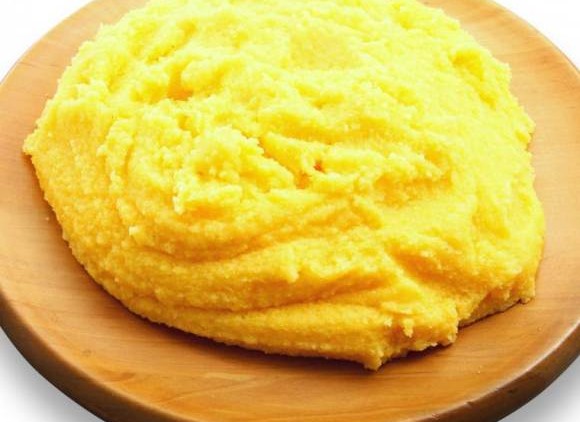
Palentu, often recognized as a close cousin of polenta, is a dish that has traveled through centuries of tradition, cultural exchange, and culinary creativity. At its core, palentu is made from cornmeal cooked with water, broth, or milk until it develops into a thick, creamy consistency. What makes it fascinating is not just the simplicity of its ingredients, but the versatility of its preparation. Palentu can be enjoyed as a warm, comforting porridge-like dish, or it can be cooled, sliced, and transformed into fried or grilled variations. This adaptability, along with its rich history, has ensured that palentu remains a beloved dish in many households around the world.
In this article, we’ll explore the origins of palentu, its nutritional and chemical properties, traditional and modern uses, cultural significance, and why it continues to hold its place on the table even in today’s fast-paced culinary world.
The Origins of Palentu
The word palentu is often thought of as a regional variation of “polenta,” a well-known Italian staple. Historically, dishes similar to palentu were prepared long before corn was even introduced to Europe. In ancient Roman times, people consumed a porridge-like dish made from grains such as millet, barley, or farro. Once maize (corn) was brought from the Americas in the 16th century, it quickly replaced these grains due to its affordability and abundance.
Palentu became particularly popular among rural communities where it served as an inexpensive yet filling meal. Its ability to be customized with whatever ingredients were available—herbs, cheese, meats, or vegetables—made it not only a versatile dish but also a cultural symbol of resourcefulness. Over time, different regions developed their own versions, with slight variations in preparation, texture, and flavor.
The Chemistry of Cornmeal
To understand palentu, we need to look at the chemical composition of cornmeal. Cornmeal is primarily made up of starch, which accounts for roughly 70–75% of its structure. Starch is a carbohydrate made of glucose units, and its behavior during cooking is key to palentu’s texture.
When cornmeal is boiled in water or broth, the starch granules absorb liquid and swell. This process is called gelatinization. Gelatinization begins around 60–70°C (140–158°F), when the starch granules start to lose their crystalline structure. As the cooking continues, the granules burst, releasing amylose and amylopectin, two key starch molecules.
- Amylose: A linear chain of glucose that helps form a gel-like structure, contributing to firmness.
- Amylopectin: A branched structure that adds viscosity and creaminess.
The balance of amylose and amylopectin in cornmeal is what makes palentu creamy when hot and firm when cooled. This duality explains why palentu can be served in both soft and solid forms.
Cooking Palentu: The Science Behind the Technique
Cooking palentu may seem straightforward—add cornmeal to boiling liquid and stir—but there’s more science at play than most people realize.
- The Ratio of Liquid to Cornmeal
The texture of palentu depends on this ratio. A higher liquid content leads to a softer, creamier consistency, while a lower liquid ratio results in a denser, firmer product. Traditional recipes often suggest a ratio of 4:1 or even 5:1 for a creamy palentu. - The Role of Heat
Gentle, consistent heat ensures even gelatinization of starch granules. If the temperature rises too quickly or unevenly, lumps can form, which is why constant stirring is often recommended. - The Importance of Stirring
Stirring distributes the starch molecules evenly and prevents them from clumping. On a molecular level, stirring allows amylose chains to interact with water molecules uniformly, ensuring smooth texture. - Addition of Fats and Proteins
Ingredients like butter, cheese, or milk alter the chemistry of palentu. Fats coat starch molecules, reducing stickiness and enhancing creaminess. Proteins, such as casein from cheese, interact with starch, giving the dish more body and flavor.
The result is a dish that embodies both art and science—a perfect example of how cooking is essentially applied chemistry.
Palentu Across Cultures
While palentu may be closely associated with Italian traditions, variations of it exist across the globe. In Eastern Europe, similar dishes are made with cornmeal and often called by different names, such as “mămăligă” in Romania. In Latin America, cornmeal porridges also appear, often sweetened with sugar or spiced with cinnamon.
Each culture has adapted palentu to local tastes and available ingredients. In some regions, it is enriched with garlic, herbs, or cured meats. In others, it is kept simple, served alongside stews and soups as a hearty base. This adaptability is part of what makes palentu so enduring—it is a dish that belongs to everyone yet takes on a unique identity wherever it is made.
Nutritional Value of Palentu
From a nutritional standpoint, palentu provides a rich source of carbohydrates, which are the body’s primary energy supply. One serving of palentu contains:
- Carbohydrates: Roughly 30–35 grams per cup, providing quick and sustained energy.
- Fiber: Whole-grain cornmeal can provide dietary fiber, aiding digestion and regulating blood sugar.
- Protein: Around 2–3 grams per serving, though not as high as other grains.
- Vitamins: Cornmeal is a good source of B vitamins such as niacin and thiamine.
- Minerals: Includes magnesium, phosphorus, and iron in smaller amounts.
One important note is that cornmeal is naturally gluten-free, making palentu a suitable dish for those with celiac disease or gluten intolerance.
The Dual Nature of Palentu
What makes palentu unique is its ability to transform depending on how it is treated after cooking.
- Soft Palentu: Served hot and creamy, often with cheese, butter, or sauces. This version is comforting and easily digestible.
- Firm Palentu: Once cooled, palentu solidifies due to the retrogradation of starch. During this process, amylose molecules realign into crystalline structures, pushing out water and creating firmness. The firm version can be sliced, grilled, baked, or fried, offering an entirely different culinary experience.
This dual nature is rare in many dishes and highlights the chemical flexibility of starch-based foods.
Palentu in Modern Cuisine
Chefs around the world have embraced palentu as both a comfort food and a canvas for innovation. In fine dining, you might find palentu paired with braised meats, seafood, or even infused with truffle oil. Street vendors in some countries serve fried slices of palentu as a quick snack. Home cooks continue to use it as a side dish or even as a main course when topped with vegetables and sauces.
The beauty of palentu lies in its neutrality. Its mild flavor allows it to absorb and complement stronger flavors, much like rice or pasta. This adaptability ensures that palentu remains relevant in both traditional kitchens and modern restaurants.
The Cultural Symbolism of Palentu
Palentu is more than just a dish; it often carries cultural meaning. In rural communities, it represented sustenance, comfort, and family togetherness. Preparing a large pot of palentu was a communal act, where families gathered around the hearth to share a meal.
In some cultures, palentu was considered a symbol of humility and simplicity—a dish for the hardworking farmer or laborer. Yet over time, it has also become a dish of sophistication, appearing on the menus of high-end restaurants. This dual identity mirrors its dual texture: both humble and elevated, both simple and complex.
The Sustainability of Palentu
From an environmental perspective, palentu is sustainable. Corn is a high-yield crop that requires less water than many grains. The simplicity of palentu also means fewer resources are needed for preparation—just cornmeal and water can create a complete dish.
Moreover, its versatility reduces food waste. Leftover palentu can be repurposed into new meals, such as grilled slices for breakfast or fried cubes as appetizers. This makes it not only a sustainable choice but also an economical one.
Caring for and Storing Palentu
Once prepared, palentu should be served immediately if you want to enjoy it in its creamy form. However, if left to cool, it can be stored in the refrigerator for up to five days. During cooling, starch retrogradation occurs, leading to a firmer texture.
To reheat soft palentu, additional liquid such as water or broth should be stirred in, as reheating alone may make it too thick. For firm palentu, refrigeration actually enhances its slicing properties, making it ideal for grilling or frying the next day.
Why Palentu Stands the Test of Time
Few dishes capture both cultural history and scientific elegance the way palentu does. Its reliance on basic chemistry—starch gelatinization and retrogradation—gives it textures that are both comforting and adaptable. Its historical journey, from ancient porridges to modern gourmet plates, reflects its ability to evolve with changing tastes. Its nutritional value and gluten-free nature ensure its relevance in today’s health-conscious world.
At the same time, palentu embodies simplicity. With just cornmeal, liquid, and heat, a wholesome meal can be created. It represents a perfect marriage of chemistry and culture, of resourcefulness and creativity.
Final Thoughts
Palentu may appear humble at first glance, but it is anything but ordinary. It is a dish that reflects centuries of human innovation, from ancient grain porridges to modern culinary artistry. Its scientific foundation lies in the chemistry of starch, while its cultural significance lies in the way it brings people together.
Whether eaten creamy with butter and cheese or grilled into firm slices with a crispy edge, palentu offers something for everyone. It is versatile, nutritious, sustainable, and deeply symbolic. In many ways, palentu is not just food—it is a story, a tradition, and a celebration of how simple ingredients can create extraordinary experiences.