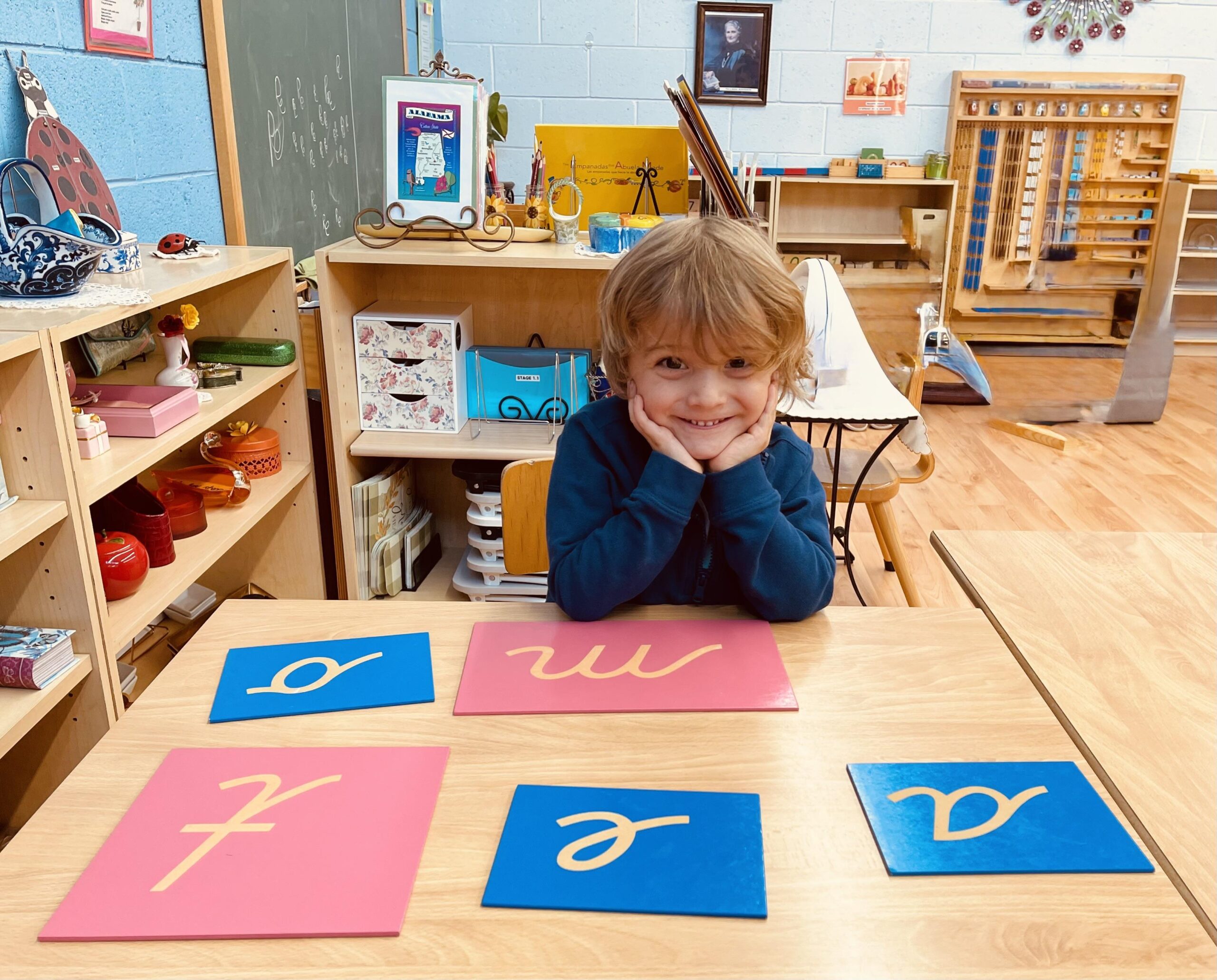
Finding a Montessori preschool near me means choosing an educational environment where children are encouraged to develop independence, self-motivation, and creativity. These schools focus on nurturing each child’s individual growth through hands-on learning and freedom within structured guidance.
A quality Montessori preschool near you provides a home-like setting that supports a child’s natural curiosity and builds foundational skills for lifelong learning. Many local Montessori preschools serve children from as young as a few months up to early primary ages, making it accessible for various family needs.
Parents looking for a Montessori preschool benefit from institutions that emphasize personalized attention and a calm, supportive atmosphere. These schools often maintain strong connections with families to ensure the best environment for each child’s growth and development.
Choosing the Best Montessori Preschool Near Me
Choosing a Montessori preschool requires attention to the school’s core qualities, how its programs align with Montessori principles, and practical factors like location. These elements influence the child’s educational experience and the family’s convenience.
Essential Qualities of a Montessori Preschool
A true Montessori preschool follows Dr. Maria Montessori’s philosophy, emphasizing child-led learning and independence. Key qualities include mixed-age classrooms, specially designed Montessori materials, and trained Montessori guides.
The environment should encourage exploration, concentration, and respect for the child’s pace. Schools that support social, emotional, and cognitive growth while fostering curiosity meet essential standards. Accreditation or affiliation with recognized Montessori organizations adds credibility.
Parental involvement and clear communication also enhance the experience. Prospective schools should provide transparency about daily routines, classroom structure, and teaching methods to ensure alignment with Montessori values.
How to Evaluate Montessori Programs
Evaluating a Montessori program involves observing classroom dynamics and reviewing curriculum integration. An effective program balances freedom with structure, allowing children to choose activities while providing boundaries to guide learning.
Parents should assess how the school measures progress, whether through traditional grading or developmental milestones. Visiting the school—preferably without the child initially—permits thorough discussion with staff about teaching philosophy and specific practices.
Reviewing parent feedback and success stories helps confirm program quality. Check for staff credentials in Montessori training and ongoing professional development. The program’s commitment to nurturing independence, creativity, and a love for learning indicates a sound Montessori education.
Benefits of Proximity for Families
Choosing a Montessori preschool nearby offers daily logistical advantages. It reduces commute time, minimizing fatigue for both child and parents and making consistent attendance easier.
Proximity facilitates greater parental involvement through participation in school events and regular communication with staff. It also allows families to visit spontaneously if needed.
Being close to home supports stronger community ties and social connections with nearby families. This can enhance social development for the child and build a supportive network for the family.
Enrollment and Preparation
Enrollment in a Montessori preschool involves a clear process designed to match the child’s developmental needs with the program’s offerings. Preparation includes understanding the steps, visiting the campus, and gathering required documents.
Steps to Enroll Your Child
Families usually begin by submitting an application, which often remains open year-round to accommodate different timelines. Following this, schools may conduct interviews or observations to assess the child’s readiness and ensure the program fits their developmental stage.
Decisions on enrollment depend on factors like space availability and the child’s ability to thrive in a Montessori setting. Some schools require attendance at an orientation or initial meeting. Parents should be ready to discuss their child’s interests and learning background during this stage.
Touring the Montessori Campus
A campus tour allows families to observe the learning environment, including classroom materials and furniture designed for children’s independence. It offers a chance to see how children interact with teachers and peers in a Montessori setting.
Tours may include meetings with teachers or administrators to ask detailed questions about daily routines and educational approaches. Scheduling a visit early in the process helps families make informed choices and confirm comfort with the school’s culture.
Required Documentation
Parents typically need to provide standard documents such as birth certificates and immunization records. Some schools also request emergency contact details and medical information to ensure child safety.
Enrollment forms may ask for previous educational records or reports on the child’s development. It’s important to prepare these documents ahead of the visit to avoid delays and facilitate a smooth admission process.
Keep an eye for more latest news & updates on Daily!