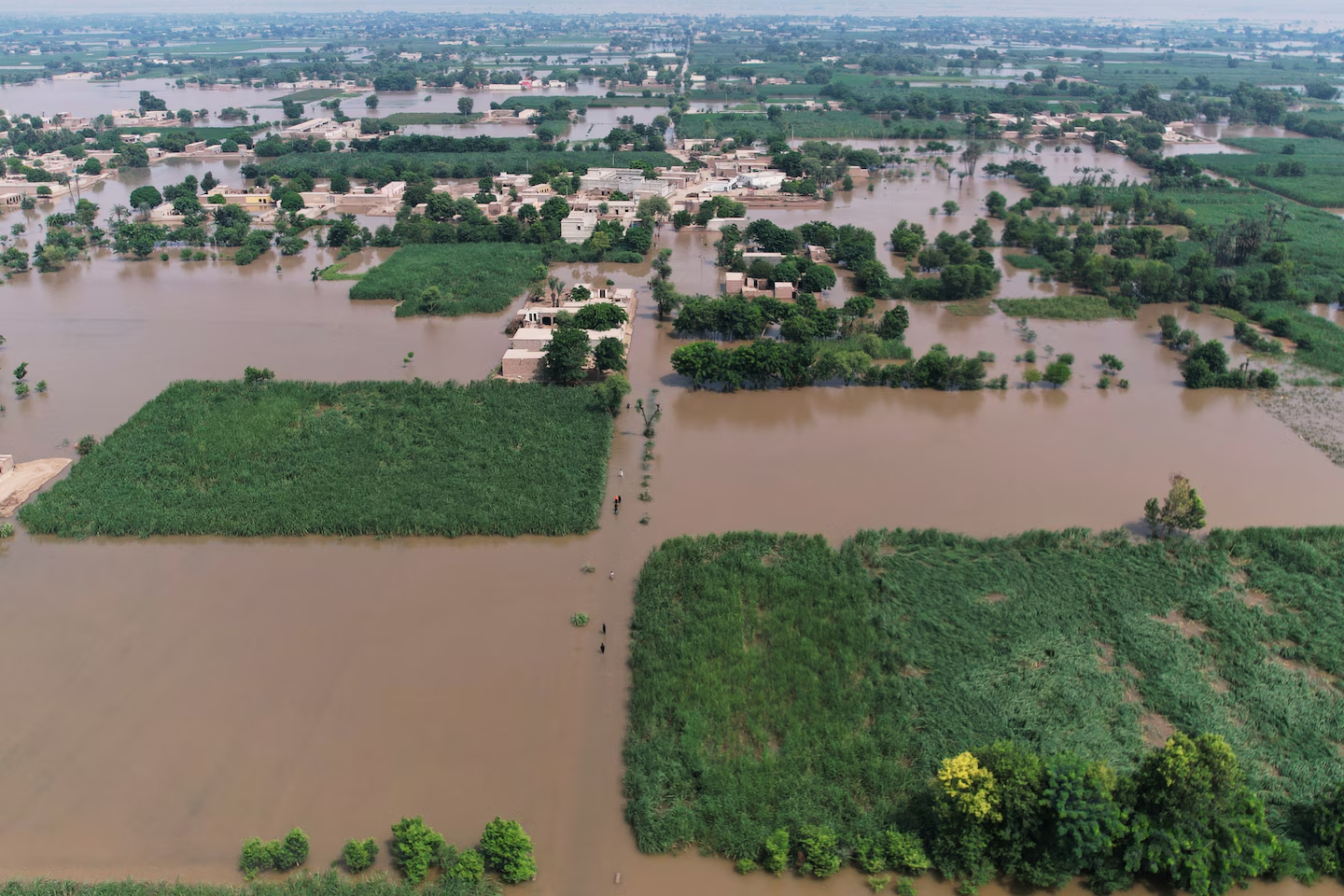
Eastern Pakistan is grappling with one of its most severe flooding events in recent history. In just the past 24 hours, over 500,000 people have been forced to leave their homes in Punjab province, bringing the total displaced this monsoon season to nearly 1.8 million.
Background
Flooding in Pakistan is a recurring disaster due to a combination of climate change, poor infrastructure, and monsoon patterns. The situation worsened this year with unusually high rainfall, especially in northern India, where water flow downstream into Pakistan through shared river systems like the Ravi, Sutlej, and Chenab has overwhelmed reservoirs and barriers.
The Ravi River, in particular, has breached several embankments, submerging nearly 3,900 villages and farmlands in southern and eastern Punjab.
Government and Military Response
The Pakistani military and rescue agencies have launched evacuation operations in Vehari, Bahawalpur, and other hard-hit districts. Helicopters, boats, and local volunteers are working around the clock. Relief camps have been established, although many evacuees report shortages of clean water, food, and medical supplies.
Authorities have not yet declared a national emergency or sought international aid, though the UK has pledged $3.4 million in assistance for Sindh, anticipating the floodwaters might reach the southern province.
Impact
- Health Risks: Contaminated water sources have led to a spike in waterborne diseases such as cholera and dysentery.
- Agriculture: Vast tracts of farmland have been destroyed, putting the country’s food supply and economy at risk.
- Infrastructure: Roads, schools, and power grids have been damaged or rendered useless in dozens of districts.
Looking Ahead
Experts warn that such flooding could become more frequent as glacial melt from the Himalayas increases and climate change intensifies monsoon patterns. Without investment in early warning systems and flood control infrastructure, Pakistan will continue to suffer heavy losses.
The situation calls for urgent action — not just relief, but resilient planning for future disasters.