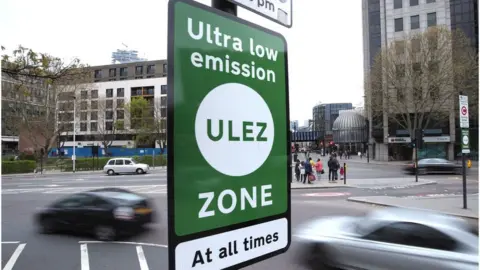
London’s controversial Ultra Low Emission Zone (ULEZ) has officially expanded today, sparking heated debate across the capital. The scheme, introduced to reduce air pollution, now covers all London boroughs, making it one of the largest clean air zones in the world.
Mayor Sadiq Khan defended the expansion, saying it is a “vital step for public health and environmental protection.” However, motorists and some local councils have voiced strong opposition, calling the move unfair during a cost-of-living crisis.
What is ULEZ?
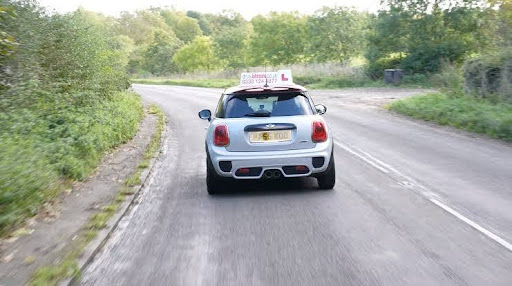
The ULEZ policy requires drivers of older, more polluting vehicles to pay a daily charge if they drive within the designated zone. The fee is £12.50 per day for cars, motorcycles, and vans that fail to meet emissions standards. Larger vehicles, such as lorries and buses, face even higher charges.
Initially launched in central London in 2019, the scheme expanded to the North and South Circular roads in 2021. Today’s expansion now includes all London boroughs, meaning millions of drivers could be affected.
Support for the Expansion
Supporters of ULEZ argue that it will drastically improve air quality, particularly in outer boroughs where pollution levels have remained high. Health experts point out that air pollution is linked to thousands of premature deaths each year in London.
Environmental groups have praised the expansion as a bold step toward meeting climate targets. They argue that while the scheme may be inconvenient, the long-term benefits to health and the environment outweigh short-term costs.
Opposition and Criticism
Not everyone is convinced. Motorists’ groups and some residents in outer boroughs say the policy unfairly penalises those who rely on cars for work, especially tradespeople and low-income families who cannot afford newer vehicles.
Several local councils have challenged the expansion in court, though these attempts have so far been unsuccessful. Critics also argue that public transport alternatives in outer boroughs are not sufficient to replace car travel.
Economic and Social Impact
The expansion is expected to generate significant revenue for Transport for London (TfL), which has faced financial difficulties in recent years. However, opponents claim that the scheme functions more as a “stealth tax” than an environmental initiative.
Some small business owners worry about rising operational costs, as many rely on older vans for deliveries and services. The added daily charge could eat into already thin profit margins.
The Mayor’s Response
Mayor Khan has stood firm, insisting that the policy is about saving lives and creating a healthier future for Londoners. He highlighted data showing significant reductions in harmful nitrogen dioxide levels in areas where ULEZ has already been implemented.
He also announced a £110 million scrappage scheme to help low-income families and small businesses replace non-compliant vehicles with greener alternatives.
Looking Ahead
As the policy comes into force, its true impact will become clearer in the coming months. Environmental campaigners believe it will set a precedent for other UK cities considering similar clean air zones.
For now, the debate continues. On one side are those who welcome the cleaner air and improved public health outcomes; on the other, residents and workers who feel the scheme adds an extra financial burden during already difficult times.