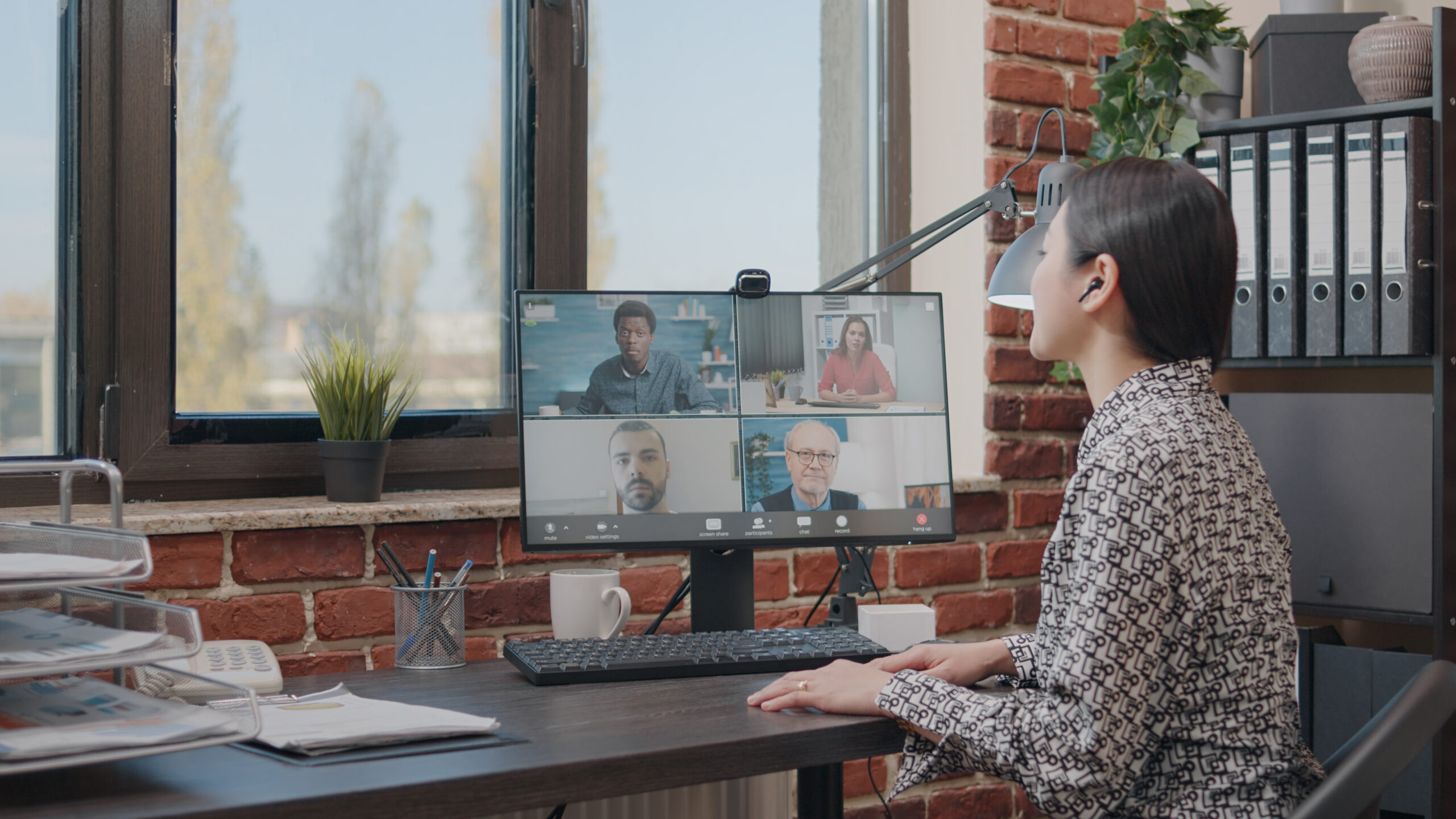
Hybrid meetings are now common in UK workplaces, providing the flexibility that many teams need. But, 80% of employees report wasting time due to technical issues during online or hybrid meetings.
With the right strategies, we can overcome these challenges and make meetings more inclusive and productive.
When meetings don’t run smoothly, productivity drops and morale suffers. But what if we could make every hybrid meeting more engaging and efficient?
Let’s explore some practical tips to improve your hybrid meetings.
Key Tactics for Effective Hybrid Meetings
Here are a few key tactics that you must know for effective hybrid meetings:
- Start with Purpose and Cut the Waste
According to Harvard Business Review (2024), about one-third of meetings may not be required. Many workers report that poorly organised or unnecessary meetings reduce their focus time. This is a common problem in numerous UK workplaces. Unproductive meetings can waste time and money, often leading to lower employee morale.
To avoid these issues, start by ensuring every meeting has a clear purpose. Before you schedule a meeting, ask yourself:
- Is this the best way to discuss the topic?
- Does anyone need to attend, or can some people handle this work on their own?
- What do we hope to achieve?
Planning is critical for a productive meeting. Create a short agenda and follow it closely. Focused, shorter meetings usually lead to better outcomes.
- Focus on Human Factors in Hybrid Settings
Human factors are crucial for the success of hybrid meetings. They usually determine whether the meeting is successful or not. A study on hybrid meetings emphasises the importance of clear communication, high-quality audio, and visual cues.
Here’s how to ensure everyone, whether in the room or joining remotely, feels involved:
- Turn-Taking: Encourage everyone to speak and do not interrupt. This helps both in-person and remote participants feel heard and valued.
- Audio & Microphone Positioning: A common problem in hybrid meetings is bad sound quality. Ensure microphones are positioned correctly, especially for remote participants.
- Ambient Noise and Visual Cues: Keep ambient noise to a minimum. Remote workers should be in quiet areas, and in-person participants should mute their microphones when they’re not speaking. Make sure cameras are positioned so remote workers can see body language and gestures.
Remember that remote attendees should have the same understanding and chances to partake as those who are in the room.
- Fix the Tech Integration Gaps
It’s easy to forget how important technology is, but poor tech use is a primary reason meetings fail. Problems like broken microphones or old software can spoil even the best meetings.
“Meetings only work when everyone, in-room or even remote, can contribute fully,” say workplace tech specialists at Bridgehampton, an IT partner helping UK workplaces integrate modern AV and Microsoft 365 solutions. “We are seeing a shift away from cobbled-together setups toward tailored systems that remove friction and support real collaboration.”
To make sure your technology works perfectly, invest in a setup that facilitates smooth collaboration. Avoid using equipment that doesn’t work well together or outdated tools that can be frustrating. Purchase high-quality microphones, cameras, and systems that enable both remote and in-person participants to share screens, communicate easily, and collaborate seamlessly.
- Encourage Active Participation from Everyone
In a hybrid meeting, it’s important that everyone feels valued. This is especially true for participants, who might sometimes feel lonely. To make sure that all voices are heard, follow these steps:
- Nominate a Facilitator: A facilitator plays a key role in ensuring that everyone participates equally. They can help keep the discussion on track, remind people of the agenda, and encourage silent participants to speak up.
- Rotate Chairing: Give different team members a chance to lead meetings. This helps break the routine and makes everyone feel responsible for the meeting’s success.
- Use Tools Like Polls and Breakout Process: Utilise the tools available in your meeting platform, such as polls, breakout rooms, or interactive features. These tools motivate remote participants to engage, creating a vibrant atmosphere for everyone involved.
By guaranteeing equal participation, you build trust among team members, increase engagement, and transform hybrid meetings into genuine collaborative efforts.
- Build Meeting Culture for the Long Term
To achieve long-term success with hybrid meetings, it is essential to cultivate a strong meeting culture, rather than focusing solely on every meeting as it comes in. Having consistent practices and standards will help your meetings run smoothly over time. Here are some steps to create that culture:
- Establish Hybrid Etiquette: Set clear rules for meetings. This includes the following: taking turns, muting microphones when not speaking, and using video whenever possible.
- Model Best Practices: Leaders should lead by example. They should arrive on time, stay focused, and encourage participation, creating a positive environment for everyone.
- Training: Train employees on how to use meeting tools effectively and how to act professionally in a hybrid setup.
Ultimately, fostering a meeting culture that values both in-person and remote input will lead to a more effective and collaborative work environment.
Conclusion
When conducted correctly, hybrid meetings can boost teamwork rather than frustrating participants.
By focusing on people and utilising reliable technology, UK teams can host engaging hybrid meetings that enhance productivity and inclusion.
With the right strategies, hybrid meetings can help you create a more connected and efficient work environment.
Keep an eye for more latest news & updates on Daily!