Nepal is one of the world’s most iconic trekking destinations. From legendary Himalayan routes to remote cultural trails, the country offers unmatched variety for adventure travelers. But planning a trek in Nepal is not just about choosing a trail. One of the most important decisions you will make is selecting the right trekking agency.
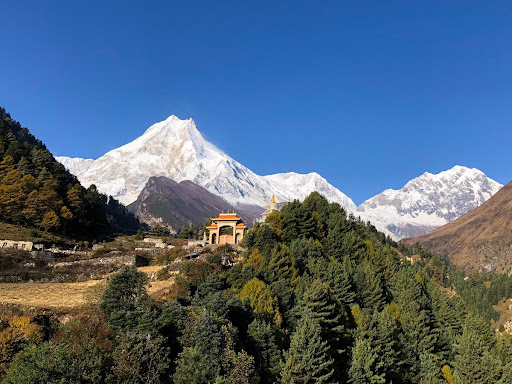
For many trekkers, especially first-time visitors planning iconic routes like the Manaslu Circuit Trek, Nepal’s trekking industry can feel confusing. Hundreds of agencies promise similar experiences.
Websites look polished. Prices vary widely. Reviews sometimes contradict each other. Making the wrong choice can lead to poor logistics, safety concerns, or disappointing experiences in the mountains.
A good trekking agency does much more than arrange permits and accommodation. It manages safety, supports local communities, ensures ethical practices, and shapes how smoothly your journey unfolds.
The right agency can turn a challenging trek into a rewarding and memorable experience. The wrong one can create stress where there should be confidence.
This guide explains how to choose the best trekking agency in Nepal step by step. It focuses on practical criteria, real-world considerations, and clear warning signs. Whether you are planning a classic trek or a remote Himalayan route, this article will help you make an informed and confident decision.
Understand Your Trekking Goals First
Before comparing agencies, you need clarity about what you want from your trek. Different agencies specialize in different types of trekking experiences.
Some agencies focus on popular routes with fixed itineraries and group departures. Others specialize in tailor-made treks, remote regions, or technical mountaineering. Your expectations should guide your choice.
Consider the following questions carefully:
Are you trekking solo, as a couple, or in a group? Do you prefer a private trek or a group trek? Is this your first high-altitude trek, or do you have prior experience? Are you interested in cultural immersion, adventure, or comfort-focused trekking? Do you want a flexible itinerary or a fixed schedule?
When you understand your goals clearly, it becomes much easier to evaluate whether an agency is the right fit. A good agency will ask you these questions upfront instead of pushing a one-size-fits-all package.
Verify Legal Registration and Government Authorization
One of the most important steps is confirming that the trekking agency is legally registered in Nepal. A legitimate agency should be registered with the Nepal government and authorized to operate trekking services.
Key registrations to look for include registration with the Office of Company Registrar in Nepal, membership with the Trekking Agencies’ Association of Nepal (TAAN), and VAT or tax registration.
TAAN membership is particularly important. While not all good agencies are members, TAAN membership indicates that the company follows industry standards and is accountable to a regulatory body.
You should never hesitate to ask an agency directly about their registration. A professional agency will answer clearly and provide proof if needed.
Evaluate Experience and Track Record
Experience matters greatly in Nepal’s trekking environment. The Himalayas are unpredictable, and agencies with long-term experience handle challenges more effectively.
Look at how long the agency has been operating. Agencies with many years of experience often have stronger local networks, better-trained staff, and tested contingency plans.
Beyond years in operation, examine their trekking history. Do they regularly operate the trek you are planning? Have they handled treks in different seasons? Do they have experience with altitude-related issues and emergencies?
An experienced agency will not exaggerate conditions or downplay risks. Instead, they will explain challenges honestly and prepare you properly.
Assess Guide and Staff Quality
Your trekking guide plays a central role in your experience. A knowledgeable, responsible guide can make your trek safer, more enjoyable, and more culturally enriching.
Ask the agency about their guides. Are the guides licensed by the Nepal government? Do they have first-aid or wilderness medical training? How much trekking experience do they have? Are they fluent in English or your preferred language?
Porters are equally important. Ethical agencies ensure that porters are properly equipped, insured, and not overloaded. Ask about porter weight limits, clothing provisions, and working conditions.
A responsible agency will be transparent about how it treats its staff. If an agency avoids these questions, consider it a red flag.
Review Safety Standards and Emergency Planning
Safety should never be an afterthought when choosing a trekking agency in Nepal. High altitude, weather changes, and terrain risks require careful planning.
Ask detailed questions about safety procedures. How does the agency monitor altitude acclimatization? What is their protocol for altitude sickness? Do guides carry first-aid kits and emergency communication devices? How do they handle evacuation if needed?
Reputable agencies plan itineraries that allow proper acclimatization days. They do not rush clients to meet unrealistic schedules.
Emergency preparedness is a sign of professionalism. Agencies should have clear evacuation procedures and experience coordinating with helicopter services when necessary.
Understand What Is Included in the Cost
Price alone should never be the deciding factor. Extremely cheap treks often cut corners that affect safety, staff welfare, or service quality.
Carefully review what the quoted price includes. Trekking permits and government fees, guide and porter services, accommodation during the trek, meals during trekking days, transportation to and from trailheads, and insurance for guides and porters should be clearly listed.
Also ask what is not included. Common exclusions may include personal insurance, tips, drinks, or charging fees at lodges.
A professional agency provides a clear and detailed cost breakdown. Transparency builds trust and helps avoid misunderstandings later.
Compare Group Size and Trek Style
Different agencies operate with different group sizes and trekking styles. Group size affects pace, flexibility, and overall experience.
Large group treks can be more affordable but less flexible. Smaller groups or private treks allow more customization and personal attention.
Ask about maximum group size, guide-to-client ratio, and flexibility to adjust pace or itinerary if needed.
If you value a quieter experience or have specific fitness considerations, smaller groups are often better. The best agency will recommend the right format based on your needs, not just their operational convenience.
Look at Reviews With a Critical Eye
Online reviews are useful, but they need careful interpretation. Look for patterns rather than isolated comments.
Pay attention to reviews that mention guide professionalism and safety handling, communication before and during the trek, transparency in pricing, and how problems were handled.
Be cautious with agencies that have only perfect reviews or vague praise without details. Genuine reviews often mention both strengths and small challenges.
If possible, ask the agency to connect you with past clients. Reputable companies are usually happy to do this.
Evaluate Communication and Responsiveness
How an agency communicates before you book often reflects how they will operate during your trek.
A good agency responds promptly, answers questions clearly, and does not pressure you to book quickly. They should be willing to adjust itineraries and explain options patiently.
Notice whether the agency provides clear written information, answers specific questions directly, and gives realistic advice instead of sales-driven promises.
Strong communication builds confidence and indicates professional management.
Check Ethical and Responsible Tourism Practices
Responsible trekking agencies support local communities and minimize environmental impact. This matters both ethically and practically, as sustainable practices help preserve trekking regions.
Ask about fair treatment and wages for staff, support for local lodges and suppliers, waste management practices, and cultural sensitivity guidelines.
Agencies that operate responsibly tend to have stronger local relationships, which improves logistics and guest experience.
Understand Flexibility and Customization Options
Not all trekkers want the same experience. The best trekking agencies in Nepal offer customization without unnecessary complexity.
Ask whether the agency can adjust trek length or pace, add rest days if needed, combine trekking with cultural tours, or modify accommodation options where possible.
Flexibility is especially important for private treks or travelers with specific interests or physical considerations.
Avoid Common Red Flags
Some warning signs should make you pause or walk away entirely.
Be cautious if an agency offers prices far below market average, avoids discussing safety or insurance, cannot clearly explain guide qualifications, pushes quick payment without clear documentation, or makes unrealistic promises about difficulty or conditions.
Trust your instincts. Professional agencies welcome informed clients and honest discussions.
Ask the Right Questions Before Booking
Before finalizing your decision, ask a few direct questions. Who will be my guide, and what is their experience? What happens if I need to stop or change plans? How are emergencies handled? What support is available during the trek?
The way an agency answers these questions often tells you more than any brochure or website.
Conclusion
Selecting the best trekking agency in Nepal is a critical decision that impacts the quality, safety, and enjoyment of your trek. The right agency listens to your needs, prepares you properly, and ensures a seamless experience from start to finish. They prioritize safety, treat guides and porters ethically, and communicate clearly at every stage.
Agencies like Ace the Himalaya have a strong track record in organizing treks across Nepal, from popular routes to challenging expeditions. By choosing a reputable agency, you can focus on the journey, immerse yourself in Nepal’s breathtaking landscapes, and enjoy your adventure with confidence and peace of mind. Take the time to research, ask questions, and select an agency that aligns with your goals and expectations.
Keep an eye for more latest news & updates on Daily!