Design is often thought of as purely visual—a matter of color palettes, lines, and shapes. While these elements are undeniably critical, they only tell part of the story. According to Exceptional Property Management solutions, the way a space or object feels, both physically and visually, plays an equally significant role in how we experience it. This is where texture and material choice come into play.
Defining Texture in Design
Texture refers to the surface quality of a material. It dictates how a surface looks and feels, adding depth and dimension to what might otherwise be a flat design. To use texture effectively, it is helpful to distinguish between its two primary forms: tactile and visual.
Tactile Texture
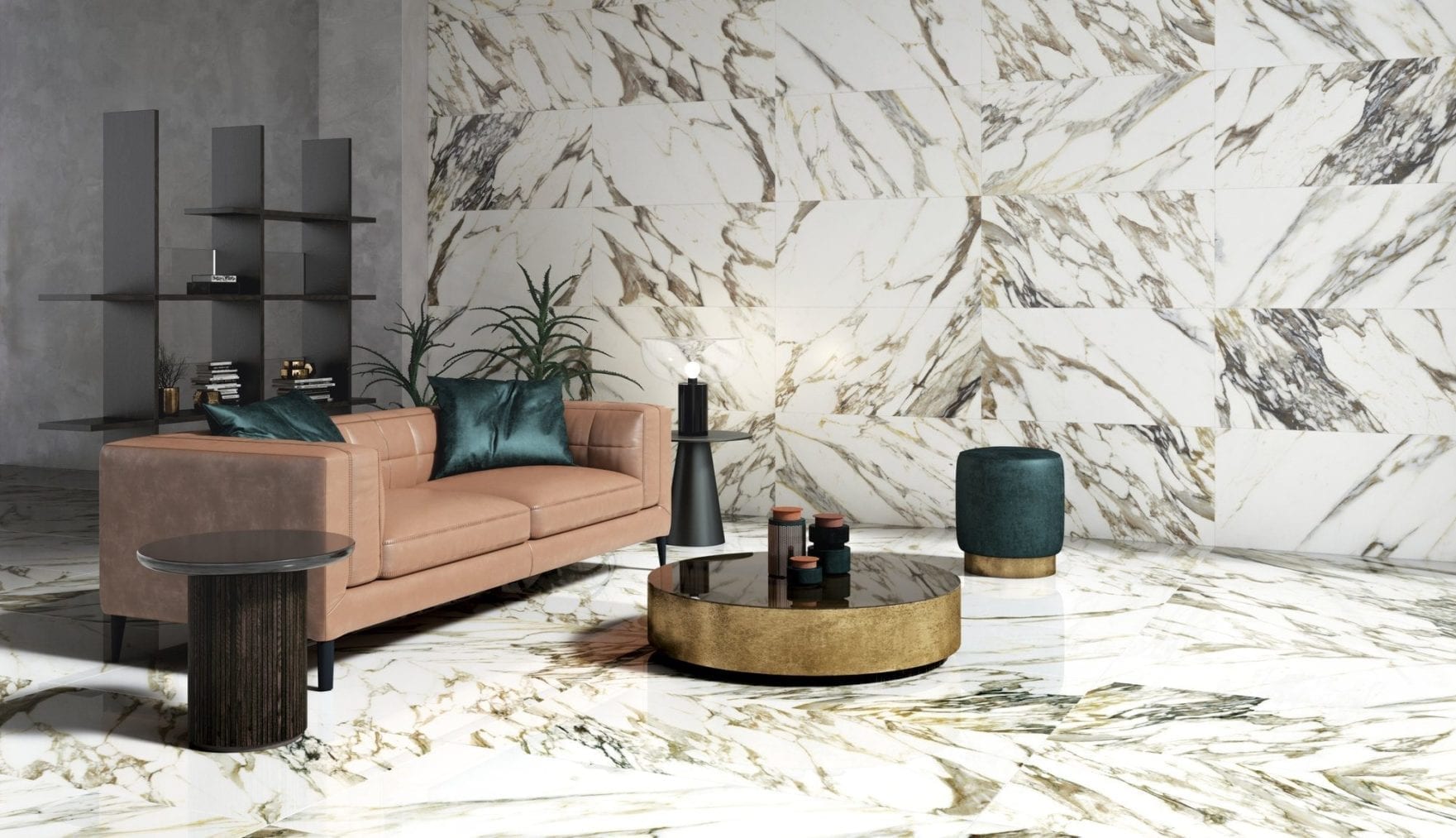
Tactile texture is physical. It is what you feel when you run your hand across a surface. It is the roughness of a brick wall, the softness of a velvet sofa, or the cool smoothness of a marble countertop.
In interior design and architecture, tactile texture impacts comfort and utility. For instance, high-traffic flooring needs a texture that provides grip, while a cozy reading nook benefits from soft, plush fabrics that invite relaxation. Tactile elements ground us in the physical world, making a design feel “real” and substantial.
Visual Texture
Visual texture is an illusion. It is the impression of texture created on a smooth surface through pattern, color, or light. Think of a faux-finish wall that looks like aged plaster but feels smooth to the touch, or a laminate floor that mimics the grain of hardwood.
Visual texture is a powerful tool for adding interest without adding bulk or physical roughness. It allows designers to create a mood—such as the rustic warmth of wood or the industrial grit of concrete—in spaces where the actual materials might be impractical or too costly.
Material Choices and Their Impact
Materials are the building blocks of design. Each material carries inherent characteristics—weight, temperature, reflectivity, and durability—that influence the overall aesthetic and atmosphere of a project.
Wood: Warmth and Organic Connection
Wood is perhaps the most versatile material in design. Its natural grain patterns and warm tones foster a sense of connection to nature. Light woods, like maple or birch, can make a room feel airy and Scandinavian, while dark woods, like mahogany or walnut, add a sense of tradition and gravity.
Beyond aesthetics, wood has acoustic properties that soften sound, making it ideal for large living spaces or offices. It introduces an organic element that softens the hard lines of modern architecture.
Metal: Strength and Modernity
Metal brings sleekness and industrial energy. It is often associated with strength, durability, and cleanliness. However, the specific type of metal changes the narrative.
- Stainless Steel and Chrome: These reflect light and create a sense of hygiene and futuristic precision. They are staples in modern kitchens and commercial spaces.
- Brass and Copper: These warmer metals add a touch of luxury and vintage charm. They develop a patina over time, adding character.
- Iron and Steel: Often used in industrial styles, these materials provide structural weight and visual grounding.
The process of metal fabrication, such as those offered in Utah, allows for incredible customization, enabling designers to create intricate screens, custom furniture frames, or architectural features that serve as the focal point of a room.
Glass: Transparency and Light
Glass blurs the boundaries between inside and outside. It is the material of openness. By allowing light to pass through, glass makes small spaces feel larger and connects interiors with the surrounding environment.
Textured or frosted glass adds a layer of complexity, offering privacy while still transmitting light. In furniture, glass adds function without visual weight, preventing a room from feeling cluttered.
Fabric: Softness and Acoustics
Textiles are the softening agents of design. They introduce color, pattern, and comfort. Heavy drapes can make a room feel enclosed and intimate, while sheer curtains suggest breeziness and informality.
Fabrics also play a crucial functional role in sound absorption. In open-plan offices or homes with high ceilings, rugs, upholstery, and wall hangings reduce echoes, making the space acoustically comfortable.
Trends in Texture and Material
Design trends are constantly evolving, often reflecting broader societal shifts. Currently, there is a strong movement toward authenticity and sustainability.
Biophilic Design and Natural Materials
As people spend more time indoors, there is a growing desire to bring the outdoors in. This has led to a surge in the use of raw, unprocessed materials. Stone with natural fissures, unvarnished wood, and living walls with houseplants are becoming commonplace. This trend prioritizes materials that age gracefully and tell a story.
The Return of Maximalist Textures
After years of sleek minimalism, richness is returning. Designers are layering textures to create cozy, lived-in environments. Bouclé fabrics, fluted wood detailing, and textured wallpapers are popular choices. This “more is more” approach uses texture to create visual interest rather than relying solely on color.
Sustainable and Recycled Synthetics
Innovation is driving a new wave of eco-conscious materials. Recycled plastics are being transformed into durable furniture and tiles. Mushroom leather and pineapple fiber are replacing animal products in upholstery. These materials offer new textural possibilities while addressing the urgent need for sustainable design practices.
Practical Tips for Designers
Mastering texture and material requires balance. Here are several strategies to employ in your next project.
1. Contrast is Key
A room full of smooth, shiny surfaces can feel sterile and cold. Conversely, a space with too many rough, heavy textures can feel cluttered and oppressive. The magic lies in the mix. Pair a sleek lacquer table with a nubby wool rug. Place a smooth leather armchair against a rough brick wall. Contrast highlights the unique qualities of each material.
2. Consider Lighting
Light dictates how texture is perceived. Direct, harsh light flattens texture, while angled or ambient light accentuates it. If you have a textured feature wall, use wall-grazing lighting fixtures to highlight the peaks and valleys of the surface.
3. Layer for Longevity
Trends fade, but well-layered textures tend to age well. Start with a neutral base of timeless materials—wood flooring, stone countertops—and layer in trendier textures through accessories like throw pillows, rugs, and art. This allows the design to evolve without requiring a full renovation.
4. Think About Functionality
Never sacrifice function for form. A high-pile rug might look luxurious in a bathroom, but it is impractical for moisture. A polished marble floor is beautiful but can be slippery and cold. Always choose materials that suit the specific demands of the space and the lifestyle of its users.
Conclusion
Design is a multisensory discipline. While color and shape catch the eye, it is the texture and material that hold the attention and determine how a space feels to live in. By carefully selecting materials—from the warmth of wood to the precision of metal—and understanding the nuances of tactile and visual texture, you can elevate any environment.