When evening settles over the Baltic coast or weekend mornings arrive with their promise of escape, Lithuanians turn to a rhythm of life that pulses between ancient traditions and modern pursuits. The way people here spend their leisure hours tells a story deeper than simple recreation. It reveals a connection to the land that survived centuries of occupation, a passion for sport that became a form of resistance, and a commitment to community that transforms ordinary moments into celebrations. The range of free time ideas encompasses both traditional countryside activities and contemporary urban entertainment, creating a diverse landscape where nature and culture intertwine.
This small nation excels in distinctive forms of entertainment that set it apart from its European neighbors, including basketball spectating, countryside tourism with traditional activities, and scenic hot air balloon flights. The choices people make about how to spend their precious free hours reflect values passed down through generations. Whether gathering mushrooms in autumn forests, cheering in packed arenas, or soaking in wooden saunas under starlit skies, Lithuanians approach leisure with the same intensity they once reserved for preserving their identity through darker times.
The Second Religion Takes Center Stage
Basketball holds such significance in Lithuanian culture that citizens regularly describe it as their priority interest sport, with the game frequently nicknamed as the “second religion” of Lithuania. Nearly 41% of the population watched the 2015 EuroBasket final between Lithuania and Spain, making it the most watched event of the 21st century in the country. This devotion goes far beyond casual fandom.
The love affair with basketball began during the interwar period when Lithuanian expats living in the United States brought the game back to their homeland, and the national team’s victories in the 1937 and 1939 European championships caused the sport’s popularity to skyrocket. During the main sporting events where Lithuanians participate, fans express their support by displaying national flags on their cars, transforming the streets into moving celebrations. The most followed matches include the national team championships held every year, as well as the fierce rivalry games between Vilnius Rytas and Kaunas Žalgiris, which take place dozens of times each season across different leagues.
Nature as Playground and Sanctuary
Urban Lithuanians maintain a strong fondness for natural recreation, with foraging for mushrooms and berries, fishing, and hunting remaining traditional forms of entertainment. Many weekends, Lithuanians leave cities and head to nature for kayaking, swimming, fishing, and berry or mushroom picking. The five national parks serve as gateways to Lithuanian nature, where roaming remains generally free from restrictive private property signs due to legal limitations. This accessibility reflects a deep cultural belief that nature belongs to everyone.
Countryside tourism has become particularly authentic and popular, with converted or purpose-built farmsteads offering traditional experiences such as saunas, outdoor hot water baths, lakeside beaches, and farm animal contact, while some provide more elaborate entertainment including horse riding, fishing ponds, and boat rentals. The fact that Lithuania was urbanized relatively recently gives both authenticity and local popularity to these countryside experiences. Some rivers attract kayakers while lakes offer swimming opportunities, and the five national parks feature campsites, nature attractions, kayaking tours, and marked bike and hiking routes. Lithuania ranks fifth in Europe with about 6,000 lakes, meaning roughly one lake per 450 Lithuanians.
Festivals That Bridge Past and Present
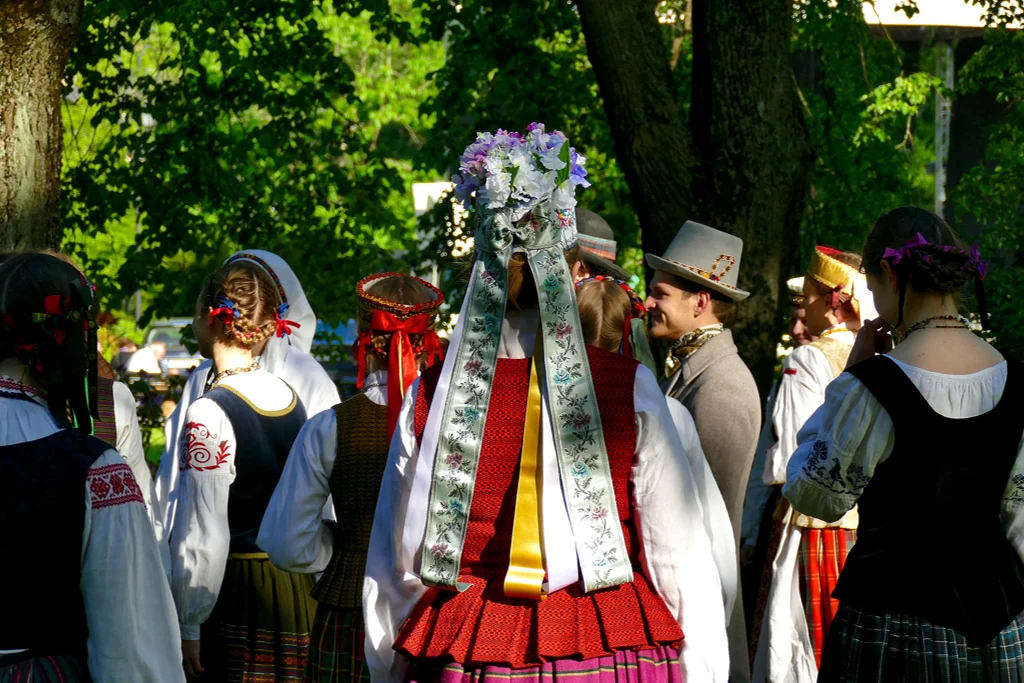
Celebrated on June 23-24, Joninės marks the summer solstice and draws from deep pagan roots, featuring wreath-making, folk dancing, singing, bonfire jumping, and the search for the mythical blooming fern. The spiritual themes of fertility, purification, and the power of nature remain central to this ancient Lithuanian tradition, with locals and tourists gathering in forests and lakesides for this deeply immersive cultural event. These celebrations are not museum pieces but living practices.
Shrove Tuesday, known in other parts of the world as Fat Tuesday or Mardi Gras, celebrates the last day of feasting before fasting for Easter while also symbolizing the end of winter and the welcoming of spring. The festival’s most prominent feature includes traditional hand-carved wooden masks, with people traveling to each neighbor’s house to share pancakes, potato dumplings, and other treats from Lithuanian cuisine, culminating in the burning of a straw effigy called More that represents the clash between winter and spring. Another significant event, Užgavėnės, features masquerade processions, folk plays, and the burning of an effigy symbolizing winter.
Urban Energy and Cultural Pursuits
Traditional culture including theaters, opera, and concert halls concentrates in city downtowns, with theater plays mostly performed in Lithuanian while music offerings lean more international. The best nightlife thrives in the downtowns of Vilnius and, to a lesser extent, Kaunas and Klaipėda. The cities offer a different tempo from countryside retreats but maintain their own authentic character. On weekends, walking around parks without a particular goal proves popular in summer, while in winter such strolls are mostly confined to shopping malls.
New forms of recreation imported from the west emerged in the 2000s, and while until then traditional forms of entertainment prevailed, the number of entertainment types has mushroomed, with Lithuania now offering nearly everything popular in either Western or Eastern Europe. Flying remains a hobby for relatively many Lithuanians, with a network of aeroclubs offering airplane and balloon scenic flights and parachute jumps, and Lithuania ranks among world leaders in per capita hot air balloon numbers with largely unrestricted flights. This unusual passion for taking to the skies reflects the Lithuanian spirit of reaching beyond limitations.
Where Sea Meets Sand
In the seaside resorts, opportunities exist for boat trips to the sea or the Curonian Lagoon, and visitors can rent water bikes, though sunbathing remains the main activity for tens of thousands of resort visitors as the beaches are all sandy, wide, and free to use. The democratic access to these natural spaces ensures that leisure remains available to all economic levels. The Curonian Spit, recognized as a UNESCO World Heritage Site, features stunning beaches, pine trees, and fishing settlements, making it ideal for hiking, cycling, and birdwatching. Thousands of Lithuanians spend their summer holidays at places like Palanga beach, which becomes extremely crowded on hot and sunny summer days.
After big storms, it becomes possible to find amber on the beaches, especially in winter, and this ancient material traditionally used in jewelry can be seen at museums that also sell crafts and products by local makers. The hunt for these golden treasures adds an element of discovery to beach walks, connecting modern beachgoers to centuries of Baltic tradition. The wooden pier at Palanga stretches far into the sea and has become a beloved spot for watching sunsets, with crowds gathering on summer evenings and weekends.
The patterns of Lithuanian leisure reveal a people who refuse to choose between honoring their past and embracing their present. Hospitality serves as a cornerstone of Lithuanian culture, with locals warmly embracing visitors and preserving traditional crafts such as intricate woodcarvings and vibrant woven textiles that showcase the country’s artistic prowess. Sharing food and drink remains an important part of social gatherings, fostering a sense of camaraderie and connection among friends and family, with Lithuanians appreciating good food and conversation while taking their time to savor each course.
What emerges from observing how Lithuanians spend their free time is not a simple list of activities but a portrait of resilience and joy. Whether through grandiose processions, fairs, songs, and dances that accompany celebrations, or through the quiet acts of gathering berries in ancient forests, residents demonstrate that old traditions remain vibrantly alive today. The weekends and evenings here pulse with a particular energy, one that knows the value of freedom because it was once denied, that understands the importance of community because survival once depended on it, and that celebrates life with an intensity born from difficult history transformed into hopeful present.
Keep an eye for more latest news & updates on Daily!