Imagine: you’re watching game footage of your latest team. Instead of merely pointing out missed shots and defensive lapses, you note specific teachable moments that might change the player’s perspective on the game. Game footage was made for review but has since evolved into a forceway for speeding up the development of the players—the opportunity that many coaches simply do not exploit.
Game video is often the last component in player and team development nowadays with highly competitive athletics. Let’s look at some handy tips you can implement and start turning hours of footage into breakthrough moments for your athletes.
Purpose-Driven Analysis Should Come First
The best coaches don’t just watch film—they analyze it with surgical exactness. Before you hit play, set expected objectives for each viewing. Are you honing in on defensive rotation, offensive spacing, or individual skill development? A specific purpose converts passive watching into an active learning capacity.
Set up curated viewings throughout the week, so Monday reviews transition play, Wednesday half-court execution, and Friday situational basketball. As much as this will give your players a deeper understanding of various aspects of the game, it will also keep them engaged and focused.
Create Player-Specific Learning Moments
One of the biggest hindrances in coaching is when film is treated as the same for all players. Point guards need different insights than centers, and veterans require different feedback than rookies. Make an effort to customize that approach: give them languaged packets expressing their specific contributions, mistakes, and potentialities for growth.
Focus on one or two things with younger players during sessions. It doesn’t help to overwhelm them with information. With more experienced players, you can go further into strategic variables and paint a picture so that they can see how their decisions impact team dynamics.
Greater Use of Technology Means Greater Engagement
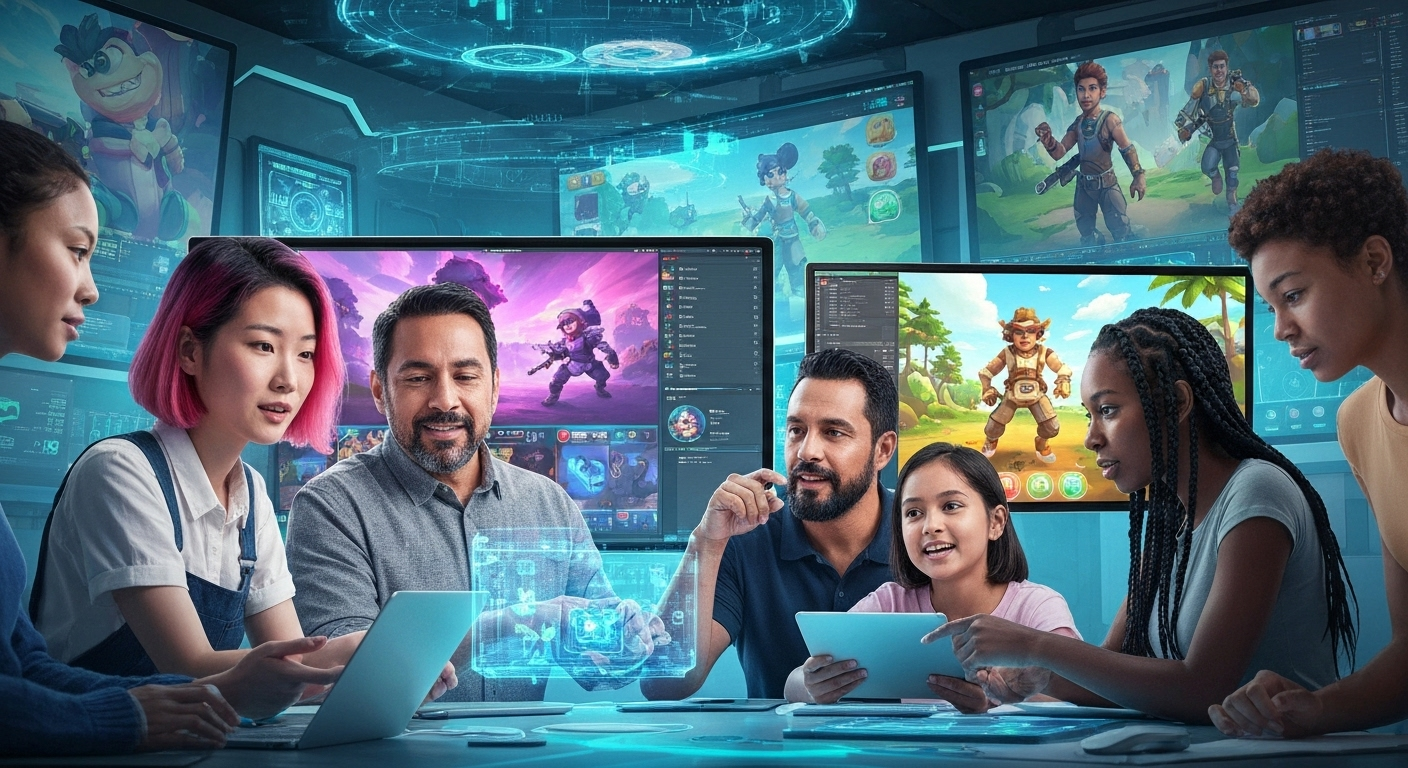
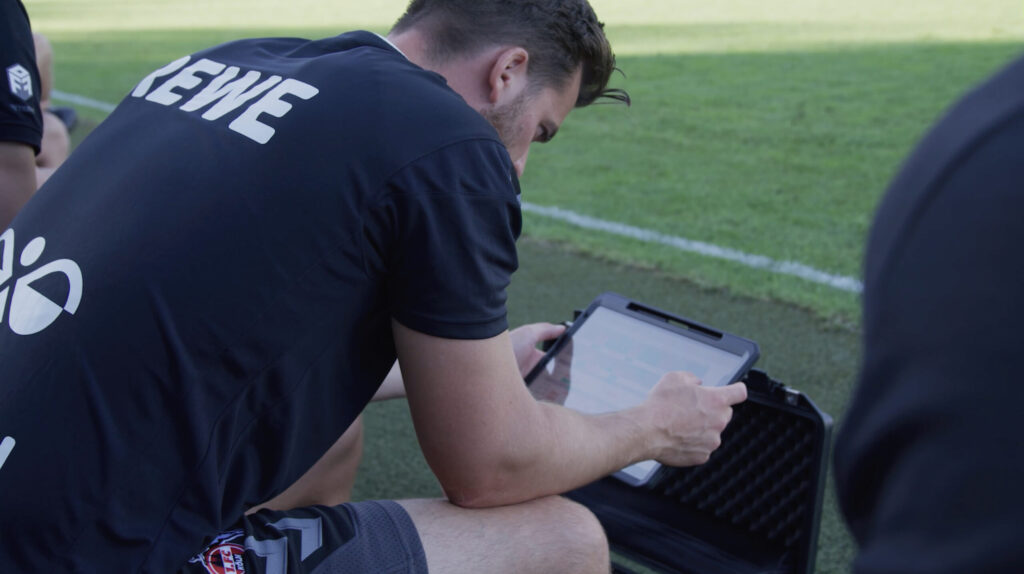
Modern coaching requires modern tools. Those old film rooms still have their place, but the innovative coaches are embracing technology to make video analysis more engaging and interactive. An interactive touchscreen record board or similar digitalized solution could convert an otherwise static film session to an interesting learning experience where players actively take part in breaking down the plays.
Players can draw on the screens, highlight specific movements, and script their analysis notes through the help of these technological innovations. When players become cast in active roles instead of passive, retention and comprehension soar.
Always Analyze the “Why” of Every Play
Too many coaches focus on what went wrong without explaining why. Instead of telling “fly to position,” describe to your players the decay in the motor sequence that made that mistake, were players communicating poorly? Did a person miss a defensive assignment? How was the spacing arranged?
By correlating action to consequence, you are able to further develop their basketball IQ far beyond the play being analyzed. Players begin to recognize patterns and make improved real-time decisions on the court.
Use Positive Examples as Teaching Tools
Mistakes have an emphasis; and rightfully so, but this emphasis is only half of the picture. When players spot themselves making the right choice and carrying it out properly, it reinforces good behavior and builds confidence. Try putting together a highlight reel of some of your best moments throughout the season and use those clips to introduce new concepts.
Such a positive approach works best with younger players, who could get discouraged if they had never been praised. It’s all about balance: put things right when they err but celebrate things enthusiastically when they do well.
Keep it Interactive and Collaborative
The best film sessions sound more like conversations and less like lectures. Encourage players to ask questions, offer their point of view, and describe their thought process during various plays. What appears to be a mistake often makes perfect sense once the player’s perspective is known.
Allow for an open and comfortable environment where players can discuss what they were thinking during those crucial moments. This dialogue will foster an understanding of their decision-making process and give you the opportunity to guide them toward better basketball instincts.
Apply Immediately
Film study shouldn’t just exist for its own sake. The most effective coaches link video analysis and practice activities directly. In other words, after you spend Tuesday on film sessions on pick-and-roll defense, dedicate Wednesday’s practice to drilling those very concepts.
Immediate implementation will firmly lock into the minds of players the lessons learned during the film study and will then transition theoretically into practice. The sooner you solve the puzzle of seeing and doing for them, the better becomes the core of your development program.
Track Progress Over Time
Don’t just analyze individual games—track player development over extended periods. Put together comparison videos of a player’s growth between early season and mid-season, showing marked improvements in technique, decision-making, or positioning.
This type of approach will work for you in two ways: it will help identify long-term trends and patterns, while giving powerful motivation to the players who will be able to actually see their improvement over time.
Conclusion
Finding fault is easy, but game footage is much more than an instrument to criticize. It can serve as a development accelerator to generate a different perception of the game within your player. Through purposeful analysis, interactive digital solution technology, analyzing the “why” of every situation, and making the learning experience interactive, players could be raised and brought up in ways no ordinary coach has ever done.
The question is: why aren’t you using your game video more effectively, and how quickly are you gonna put these approaches to use for your team? Player development hangs on it, and on-court results will justify the choice.
What is your biggest challenge when it comes to film studies with your team? Do share your experiences, and let’s get this conversation going on how to enhance player development via video analysis.