Introduction to Labeling Solutions
What Are Labeling Solutions?
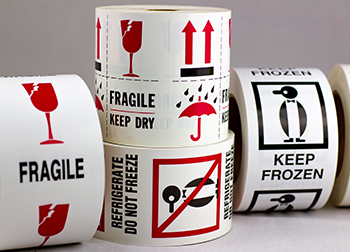
Labeling solutions discuss with the structures, tools, and technologies designed to create, print, and follow labels to diverse merchandise, packaging, and packing containers. They can variety from easy guide labeling gadgets to superior automatic machines powered by digital generation. Labels themselves are more than simply stickers; they bring critical data which include product identity, elements, expiration dates, barcodes, branding, and compliance info.
At their middle, labeling solutions act as a bridge among organizations and customers. For example, in the meals industry, labels make certain transparency by using informing clients approximately nutritional content, allergens, and shelf life. In pharmaceuticals, labels speak dosage commands and warnings that directly affect customer safety. Even in logistics, labels help music items throughout the supply chain, ensuring accuracy and lowering errors.
In today’s fast-paced marketplace, labeling solutions have become vital not only for product identification however additionally for boosting efficiency, ensuring compliance, and reinforcing logo identity. Whether you’re a small store or a multinational corporation, enforcing the proper labeling solution can streamline operations and decorate your common enterprise increase.
Why Labeling Is Essential in Today’s Market?
Labeling is not pretty much setting a call on a product. It’s a multifaceted necessity that influences logo agree with, legal compliance, and purchaser satisfaction. Customers assume transparency and accuracy in product records, and agencies that fail to fulfill those expectations threat dropping credibility.
From a prison attitude, industries like meals, cosmetics, and prescription drugs face strict regulations requiring targeted and accurate labeling. Non-compliance can lead to hefty fines, product recollects, or even prison movement. Beyond compliance, powerful labeling also influences buying selections. A well-designed label grabs interest, communicates cost, and creates an emotional connection with buyers.
Additionally, labeling solutions assist groups optimize their inner operations. Barcode and QR code labels simplify inventory control, even as RFID-enabled smart labels allow actual-time monitoring of merchandise. This ends in reduced errors, better supply chain control, and in the end, higher profitability.
In brief, labeling is both a necessity and an possibility. It protects customers, strengthens brand identity, and complements operational efficiency—making it an crucial a part of current business.
The Evolution of Labeling Solutions
From Handwritten Labels to Smart Labeling Systems
The history of labeling answers is as charming as it is transformative. In the beyond, companies depended on handwritten or manually revealed labels. These techniques had been exertions-extensive, inconsistent, and vulnerable to errors. While suitable for small-scale operations, they couldn’t keep up with the demands of mass production and growing consumer expectations.
With industrialization got here mechanical label printers and dispensers. These gadgets made labeling faster, greater uniform, and much less depending on human errors. Over time, semi-automated and absolutely computerized labeling machines emerged, revolutionizing how products have been packaged and shipped.
Fast forward to today, labeling has entered the virtual age. Smart labels, RFID tags, and QR codes at the moment are not unusual, offering much more than simply product information. They provide traceability, beautify purchaser engagement, and allow real-time updates. For instance, a QR code on a beverage bottle can hyperlink to a video approximately the product’s origin, whilst RFID tags in logistics allow specific inventory monitoring.
The journey from handwritten labels to clever labeling displays the growing want for accuracy, speed, and transparency in current business.
How Technology Transformed Labeling Practices
Technology has turned labeling into a strategic commercial enterprise device. Digital printing allows companies to customise labels with colourful colours, difficult designs, and variable statistics. This has been a recreation-changer for advertising, as brands can now customize packaging primarily based on client alternatives or nearby markets.
Automation has additionally been pivotal. Automated labeling systems can procedure hundreds of labels consistent with hour with pinpoint accuracy. They reduce hard work costs, decrease human error, and make sure consistency across products. Advanced structures even combine with business enterprise software program, taking into consideration actual-time information synchronization and stock control.
Another groundbreaking advancement is sensible labeling. With embedded chips or scannable codes, labels now serve as interactive touchpoints. Consumers can scan a label to verify authenticity, get right of entry to product info, or maybe engage in loyalty packages. This has bridged the gap among offline products and online experiences.
Clearly, technology has improved labeling from a returned-quit necessity to a the front-line device that drives performance, compliance, and purchaser engagement.
Types of Labeling Solutions
Manual Labeling Systems
Manual labeling systems are the maximum basic shape of labeling solutions, often utilized by small companies or startups with confined budgets. These consist of hand-held dispensers and fundamental printing tools that allow operators to manually print and practice labels. While value-effective, they’re hard work-in depth and not suitable for high-volume operations.
However, guide structures nonetheless hold price in unique contexts. For organizations with area of interest or artisanal products, the personalized touch of a hand-carried out label can decorate brand authenticity. Imagine a home made jam jar with a hand-categorised sticky label—it communicates distinctiveness and craftsmanship, appealing to positive client companies.
Despite their simplicity, manual labeling structures can be stronger with current transportable printers that allow for short on-the-cross label printing. For corporations now not equipped to scale up, this answer provides a sensible balance among affordability and functionality.
Semi-Automatic Labeling Machines
Semi-automatic machines offer a middle floor among manual and fully computerized answers. They require human intervention to load products or initiate labeling, but the machine handles the actual utility. This considerably improves speed and consistency as compared to guide techniques.
These machines are ideal for small to mid-sized organizations aiming to enlarge operations without making an investment heavily in fully automatic structures. They are mainly useful for industries like cosmetics, wherein product shapes and packaging vary substantially, requiring adaptable labeling techniques.
The biggest gain of semi-automated labeling is its scalability. Businesses can start with semi-automated machines and improve to completely automated structures as production demands boom.
Fully Automated Labeling Solutions
Fully automatic labeling structures are the gold fashionable for huge-scale operations. These machines combine directly into manufacturing strains, labeling lots of products in line with hour with incredible velocity and precision. Additionally, automatic systems often consist of first-class-manage mechanisms consisting of imaginative and prescient inspection to hit upon misapplied or lacking labels.
While the preliminary investment may be high, the lengthy-time period blessings in performance, hard work financial savings, and compliance frequently outweigh the costs.
Digital and Smart Labeling Options
Digital labeling answers permit for remarkable, customizable printing. They are particularly precious for agencies that need common label updates or personalization, together with seasonal promotions or localized branding.
Smart labeling takes matters a step similarly. Technologies like RFID and QR codes rework labels into interactive tools. RFID permits deliver chain visibility, even as QR codes beautify consumer engagement through linking products to virtual content material.
These current options aren’t just about performance—they’re about growing meaningful interactions between businesses and customers. For example, a wine employer can use QR codes to share vineyard tales, whilst logistics corporations rely upon RFID for actual-time tracking.
FAQs
1. What is the most value-effective labeling solution for small organizations?
Small agencies often gain most from guide or semi-computerized labeling solutions. They require much less prematurely funding and might nevertheless deliver professional results. As the enterprise grows, it’s easier to scale as much as automated systems.
2. Can labeling answers assist with regulatory compliance?
Yes. Modern labeling systems make certain accurate placement and readability of labels that meet enterprise regulations. Features like barcode verification and expiration date printing help agencies keep away from compliance problems.
3. How do clever labels enhance patron enjoy?
Smart labels, like QR codes or RFID tags, allow clients to get right of entry to product information, authenticity tests, and interactive content material with a brief experiment. This no longer only builds agree with however additionally creates a more attractive shopping revel in.
Four. What’s the lifespan of a labeling machine?
With right preservation, maximum labeling machines closing between 7 to 10 years. High-excellent automated systems might also remaining longer if serviced frequently and stored in choicest running conditions.
5. Are eco-friendly labeling answers long lasting?
Yes. Eco-friendly labels, made from recycled or biodegradable substances, are designed to carry out just as well as conventional labels. They’re long lasting sufficient for packaging, shipping, and patron use at the same time as supporting sustainability dreams.
Conclusion
Labeling solutions have developed some distance past easy stickers or tags—they’ve come to be a middle a part of present day commercial enterprise method. From enhancing performance on manufacturing strains to enhancing logo visibility and making sure regulatory compliance, the proper labeling system is a useful asset. Whether you’re a small commercial enterprise counting on guide tools or a worldwide organization integrating absolutely automated smart labeling solutions, there’s a machine tailored to your wishes.