Quick Glance at What You’ll Learn
Before diving in, here’s a quick overview of what we’ll explore about clothing for festivals and fire performance arts.
● The role of clothing in setting the mood for festivals
● How safety meets style in fire performance apparel
● Key materials for movement and protection
● Layering strategies for all-day and all-night wear
● Cultural inspirations behind bold designs
● Practical accessories that pull the look together
● Seasonal tips for comfort and performance
● Ways to preserve and care for specialty garments
The Atmosphere of Festivals and the Clothing That Fuels It
Festivals are more than music and lights—they are immersive experiences where every visual detail matters. Clothing plays a powerful role in shaping the energy of the event. Attendees often choose vibrant, unconventional pieces that break away from everyday style rules.
The right festival clothing blends comfort, creativity, and expression. Outfits often feature unconventional cuts, layered textures, and reflective details that come alive under stage lights. Colors are chosen not just for trend appeal but for how they interact with the setting, from daylight parades to neon-lit dance floors.
Fire Performer Clothing: Where Function Meets Spectacle
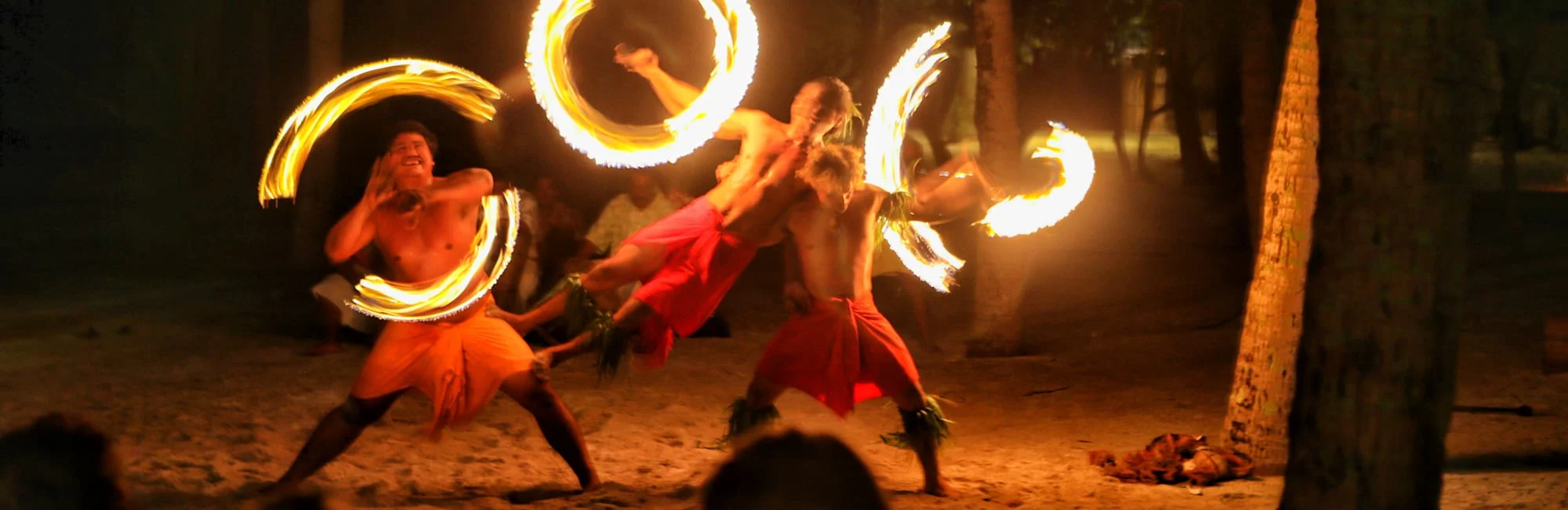
Fire arts demand attire that balances striking aesthetics with practical safety features. Fire performer clothing is designed to be both visually captivating and flame-conscious. This means using natural fibers, avoiding overly loose fabrics near ignition points, and selecting styles that move with the body.
Function does not mean sacrificing artistry. Many fire performers incorporate metallic accents, tribal patterns, or asymmetrical cuts to highlight movement while respecting safety protocols. Each outfit becomes part of the choreography, enhancing the visual storytelling.
Fabrics That Work as Hard as You Do
The choice of fabric can make or break both comfort and safety. For festivals, lightweight and breathable materials help regulate temperature during long hours of activity. For fire performance, cotton, denim, and other natural fibers are preferred over synthetics that could melt under heat exposure.
Some designers incorporate mixed media—combining stretch fabrics in safe zones with more rigid, protective elements in high-risk areas. These innovations allow for both free movement and practical protection.
Layering Strategies for Day-to-Night Events
A festival day can start under scorching sun and end in chilly, early-morning air. Layering is a practical styling choice that also adds visual depth to your outfit. In performance settings, removable layers can help maintain optimal body temperature without interrupting the visual flow of the act.
When layering for style and function:
● Combine breathable base layers with statement outer pieces
● Use accessories like scarves or wraps to transition between temperatures
● Opt for convertible garments that can be tied, draped, or reconfigured during the event
Cultural Influences in Design Choices
From tribal festival attire to bohemian streetwear, festival and fire performance outfits often borrow from rich cultural traditions. Patterns inspired by African textiles, indigenous beadwork, or Southeast Asian prints can be reimagined into modern performance wear.
For fire performers, cultural motifs can also align with the storytelling element of the act, connecting movement to heritage and symbolism. This fusion of tradition and contemporary fashion creates garments that feel both personal and powerful.
The Role of Accessories in Performance and Style
Accessories are not just decorative; they are functional extensions of the outfit. Belts can double as storage for small props, while harnesses and straps provide both structure and an edgy look. For festivals, eyewear, hats, and jewelry can be used to shift the vibe from daytime casual to nighttime spectacle.
Consider how each accessory interacts with movement—flowing pieces can enhance a spin or dance move, while structured elements can anchor the look visually.
Dressing for the Season and the Setting
Festival clothing and fire performance attire must adapt to different climates and locations. Desert festivals demand breathable, sun-protective gear, while coastal or forest events may require waterproofing and insulation.
In fire performance, outdoor versus indoor settings can influence the choice of layers, materials, and footwear. Always prepare for unexpected weather shifts by packing versatile options that still align with your aesthetic.
Caring for Specialty Clothing
Maintaining the lifespan of your clothing is essential, especially for performance-specific pieces. Natural fibers may require gentler washing methods, and embellishments or special finishes should be stored carefully to prevent damage.
For festival wear, quick cleaning hacks and sturdy storage bags can keep garments fresh for multi-day events. Fire performer clothing may require regular safety inspections to ensure fibers remain in good condition after repeated exposure to heat.
Conclusion
Festival and fire performance fashion is more than costume—it is a blend of personal expression, functional design, and cultural storytelling. By considering materials, safety, climate, and visual impact, wearers can create looks that resonate with the audience while supporting the demands of the environment. These garments don’t just clothe the body; they help craft an entire experience.