Water accumulation in your boat can quickly turn from a minor inconvenience into a serious problem. An automatic boat sump pump offers peace of mind by continuously monitoring and removing unwanted water without requiring constant attention. This comprehensive guide explores everything you need to know about these essential marine devices.
Boat owners face the constant challenge of water intrusion from rain, waves, and condensation. Traditional manual pumping methods require you to be present and actively monitor water levels. An automatic boat sump pump solves this problem by providing continuous, hands-free water removal that operates around the clock.
Whether you’re dealing with bilge water, rainwater accumulation on deck covers, or general water intrusion, understanding how these pumps work and which features matter most can help you make an informed decision for your vessel’s protection.
What Is an Automatic Boat Sump Pump?
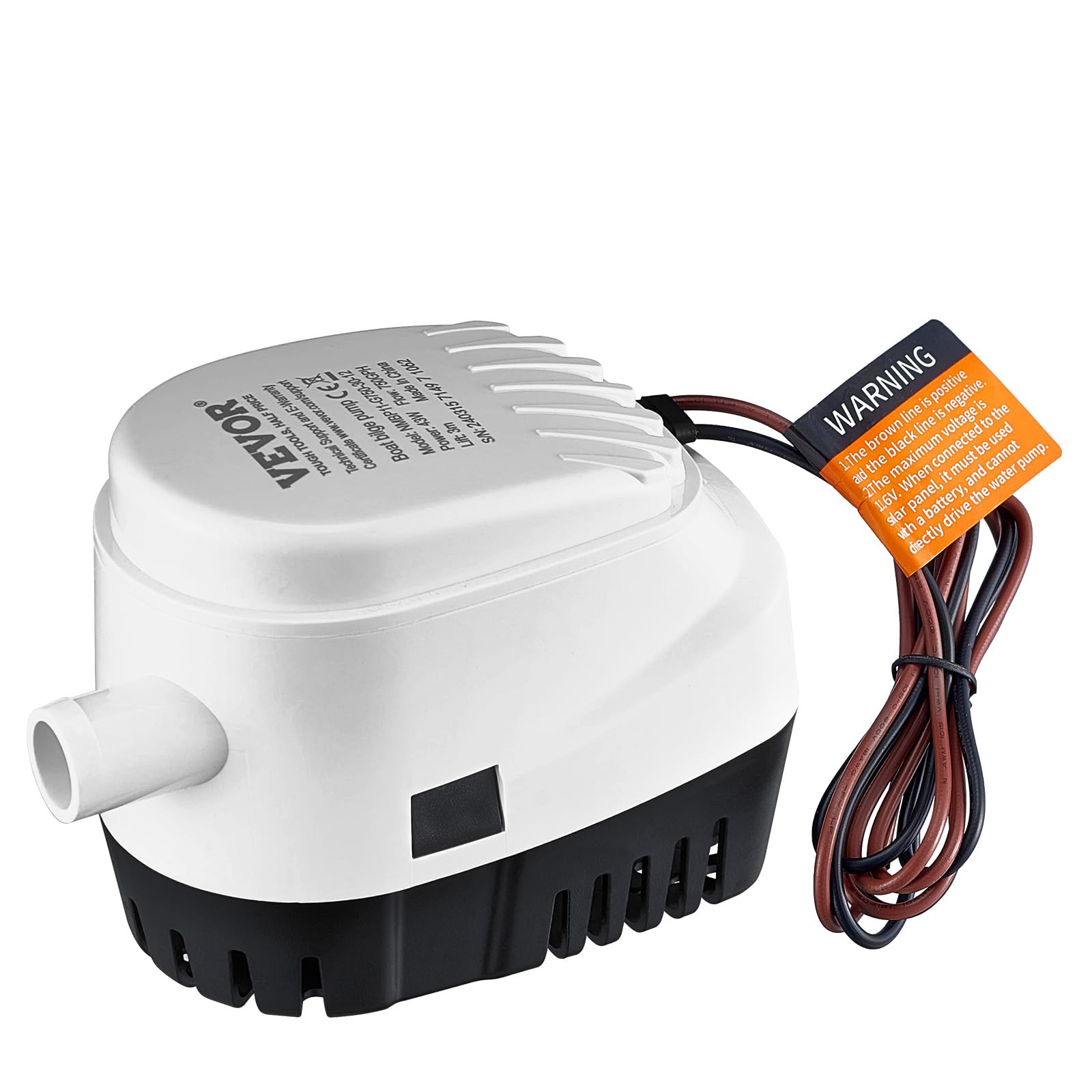
An automatic boat sump pump is a self-contained water removal system designed specifically for marine environments. These pumps use internal sensors to detect water levels and automatically activate when pumping is needed. Unlike manual pumps that require human operation, automatic versions work independently to keep your boat dry.
The core components include a water sensor, pump mechanism, power source, and discharge system. When water reaches a predetermined level, the sensor triggers the pump to begin operation. Once water levels drop below the activation threshold, the pump automatically shuts off to conserve power.
Modern automatic boat sump pumps come in various configurations, from traditional 12V DC models to innovative solar-powered units. The choice depends on your boat’s electrical system, typical usage patterns, and specific water removal needs.
Key Benefits of Automatic Operation
Continuous Protection
Your boat receives 24/7 water removal protection without requiring your presence. This proves especially valuable for boats stored at marinas, on trailers, or at docks where regular monitoring isn’t practical.
Power Efficiency
Automatic systems only operate when needed, conserving battery power compared to continuously running pumps. Smart activation prevents unnecessary cycling while ensuring prompt response to water accumulation.
Versatile Applications
These pumps handle various water removal scenarios including bilge water, deck drainage, boat cover water removal, and emergency backup pumping. Their compact design allows installation in tight spaces where larger pumps won’t fit.
Weather Independence
Rain storms, sudden weather changes, and overnight condensation no longer pose threats to your boat’s integrity. The pump responds automatically regardless of weather conditions or time of day.
Solar-Powered vs. Traditional Electric Models
Solar-Powered Advantages
Solar-powered automatic boat sump pumps offer complete independence from your boat’s electrical system. These units feature built-in solar panels and internal batteries, providing continuous operation even when your boat’s power is disconnected. They’re ideal for boats without reliable electrical systems or those stored in remote locations.
The solar charging capability means the pump can operate indefinitely during sunny conditions while the internal battery provides backup power during cloudy periods or nighttime operation. This combination ensures consistent water removal regardless of weather patterns.
Traditional Electric Models
Conventional 12V DC automatic pumps connect directly to your boat’s electrical system, drawing power from the main battery. These models typically offer higher pumping capacity and faster water removal rates compared to solar alternatives.
However, they require a functioning electrical connection and can drain your boat’s battery if water removal demands exceed charging capacity. They work best on boats with reliable charging systems or shore power connections.
Installation and Placement Considerations
Optimal Positioning
Place your automatic boat sump pump at the lowest point where water typically accumulates. For bilge applications, this usually means the deepest part of the bilge area. For deck or cover applications, position the pump where water naturally pools.
Ensure adequate clearance around the unit for proper sensor operation and maintenance access. The pump should sit level and stable to prevent false triggering from boat movement or vibration.
Hose Routing
Use marine-grade, UV-resistant hose material for the discharge line. Route the hose with a gentle upward slope to the discharge point, avoiding sharp bends or kinks that could restrict flow. Secure the hose properly to prevent movement that might disconnect fittings.
Consider installing a check valve in the discharge line to prevent backflow when the pump isn’t operating. This feature proves especially important for installations where the discharge point is at or below the pump level.
Maintenance and Care
Regular Inspection
Check your automatic boat sump pump monthly during the boating season. Look for debris around the intake, ensure the discharge hose remains properly connected, and verify the unit sits securely in position.
Clean the intake screen regularly to prevent clogs from leaves, debris, or marine growth. A blocked intake reduces pumping efficiency and can cause the motor to overheat.
Sensor Care
Keep the water level sensors clean and free from corrosion or buildup. Salt water environments require more frequent sensor cleaning to maintain proper operation. Use fresh water and a soft brush to remove any deposits.
Test the automatic activation periodically by adding water to trigger the sensors. This confirms the pump responds properly and helps identify potential issues before they become problems.
Choosing the Right Pump Capacity
Flow Rate Considerations
Automatic boat sump pumps typically offer flow rates between 200-1000 gallons per hour. Smaller boats and applications like cover pumping work well with lower capacity units, while larger vessels or high-volume bilge applications benefit from higher flow rates.
Consider your typical water accumulation rate when selecting capacity. A quick rain shower might dump 50+ gallons into a covered boat, requiring adequate pumping capacity to handle the influx efficiently.
Power Consumption
Balance pumping capacity with power consumption, especially for solar-powered models. Higher capacity pumps draw more power and may exceed solar charging capability during extended cloudy periods.
Construction and Durability Features
Marine-Grade Materials
Quality automatic boat sump pumps use corrosion-resistant materials like 316 stainless steel for metal components and industrial-grade ABS plastic for housings. These materials withstand constant exposure to moisture and salt water without degrading.
UV-resistant components ensure the pump continues functioning properly even with direct sunlight exposure. This proves crucial for deck-mounted or cover applications where sun exposure is constant.
Weatherproof Design
Fully sealed construction protects internal electronics from moisture infiltration. Look for units with IP67 or higher ingress protection ratings for maximum weather resistance.
The pump should operate reliably in temperature extremes, humidity, and exposure to spray or splash conditions common in marine environments.
Applications Beyond Bilge Pumping
Boat Cover Water Removal
Automatic boat sump pumps excel at removing rainwater from boat covers. Water accumulation can add hundreds of pounds to your cover, potentially causing damage or making removal difficult. An automatic pump placed under the cover eliminates this concern.
The low-profile design of many modern pumps allows placement without interfering with normal cover installation and removal procedures.
Deck Drainage
Self-bailing boats with cockpit drains sometimes experience drainage issues due to clogged scuppers or inadequate drain sizing. An automatic pump provides backup drainage capability for these situations.
Emergency Backup
Even boats with primary bilge pumps benefit from automatic backup units. If the main pump fails or becomes overwhelmed, the automatic unit provides crucial secondary protection.
Power Management Strategies
Battery Monitoring
For solar-powered units, understand the internal battery capacity and typical runtime. Most quality pumps provide several days of operation without solar charging, but extended cloudy periods may require monitoring.
Charging Optimization
Position solar panels for maximum sun exposure while maintaining pump functionality. Some units allow remote solar panel mounting for optimal charging while keeping the pump in the ideal location.
Troubleshooting Common Issues
Intermittent Operation
If your automatic boat sump pump cycles on and off repeatedly, check for proper installation level and sensor cleanliness. Boat movement or vibration can cause false triggering in some installations.
Reduced Flow
Decreased pumping performance usually indicates intake blockage or worn pump components. Regular maintenance prevents most flow reduction issues.
Battery Drain
Excessive power consumption may result from continuous cycling due to a small leak or improper sensor calibration. Address the underlying water source rather than just increasing pumping capacity.
Making Your Investment Count
An automatic boat sump pump represents a smart investment in your vessel’s protection and your peace of mind. The convenience of hands-free operation, combined with reliable water removal capability, makes these pumps essential equipment for serious boaters.
Consider your specific needs, power requirements, and installation preferences when selecting a pump. Quality construction and proper maintenance ensure years of dependable operation, protecting your boat investment and enhancing your boating experience.
Whether you choose a solar-powered model for ultimate independence or a traditional electric unit for maximum capacity, an automatic boat sump pump provides the reliable water management your boat deserves. The small investment in automation pays dividends in convenience, protection, and worry-free boating.
Keep an eye for more latest news & updates on Daily!