Cardiff, October 8, 2025 — Britain’s struggling steel industry faces one of its most turbulent weeks in years, with union leaders warning that more than 2,000 jobs are now at risk following an announcement from a major producer about plant restructuring in South Wales. The development reignites debate over the government’s industrial policy, green transition plans, and regional employment strategy.
The Announcement That Sparked Alarm
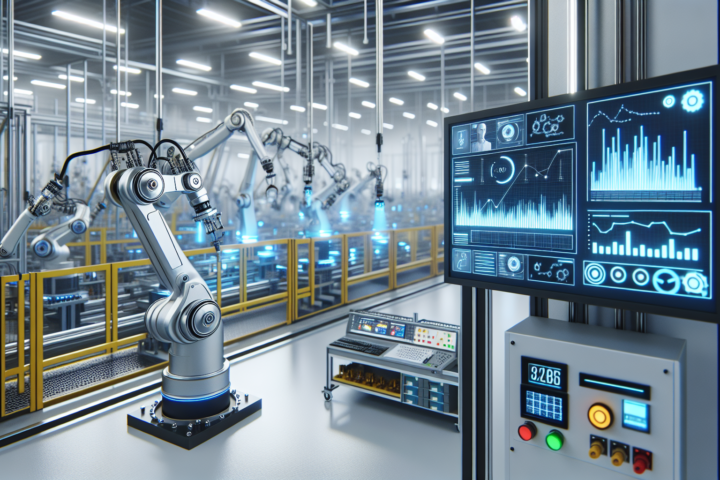
The immediate trigger came from Tata Steel UK, which confirmed its intent to move ahead with the phased shutdown of two blast furnaces at its Port Talbot site — the country’s largest steelmaking complex. The company plans to transition toward electric arc furnace (EAF) production as part of its carbon-reduction strategy, backed by a £500 million government support package.
While the move is framed as a necessary modernization effort, it has left workers reeling. The change could render thousands of skilled employees redundant before the new EAF facility becomes operational in 2027.
Union Outrage and Workers’ Uncertainty
Trade unions including Unite, GMB, and Community have described the plan as “industrial vandalism,” arguing that the transition timeline lacks safeguards for affected workers. Unite general secretary Sharon Graham accused ministers of “handing public money to corporations with no guarantee of jobs,” vowing to “fight for every role in Port Talbot and beyond.”
Union members have staged demonstrations across Welsh towns this week, calling for an immediate pause in the closure process. Workers are demanding that the government tie financial aid to firm job-retention commitments and retraining guarantees.
The Green Transition Challenge
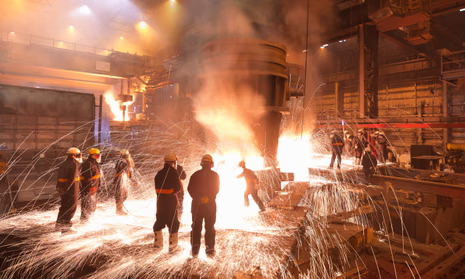
At the heart of the debate lies the tension between decarbonization and employment. The government’s strategy to reach net-zero emissions by 2050 has placed pressure on heavy industries to overhaul their production methods. Traditional blast furnaces emit millions of tonnes of CO₂ annually, while electric arc furnaces use recycled scrap steel and renewable electricity to dramatically reduce emissions.
However, the conversion process is complex and capital-intensive. Industry insiders note that EAF technology cannot yet match the quality and volume of steel required for key industries such as defense and automotive manufacturing. Until that changes, reliance on imports may rise — a concern echoed by economists and union officials alike.
Government’s Balancing Act
In Westminster, the Department for Business and Trade has defended its decision to co-fund the transition. Business Secretary Jonathan Reynolds said the package would “safeguard the long-term future of UK steelmaking” and make Britain a global leader in low-carbon production. He acknowledged the job losses but insisted that “the alternative was total collapse.”
The government also pointed to plans for £100 million in retraining and regional regeneration funds, aimed at helping displaced workers transition into new green-energy roles. Still, local leaders in Neath Port Talbot remain skeptical that such programs will match the loss of steady, high-wage industrial jobs.
Broader Industry Impact
Port Talbot’s troubles are not isolated. British Steel, Liberty Steel, and Celsa UK have all reported pressure from high energy costs, foreign competition, and tightening environmental standards. Analysts warn that without a cohesive industrial policy, the UK risks ceding its remaining steel capacity to Europe and Asia — jeopardizing supply-chain resilience for construction, defense, and transport sectors.
“The UK needs to decide whether it still wants a domestic steel industry,” says Dr. Rachel McKenzie, an economist at Cardiff University. “Right now, policy signals are mixed — we’re funding modernization, but we’re also allowing thousands of jobs to disappear in communities that depend on them.”
Local Voices and Human Impact
For Port Talbot residents, this is more than a headline. The steelworks have anchored the town’s economy for generations, supporting not only workers but local businesses, schools, and public services. “If these furnaces go cold, the town goes cold,” says Gareth Hughes, a third-generation steelworker. “It’s not just about wages — it’s about dignity.”
Families now face weeks of uncertainty as consultation meetings continue. Community groups have begun organizing food drives and job-support networks for workers who expect layoffs before Christmas.
Outlook: Industry at a Crossroads
As the UK races toward a green-energy future, the steel sector stands as a test case for whether environmental progress can coexist with industrial stability. The coming months will reveal whether government funding, retraining efforts, and private investment can truly deliver a “just transition” — or whether thousands of skilled workers will be left behind in the name of climate targets.