Creating a beautiful and functional outdoor space is a quintessential part of Melbourne living. From entertaining friends in the summer to enjoying a quiet morning coffee, our gardens, patios, and pathways become extensions of our homes. At the heart of any successful landscaping project are the materials you choose, and nothing offers the perfect blend of durability, style, and value quite like quality outdoor pavers. Selecting the right pavers can elevate your property, defining different zones, adding texture and colour, and significantly increasing your home’s curb appeal and overall value.
This article guide will walk you through everything you need to know about choosing and installing the perfect outdoor pavers Melbourne property, ensuring a stunning result that stands the test of time and weather.
Why Choose Pavers for Your Melbourne Landscape?
Pavers are a superior choice for Melbourne landscapes for a multitude of reasons. Their inherent strength and durability make them ideal for handling everything from the heavy foot traffic of a family barbecue to the weight of a vehicle in a driveway. Unlike poured concrete, which can crack and shift with Melbourne’s varying soil conditions, pavers are installed individually. This means that if settlement occurs, individual pavers can be lifted and re-laid, making repairs simple and cost-effective without leaving a messy, patched look.
Furthermore, pavers offer an unrivalled aesthetic versatility. They come in a breathtaking array of colours, textures, shapes, and sizes, allowing you to create unique patterns and designs that complement your home’s architecture, from classic Victorian to sleek modern. They are also a permeable surface option, helping with drainage and complying with sustainable garden principles.
A World of Choice: Popular Types of Outdoor Pavers
The variety of paving materials available can be overwhelming, but understanding the key types will help you narrow down your choice. Each type offers a distinct look and feel, suiting different budgets and design themes.
- Concrete Pavers: As the most versatile and popular option, concrete pavers are manufactured to replicate the look of natural stone, brick, or even wood at a more affordable price point. They are incredibly strong, resistant to fading, and available in an almost limitless range of colours and finishes, including smooth, textured, and tumbled for an aged effect.
- Natural Stone Pavers: For a truly premium and timeless look, natural stone is unmatched. Options like bluestone, sandstone, granite, and limestone each offer unique veining, colour variations, and textures that cannot be replicated. Bluestone is a particularly popular choice in Melbourne for its sleek, contemporary grey tones and incredible durability, making it perfect for modern landscapes.
- Clay Brick Pavers: Offering classic charm and old-world character, clay pavers are known for their rich, warm colours that deepen over time rather than fade. They are extremely hard-wearing, slip-resistant, and retain their colour beautifully. They are a perfect choice for creating traditional pathways or driveways that evoke a sense of heritage and permanence.
- Porcelain Pavers: A relatively newer option, large-format porcelain pavers are gaining rapid popularity for their sleek, minimalist appearance. They are highly resistant to stains, scratches, and frost, and their low porosity makes them very easy to clean and maintain. They are ideal for creating seamless indoor-outdoor living spaces on balconies and around pools.
Finding Your Perfect Style: Matching Pavers to Your Home’s Architecture
Selecting pavers that harmonise with your home’s architectural style is crucial for a cohesive and aesthetically pleasing result. The goal is to choose a paver that enhances, not clashes with, the existing design elements of your property.
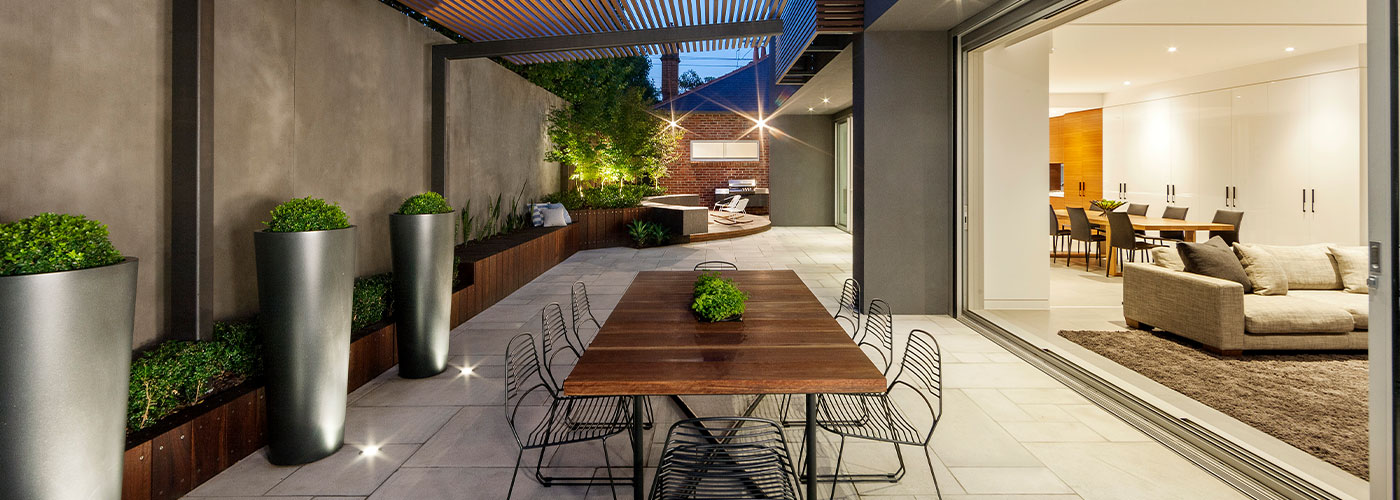
- For Modern Homes: Contemporary homes with clean lines and neutral colour palettes are perfectly complemented by large-format pavers. Think sleek, honed bluestone, charcoal concrete pavers in a linear pattern, or expansive porcelain tiles. Simple, geometric patterns and a monochromatic colour scheme will accentuate the modern aesthetic.
- For Traditional Homes: Victorian, Edwardian, or Federation-style homes often benefit from the warmth and character of classic materials. Clay bricks in red or terracotta hues, tumbled concrete pavers that mimic old stone, or cobblestone patterns are excellent choices. These materials add a sense of history and charm that aligns with the home’s heritage.
- For Coastal Homes: Homes near the beach or with a Hamptons-inspired theme should aim for a light, airy feel. Light-coloured sandstone, pale grey limestone, or white-washed concrete pavers work beautifully. These colours reflect light and pair perfectly with weatherboard sidings and lush, green landscaping.
The Foundation of Success: A Step-by-Step Guide to Paver Installation
A proper installation is what separates a stunning, long-lasting paved area from one that cracks, sinks, and becomes a weed-infested mess. Professional installation is highly recommended, but understanding the process ensures you can appreciate the work involved.
- Step 1: Planning and Design: This initial phase involves measuring the area, deciding on the paver pattern, and calculating the quantity of materials needed, including pavers, base course, and sand. It’s also the time to mark out the area and establish the correct slope for water runoff.
- Step 2: Excavation and Base Preparation: The area is excavated to a depth that accounts for the paver thickness, plus a compacted base and sand layer. This depth is critical for stability. A base of road base or crushed rock is then spread and compacted in layers with a mechanical plate compactor. This creates a solid, stable foundation that prevents shifting and sinking.
- Step 3: Laying the Bedding Sand: A layer of coarse, sharp sand is spread evenly over the compacted base. This sand layer is screeded to a perfectly level surface, providing a soft bed for the pavers to be laid into. It allows for minor adjustments and ensures each paver sits flush with its neighbours.
- Step 4: Cutting and Placing the Pavers: Pavers are carefully laid according to the chosen pattern, starting from a straight edge or a corner. Spacers are often used to maintain consistent joints. Cutting pavers to fit edges and around obstacles is done with a specialised block splitter or a diamond-blade saw for precision.
- Step 5: Compacting and Sealing: Once all the pavers are in place, a final sand, often polymer-based, is swept over the surface to fill the joints. The entire area is then compacted again, which vibrates the sand deep into the joints, locking the pavers together. Sealing is an optional final step that protects the pavers from stains and enhances their colour.
Keeping It Beautiful: Long-Term Paver Maintenance
One of the greatest advantages of paved surfaces is their ease of maintenance. With minimal effort, your pavers can look brand new for decades. Regular sweeping to remove dirt and debris is the first line of defence. For a deeper clean, a simple wash with a garden hose or a pressure washer on a low setting is highly effective. For stubborn stains like oil or grease, a specialised paver cleaner can be used. It is also important to keep an eye on the jointing sand.
Over many years, this sand can erode due to weather and traffic. Top up the joints with fresh polymeric sand as needed to prevent weeds from taking root and to maintain the structural integrity of the paved area. Reapplying a sealant every few years will also renew the paver’s appearance and provide continued protection.
Conclusion
Investing in quality outdoor pavers Melbourne is one of the smartest decisions a Melbourne homeowner can make. It is a upgrade that seamlessly combines immense practical benefits with significant aesthetic appeal. The process, from selecting the right material that complements your home’s character to ensuring a professional, well-founded installation, requires careful consideration. However, the result is a durable, versatile, and beautiful outdoor living space that enhances your lifestyle and adds tangible value to your property.