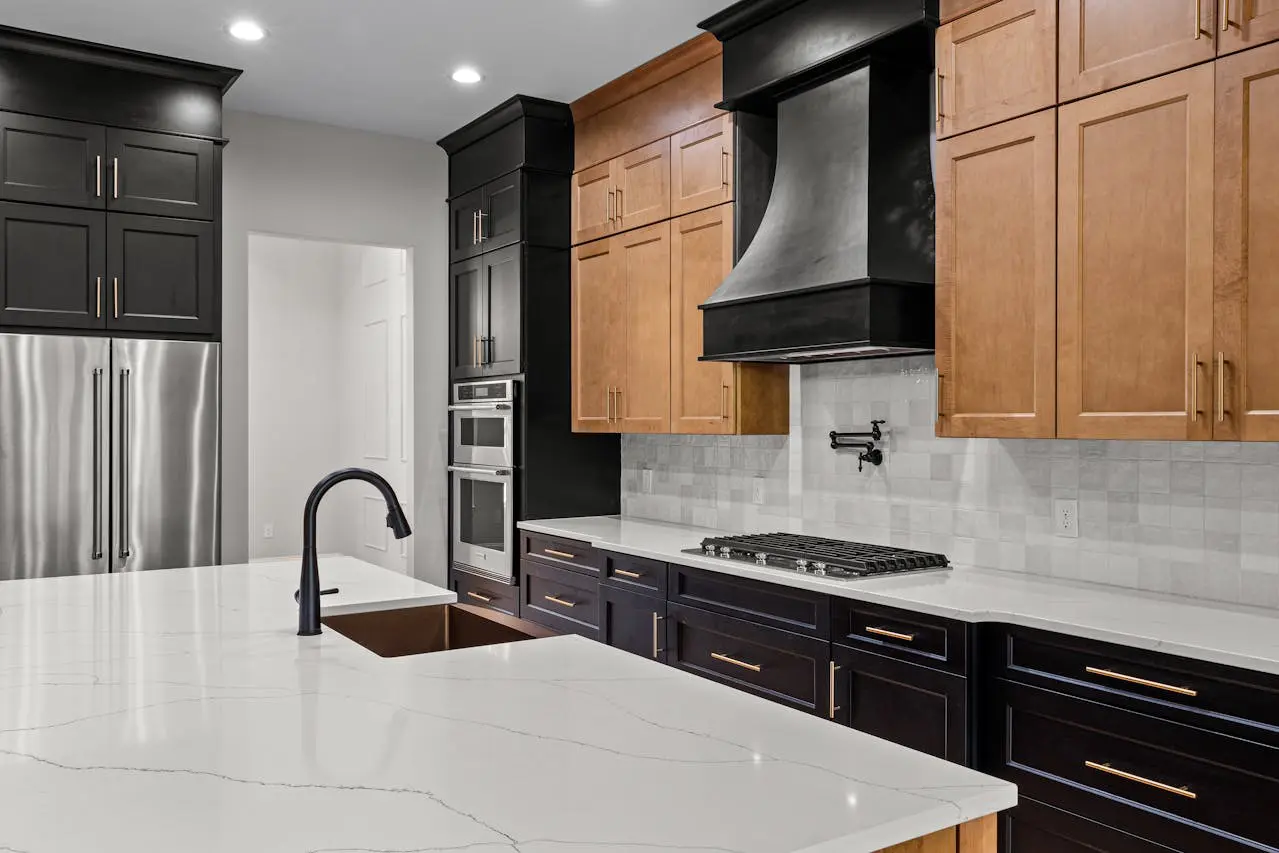
Countertops Quartz countertops have become a popular choice for kitchens and bathrooms due to their durability and low maintenance. They combine natural stone’s look with engineered strength, making them resistant to stains, scratches, and heat. Quartz offers a balance of aesthetic appeal and practicality that suits a variety of design styles and everyday use.
Available in many colors and patterns, quartz can mimic the appearance of marble, granite, or other natural stones without the extensive upkeep those surfaces often require. Its non-porous surface helps prevent bacteria buildup, making it a hygienic option for busy households, notes property management Holland MI.
As a material, quartz fits well in both modern and traditional spaces, offering versatile design possibilities. Understanding its benefits and limitations helps homeowners make informed decisions when choosing a countertop that aligns with their needs and lifestyle.
Quartz Countertops Overview
Quartz countertops combine engineered design with natural stone elements, offering a durable and visually appealing surface. Their composition, comparison to other materials, and aesthetic options provide homeowners with practical and stylistic choices suited for kitchens and bathrooms.
What Are Quartz Countertops
Quartz countertops are engineered surfaces made by binding ground quartz crystals with resins and pigments. This process produces a hard, nonporous surface that resists stains, scratches, and heat better than many natural stones.
Because quartz is manufactured, each slab maintains consistent quality and color, minimizing natural variations found in materials like granite or marble. Their durability suits high-traffic areas and simplifies cleaning and maintenance, as quartz does not require sealing.
Quartz vs. Other Countertop Materials
Compared to granite, quartz is more uniform in appearance and less porous, making it more resistant to stains and bacteria. Unlike marble, quartz is harder and more scratch-resistant but lacks natural veining that marble offers.
Laminate and solid surface countertops are less expensive but do not match quartz’s durability or heat resistance. Quartz also requires less upkeep than natural stone, as it rarely chips or cracks and does not need regular sealing.
| Feature | Quartz | Granite | Marble | Laminate |
| Porosity | Very low | Moderate | High | Very low |
| Scratch Resistance | High | High | Medium | Low |
| Heat Resistance | High | High | Medium | Low to Medium |
| Maintenance | Low (no sealing) | Medium (periodic sealing) | High (frequent sealing) | Very low |
Popular Colors and Patterns
Quartz countertops are available in a wide range of colors, including whites, grays, creams, browns, and blacks. Many styles feature patterns that imitate natural stone veining or include reflective chips to add subtle sparkle.
Because quartz is man-made, colors are more vibrant and uniform than natural stones, making it easier to coordinate with various kitchen designs. Popular choices range from pure whites for a clean look to deep blacks and warm earth tones for a modern or rustic feel.
Keep an eye for more latest news & updates on Daily!