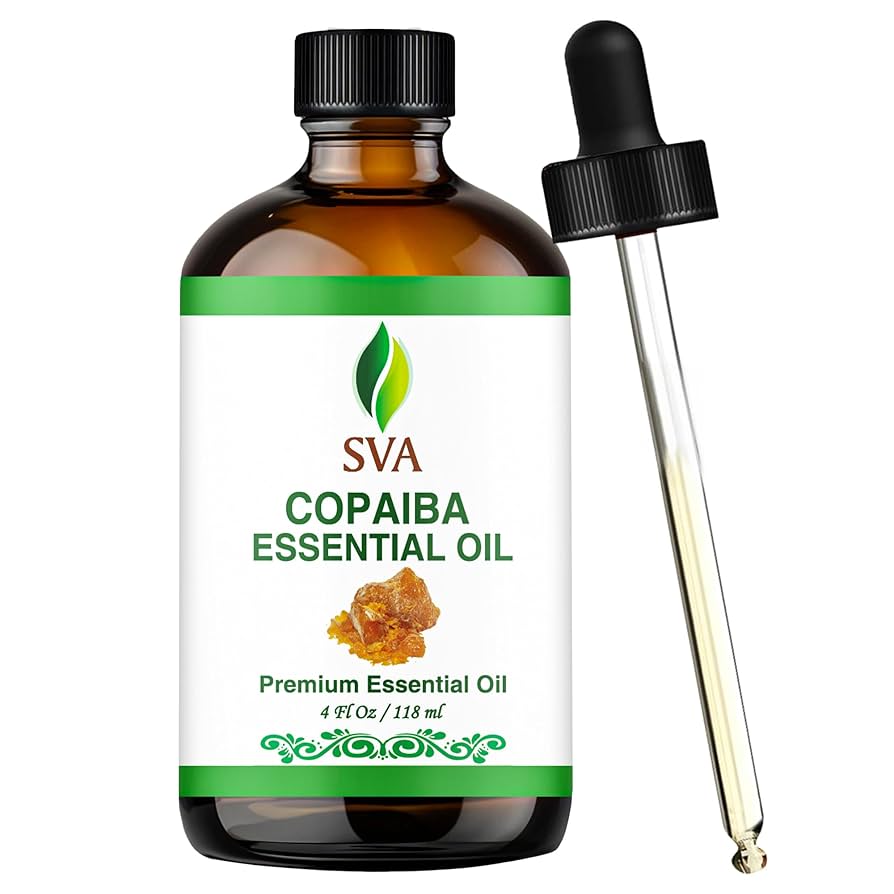
| Attribute | Copaiba Oil | Copaiba Essential Oil |
| Source | Raw resin from Copaifera tree | Steam-distilled from copaiba resin |
| Texture | Thick, golden | Light, fluid |
| Aroma | Warm, woody-earthy | Soft, sweet balsamic |
| Main Compounds | Beta-caryophyllene, diterpenes | Beta-caryophyllene, sesquiterpenes |
| Common Uses | Skin care, massage blends | Aromatherapy, diffuser blends |
| Traditional Roots | Folk remedies in South America | Aromatic and topical traditions |
The Amazonian Roots of Copaiba
Deep in the Amazon rainforest, the Copaifera tree has been a resource for communities for centuries. Its resin, carefully tapped without harming the tree, has been valued for topical applications, soothing preparations, and cultural practices. This enduring connection to the land and its people is part of what makes copaiba unique in the world of botanical oils.
Understanding Copaiba Oil
Copaiba oil is obtained directly from the resin, offering a thicker texture and subtle, grounding aroma. It is often blended with carrier oils to make it more versatile for skin and massage applications.
Common uses include:
- Mixing into moisturizers for added nourishment
- Creating resin-based massage blends
- Formulating natural balms and salves
Its slow-absorbing nature makes it ideal for longer massage sessions and protective skin treatments.
The Distilled Purity of Copaiba Essential Oil
Copaiba essential oil is crafted through steam distillation, resulting in a lighter, more aromatic liquid. This form retains copaiba’s chemical profile but has a softer, sweeter scent, making it a favorite in aromatherapy.
It is often used for:
- Diffusion during mindfulness and relaxation
- Blending with citrus or floral essential oils for balance
- Adding to bath oils for an aromatic soak
Its versatility allows it to fit seamlessly into daily routines without overwhelming the senses.
Key Compounds That Define Copaiba
The shared hallmark of both copaiba oil and copaiba essential oil is beta-caryophyllene, a terpene that has drawn interest for its potential in supporting relaxation and comfort. Additional components include:
- Diterpenes – providing protective qualities in topical use
- Sesquiterpenes – enhancing the grounding nature of the aroma
- Alpha-humulene – offering a subtle herbal note
These natural compounds work together to give copaiba its distinctive qualities.
Simple Ways to Use Copaiba Every Day
Copaiba can be easily incorporated into wellness routines with minimal preparation. Whether you prefer its thicker oil form or the lighter essential oil, it offers practical versatility:
- Topical care: Dilute with a carrier oil for massage or targeted skin application
- Aromatic support: Diffuse for a warm, comforting environment
- Bath rituals: Combine with salts and a carrier oil for a spa-inspired soak
Blending it with oils like lavender, frankincense, or cedarwood can create a more layered experience.
Selecting High-Quality Copaiba Products
To ensure authenticity and effectiveness, sourcing matters. Sustainable harvesting protects the trees and maintains resin quality. Key factors to check include:
- Accurate botanical name on labeling
- Clear extraction method (cold tapping or steam distillation)
- Purity without artificial additives
Knowing the origin helps guarantee you’re getting a genuine copaiba product.
Copaiba in the Modern Wellness Conversation
Copaiba oil is often mentioned alongside other plant-based oils due to its unique terpene profile. While it shares similarities with certain compounds found in CBD products, it contains no cannabinoids, offering an alternative for those seeking botanical options without hemp-derived ingredients.
Conclusion
Copaiba oil and copaiba essential oil bring together centuries of tradition and modern applications. With their gentle aroma, adaptable use, and naturally rich chemistry, they remain timeless allies for those looking to incorporate plant-based elements into their wellness routines.