Neck pain is one of the most common health complaints in today’s fast-paced lifestyle. Whether caused by poor posture, long working hours, stress, or injury, it can significantly affect daily life. Studies show that nearly two-thirds of the population experiences neck pain at some point, making it a widespread issue that needs attention.
Fortunately, incorporating the right exercises into your routine can help alleviate discomfort, improve mobility, and prevent recurring issues. This article explores the best exercises for neck pain, their benefits, and how you can incorporate them into a safe recovery routine.
Understanding Neck Pain
The neck, also known as the cervical spine, consists of vertebrae, muscles, ligaments, and nerves that support the head and allow movement. Because of its flexibility and constant use, the neck is vulnerable to:
- Poor posture (slouching, looking down at phones or screens)
- Muscle strain (from sudden movements or prolonged sitting)
- Stress and tension (causing muscle tightness)
- Injuries (such as whiplash)
- Degenerative conditions (like cervical spondylosis)
While medications can provide short-term relief, therapeutic exercises are key to long-term recovery and prevention.
Benefits of Exercises for Neck Pain
Before diving into specific exercises, it’s important to understand why movement and strengthening matter:
- Improved blood circulation – Movement boosts oxygen and nutrient delivery to stiff muscles.
- Reduced stiffness – Gentle stretches restore mobility and flexibility.
- Stronger muscles – Strengthening neck and upper back muscles supports proper alignment.
- Better posture – Exercises counteract slouching and forward head posture.
- Prevention of recurrence – Consistent exercise reduces the risk of chronic pain.
Warm-Up Before Exercises
Before performing any neck exercise, it’s essential to prepare your muscles. A simple 3–5 minute warm-up helps prevent strain:
- Roll your shoulders forward and backward.
- Gently tilt your head side to side.
- Perform slow neck rotations.
Once warmed up, you can begin with these effective exercises.
Best Exercises for Neck Pain
1. Neck Side Stretch
Purpose: Relieves tension in the side muscles of the neck.
How to do it:
- Sit or stand upright.
- Gently tilt your head to the right, bringing your ear toward your shoulder.
- Hold for 20–30 seconds, then switch sides.
- Repeat 3–5 times on each side.
2. Chin Tucks
Purpose: Strengthens deep neck flexors and corrects forward head posture.
How to do it:
- Sit with your back straight.
- Gently tuck your chin in (as if making a double chin).
- Hold for 5 seconds, then release.
- Perform 10 repetitions, 2–3 times a day.
3. Shoulder Blade Squeeze
Purpose: Improves posture by strengthening upper back muscles.
How to do it:
- Sit or stand with your arms by your side.
- Squeeze your shoulder blades together.
- Hold for 5–8 seconds, then relax.
- Repeat 10–12 times.
4. Levator Scapula Stretch
Purpose: Reduces tightness in the back of the neck and shoulders.
How to do it:
- Sit upright.
- Place your right hand behind your head.
- Gently tilt your head down and to the left.
- Hold for 20–30 seconds, then switch sides.
- Repeat 2–3 times.
5. Isometric Neck Exercise
Purpose: Builds strength without movement, reducing strain.
How to do it:
- Place your palm against your forehead.
- Push your head gently against your hand without moving it.
- Hold for 5–10 seconds.
- Repeat 5 times, then switch to the sides and back of the head.
6. Neck Rotations
Purpose: Increases mobility and flexibility.
How to do it:
- Sit comfortably.
- Slowly turn your head to the right as far as comfortable.
- Hold for 10 seconds, then return to center.
- Repeat on the left side.
- Perform 5 repetitions each side.
7. Cat-Cow Stretch (Yoga)
Purpose: Improves spinal flexibility and posture.
How to do it:
- Get on your hands and knees.
- Inhale, arch your back (cow pose), lifting your head.
- Exhale, round your back (cat pose), tucking your chin in.
- Repeat 10 times.
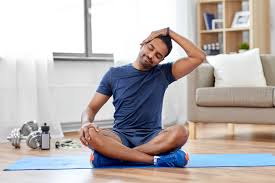
8. Upper Trapezius Stretch
Purpose: Relieves tension caused by stress or long hours at a desk.
How to do it:
- Sit tall.
- Place your right hand on the top of your head.
- Pull gently toward the right shoulder.
- Hold 20–30 seconds, switch sides.
- Repeat 2–3 times.
Tips for Safe Neck Exercises
- Perform exercises slowly and gently – avoid jerking movements.
- Stop immediately if you feel sharp or severe pain.
- Maintain good posture during all exercises.
- Combine exercises with ergonomic adjustments (e.g., proper chair, desk, and monitor setup).
- Stay consistent – results come from regular practice.
Lifestyle Adjustments to Prevent Neck Pain
Apart from exercises, certain daily habits can protect your neck from strain:
- Ergonomics: Keep your screen at eye level and avoid looking down at your phone.
- Frequent breaks: If you work at a desk, take breaks every 30–45 minutes to stretch.
- Proper sleep posture: Use a supportive pillow and avoid sleeping on your stomach.
- Stress management: Practice relaxation techniques like deep breathing or yoga.
- Hydration: Staying hydrated supports healthy muscles and joints.
When to Seek Professional Help
While exercises are highly effective, sometimes professional intervention is necessary. If you experience:
- Persistent or worsening pain
- Numbness or tingling in the arms
- Severe stiffness limiting movement
- Pain after an accident or injury
…it’s best to consult a physiotherapist or healthcare provider.
Professional care such as Neck Pain Rehab programs offer tailored treatment plans, hands-on therapy, and advanced rehabilitation techniques to speed up recovery and ensure long-term relief.
Final Thoughts
Neck pain can disrupt your daily activities, but with the right exercises and preventive habits, you can regain control of your mobility and comfort. Incorporating simple stretches like chin tucks, shoulder squeezes, and yoga-inspired movements can make a significant difference.
Consistency is key—set aside just a few minutes each day to perform these exercises and support your neck health. If symptoms persist or worsen, seeking professional guidance through a Neck Pain Rehab program is the smartest step toward lasting relief.
By making exercises and healthy habits a part of your routine, you can enjoy a pain-free, more active lifestyle.