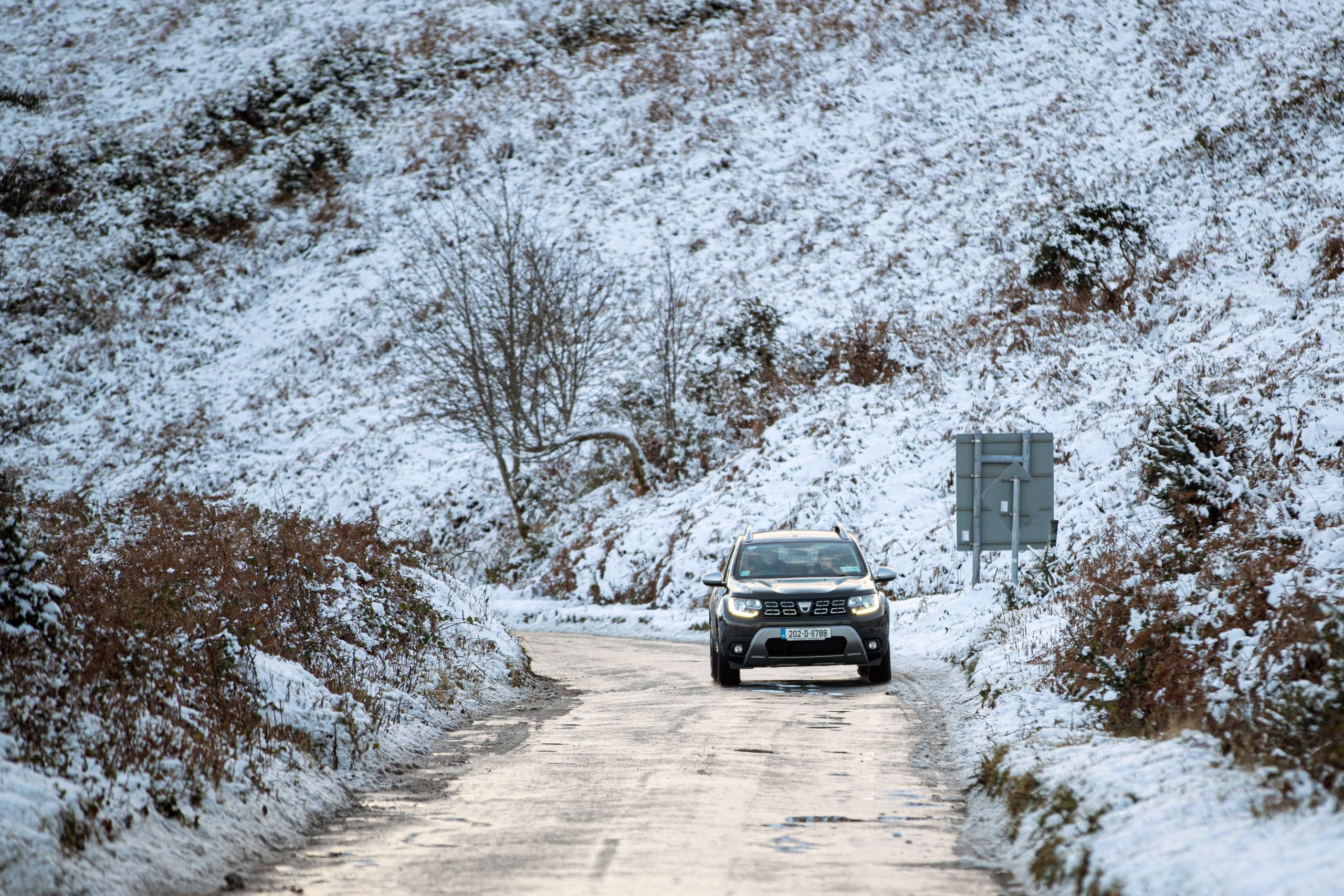
Severe Winter Conditions Grip Northern Regions
Large parts of northern Scotland are facing extreme disruption as harsh Arctic weather continues to batter the region. Heavy snowfall, freezing temperatures, and strong winds have created dangerous conditions for residents, leaving hundreds of homes without electricity and cutting off access to rural communities.
Temperatures have dropped well below seasonal averages, with icy roads and drifting snow making travel extremely difficult. Emergency services have urged residents to stay indoors unless travel is absolutely necessary, warning that conditions could worsen overnight.
Power Outages Affect Remote Communities
One of the most serious impacts of the severe weather has been widespread power outages. Rural and coastal areas have been hit hardest, where strong winds and heavy snow have damaged power lines and infrastructure. Engineers are working around the clock to restore services, but progress has been slow due to unsafe conditions.
For many residents, the loss of power has meant no heating during sub-zero temperatures. Local councils have opened warming centres in community halls and public buildings to support vulnerable people, including the elderly and families with young children.
Transport Disruption and Road Closures
Transport networks across northern Scotland have been severely affected. Major roads have been closed due to snow accumulation and black ice, while rail services have been delayed or cancelled entirely. Bus routes in rural areas are suspended, leaving some communities temporarily isolated.
Air travel has also been disrupted, with several regional flights delayed or grounded due to poor visibility and icy runways. Authorities have advised passengers to check travel updates before heading to airports or stations.
Schools and Businesses Forced to Close
The extreme weather has forced many schools to close as safety concerns grow. Parents have been advised to keep children at home, especially in areas where roads are impassable. Some schools have switched to remote learning where possible, though power cuts have limited access for some families.
Local businesses, particularly small shops and cafés, have also been affected. Reduced foot traffic, supply delays, and power outages have resulted in temporary closures, adding financial strain during an already challenging winter period.
Emergency Services on High Alert
Emergency responders are operating under difficult conditions as they respond to weather-related incidents. Ambulance services have reported delays reaching patients in remote locations, while mountain rescue teams have been placed on standby due to increased risks for hikers and motorists.
Local authorities have emphasised the importance of community support, encouraging neighbours to check in on one another, particularly those living alone or with limited mobility.
Weather Outlook and Public Advice
Forecasts suggest that cold conditions will persist for several more days, with further snowfall expected in higher elevations. Residents are advised to stock essential supplies, keep mobile phones charged, and avoid unnecessary travel.
While restoration efforts continue, officials warn that full recovery may take time. The severe weather has highlighted the vulnerability of rural infrastructure and the importance of preparedness during extreme winter conditions.