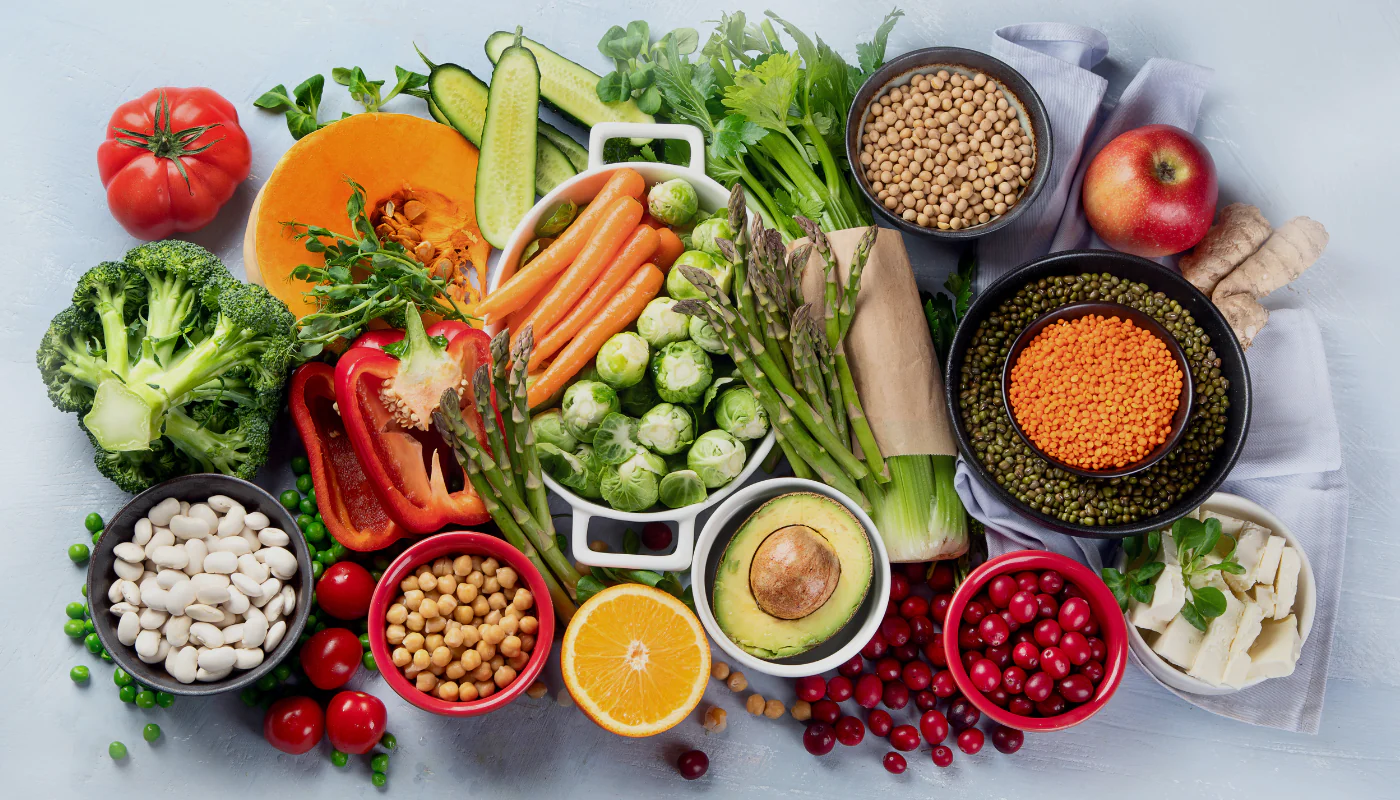
Traditional Indian cuisine is filled with dal, rice, rotis, and sabzi. Although they are fulfilling, they are not necessarily all that diverse in key nutrients. While day after day we rely on the very same grains and produce, the body needs a wider array of nutrients for balanced nourishment, better immunity, and longevity in health. Even if you workout every day, focus on your physical fitness, or even go to yoga classes on the regular, consuming nutrient rich foods will have a great influence on your health.
So read along to know the top 10 foods that you must incorporate into your daily Indian diet for better health, greater energy levels, and robust immunity.
1. Quinoa:
Most Indian diets majorly consist of white rice or maida, which are protein deficient. Quinoa is a gluten free grain that is packed with plant based protein and comes with high fiber content, making it best for meals post workout as it replenishes the muscles as well as provides sustained energy. Quinoa can be substituted for rice, or can simply be put in salads for the best way to include this grain in your diet.
2. Avocados:
Although avocados are uncommon in desi diets, they can be a great addition to your plate. High in monounsaturated “good” fats, they keep the heart healthy and cholesterol in check. With even greater potassium content than bananas, they balance blood pressure and muscular function. They also give you a sustained energy boost, particularly when exercising or during or after yoga classes.
You can include this in your diet by spreading on whole wheat bread and having it as a toast, adding to smoothies and salads or making tasty guacamole dip.
3. Chia Seeds:
Indian diets are low in omega 3 fatty acids, required for the heart and brain. Chia seeds are an excellent option, containing high amounts of fiber, protein, and calcium. They also give you the feeling of fullness, helping with weight loss and blood sugar control. Soak them overnight and add to smoothies, yogurt, or breakfast bowls to add them to your diet.
4. Broccoli:
Indian diets are inclined to focus on spinach and fenugreek but not on cruciferous vegetables like broccoli, which are rich in vitamin C, vitamin K, fiber, and antioxidants. They cleanse the body in addition to assisting with hormonal balance.Steam, stir fry, or roast broccoli and add it to salads or curries to make them part of your daily meals.
5. Greek Yogurt:
Regular curd is common in India, but low fat greek yogurt has twice the protein content and twice the number of probiotics, aiding the guts, immunity, and repair of the muscles. Moreover, they also help with weight loss as it has lower fat content compared to regular curd.
If you are attending Yoga Classes Chennai offers, you will know that the city’s heat and humidity requires cooling food. Greek yogurt not only aids the replenishment for the muscles but has the inherent property of coolness that keeps you refreshed after an intensive yoga workout.
6. Microgreens:
Microgreens are the early greens of veggies and herbs and they contain 4 to 40 times the nutrients compared to fully grown greens. They are rich with vitamins A, C, K, antioxidants, and minerals beneficial for immunity as well as skin. Microgreens can be grown from the seeds of almost any vegetables or herb like carrot, broccoli, chia, etc. Top salads, sandwiches, soups, or dal bowls with microgreens for an immediate boost of nutrients.
7. Millets:
With increasing demand for refined wheat and white rice, we’ve started neglecting the ancient Indian grains like ragi, bajra, and millets. Millets are gluten free by default, high on fiber, and best for regulating blood sugar. Add millets to upma, dosa batter, or replace with rice in daily cooking and feel the difference in your health!
8. Ghee:
Desi ghee has healthy fats that improve digestive function, increase bone health, and increase brain power. Ghee in moderation even assists with weight management and hormone balance.
Replace refined oil with a dollop of ghee or add some over hot rotis for a strong flavor and increase in health.
9. Berries:
Strawberry, blueberry, and raspberry are least seen on the Indian palate but are vitamin C and antioxidants rich. They slow down the ageing process, keep the skin healthy, and assist the brain. Add to breakfast meals, smoothies, or eat raw as a snack to boost health.
10. Water & Herbal Infusions:
Although not exactly a “food,” hydrating is very important for total wellness. If you live in Chennai and are attending Yoga Classes, Chennai has high heat and humidity. Therefore drinking water regularly throughout the day with herbal infusions like jeera water, tulsi tea, or green tea will help with detoxification and keep energy stable.
Final Thoughts
Healthy eating is as vital as daily exercise. If you exercise, meditate, or go for Yoga Classes for improved health, the secret lies in nourishing the body with the required food so the results are optimal. In due time, these minor changes will yield a healthier, strong, and better you.