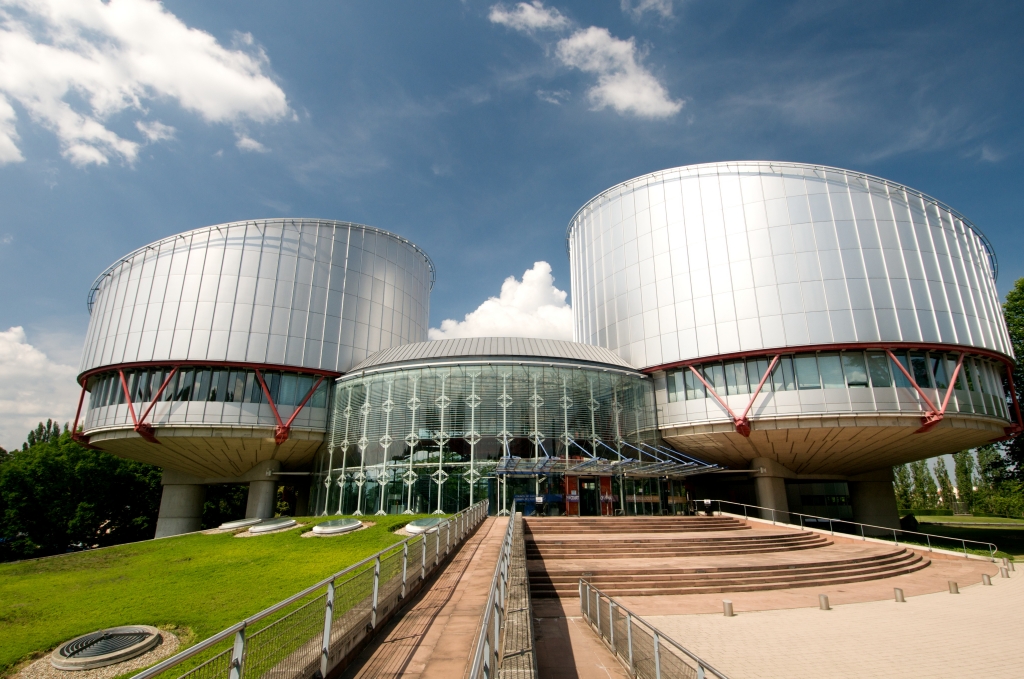
Human rights organisations across the UK are raising urgent concerns after new government proposals signaled potential changes to the country’s current obligations under the European Convention on Human Rights (ECHR), specifically those related to torture protections. As the debate intensifies, advocacy groups, legal experts, and political voices warn that altering long-standing anti-torture safeguards could reshape the UK’s human rights landscape in ways not seen for decades.
The government’s proposals, still in early stages, aim to “reinterpret” certain ECHR articles that limit the removal or deportation of individuals to countries where they may be at risk of torture or inhumane treatment. Rights groups argue that even a slight reinterpretation could weaken one of the most fundamental pillars of international human rights standards.
Below is a detailed breakdown of the ongoing controversy, the reactions it has sparked, and what it may mean for the UK’s legal and humanitarian commitments going forward.
A Closer Look at the Government’s Proposal
While the full text of the proposal has not yet been publicly released, officials have confirmed that it centers on Article 3 of the ECHR — a clause that provides an absolute prohibition against torture, inhuman treatment, or degrading punishment. This article is widely considered one of the strongest and most uncompromising human rights protections in international law.
Government representatives argue that the existing interpretation of Article 3 hampers the UK’s ability to remove certain individuals who are deemed a security threat or who have committed serious crimes. They say that current human rights restrictions force the country to allow some individuals to remain even when they pose public safety risks, due to concerns they may face torture if deported.
According to the government, the intention is not to remove protections altogether but to create “clearer, firmer boundaries” that balance human rights with national security. Officials say they are working toward an approach that still prohibits torture but allows broader discretion in deportation cases.
However, human rights organisations insist that even small amendments to the way Article 3 is applied could open the door to dangerous precedents.
Rights Organisations Push Back
Multiple leading human rights organisations — including Liberty, Amnesty International UK, and Reprieve — have issued strong statements condemning the government’s direction. Their concerns center on three primary points:
1. The Absolute Nature of Torture Prohibitions
Rights groups emphasize that the global prohibition against torture is absolute, meaning it allows for no exceptions — even in cases involving national security or serious criminal offences. Any attempt to reinterpret this could breach international law and put the UK on a trajectory toward weaker global human rights norms.
2. Risk of Creating “Human Rights Loopholes”
Organizations warn that changing the interpretation of Article 3 could give future governments the ability to bypass essential safeguards. Once a system begins allowing exceptions, they argue, it becomes easier to expand those exceptions over time. This could undermine decades of legal progress and weaken protections for vulnerable individuals.
3. Long-Term Reputational Damage
Human rights experts say the UK has historically been viewed as a leader in promoting global human rights standards. Weakening anti-torture protections, even indirectly, could damage the UK’s standing, strain relations with international partners, and reduce moral authority on human rights issues worldwide.
Legal Community Warns of Constitutional Risks
The UK’s legal community has also raised alarms. Barristers and constitutional scholars state that the proposals could trigger significant domestic legal challenges.
Impact on the Human Rights Act
Any reinterpretation of Article 3 would directly affect how the Human Rights Act is applied in domestic courts. Judges rely on ECHR standards when issuing rulings. If the government attempts to legislate around Article 3 obligations, the courts may face conflicts between domestic law and international treaty obligations.
Potential Breach of International Law
Experts note the UK is bound by multiple international agreements beyond the ECHR, including the UN Convention Against Torture. Any domestic change that contradicts these obligations could leave the UK vulnerable to international criticism or enforcement procedures.
Judicial Independence Concerns
Rights groups emphasize that these reforms form part of a wider pattern in which political leaders seek to curb the influence of judges in human rights and migration-related cases. Critics say this risks undermining judicial independence and weakening constitutional checks and balances.
Political Reactions Intensify the Debate
Political reactions have been swift and polarized. Several opposition leaders have criticized the government for jeopardizing the country’s commitment to fundamental human rights. They argue that the prohibition on torture is non-negotiable and that no national security argument should override such a core principle.
Some moderate Conservative MPs have also expressed unease, warning that the party risks drifting into legally and ethically dangerous territory. A number of MPs emphasized that British values are rooted in protections against torture and human dignity.
However, hard-line factions within the government maintain that these changes are essential to address what they view as ongoing failures in the immigration and asylum system. They argue that a small number of cases — involving individuals who cannot be deported due to risk of torture — create disproportionate challenges for public safety.
The Potential Impact on Asylum and Deportation Cases
The most immediate consequences of the proposed reinterpretations would be felt in the asylum system and deportation proceedings.
Asylum Seekers Facing Torture Risks
Under current law, asylum seekers who face a real risk of torture or severe mistreatment cannot legally be returned to their home countries. Rights groups fear that a weakened Article 3 interpretation could lead to rushed or unsafe deportations, potentially placing vulnerable people in life-threatening situations.
Deportation of Foreign Nationals with Criminal Records
Government ministers argue that some individuals who have committed serious crimes use Article 3 protections to avoid removal. The proposed changes would give the government more latitude to deport individuals even if credible torture risks exist.
Critics say this would violate international law and could lead to severe human rights abuses abroad.
What Happens Next?
The government is expected to release more detailed information on the proposal in the coming weeks. In the meantime, legal challenges and political opposition appear likely to grow stronger.
Human rights organisations are already preparing campaigns, public awareness drives, and legal strategies to oppose any move that could weaken torture protections. Many groups say they will pursue court action immediately if the government attempts to legislate against the ECHR’s current interpretation.
Parliament will also play a crucial role. Any legislative changes would require significant debate and could become a defining political issue in the coming months.
A High-Stakes Moment for UK Human Rights
The debate surrounding the UK government’s proposed reinterpretation of torture protections under the ECHR marks a pivotal moment. The outcome could reshape how the country balances human rights with national security, influence its international reputation, and set a precedent for future reforms.
For rights groups, the line is clear: protections against torture must remain absolute, uncompromising, and immune to political pressure.
As the issue continues to unfold, the eyes of human rights advocates, legal experts, and international observers will be firmly fixed on Westminster — watching to see whether the UK upholds its long-standing commitment to human dignity or charts a new, more controversial course.