Workplace safety stretches beyond fire drills and protective gear. Even window blinds must meet strict UK standards to keep staff and visitors safe. Loose cords, faulty mechanisms, or poorly fitted blinds can all cause accidents if ignored.
To stay compliant and protect your team, you need to understand what’s required and how to put it into practice. Keep reading to see how to safeguard your workplace while staying within the law.
Why Safety Standards Apply To Window Blinds
Blinds aren’t just a finishing touch, but part of workplace safety. Risks such as cord entanglement or falling units are why UK regulations demand blinds that meet strict safety criteria. In environments like schools, hospitals, and offices, blind safety isn’t optional. It’s part of your legal duty to maintain a safe environment under the Health and Safety at Work Act 1974.
This is why many businesses choose commercial blinds by Yewdale. Their systems are designed with compliance in mind, offering solutions that suit high-use spaces where durability and safety can’t be compromised.
Key Legal Requirements You Must Follow
UK compliance isn’t complicated once you know the rules. Under the General Product Safety Regulations 2005, blinds must not present hazards. In addition, British Standard EN 13120 sets out how blinds should be designed and installed to reduce risks, particularly when cords are involved.
Employers who ignore these rules risk fines, legal action, and reputational damage if accidents occur. It’s also important to remember that inspections may highlight blinds as part of overall safety checks. Ensuring yours meet standards saves unnecessary problems later.
Certification For Workplace Blind Safety
One of the simplest ways to prove compliance is through certification. Blinds that are tested and marked to BS EN 13120 demonstrate they meet recognised UK and European safety standards.
Trade suppliers often provide documentation showing that their systems have been manufactured and tested against these requirements. For workplaces, keeping these certificates on record is useful during audits or health and safety inspections.
It shows not only that your blinds meet safety standards but also that your business takes compliance seriously. Choosing certified products also reassures staff, visitors, and clients that safety is being prioritised.
How To Ensure Workplace Compliance
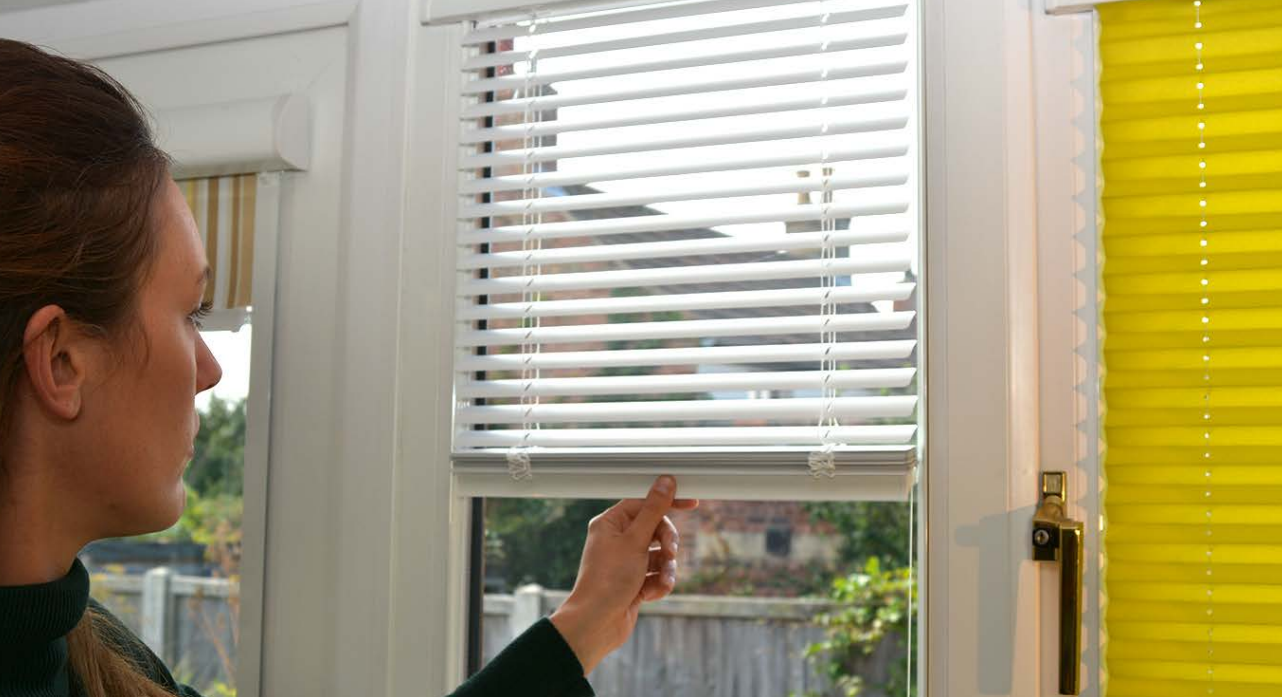
The best starting point is a risk assessment. Look for hazards such as damaged cords, broken slats, or blinds that don’t work smoothly. Any blind that fails these checks must be repaired or replaced. Installation matters too, as blinds not fixed securely can fall or malfunction.
Choosing reliable trade systems reduces that risk. Once fitted, blinds need regular maintenance to remain safe. Finally, staff training is vital. Ensure employees know how to operate blinds correctly, especially where motorised systems are used.
More Than Safety: Benefits For Staff
Compliance isn’t just about avoiding penalties. Safe, well-installed blinds also improve comfort. By controlling heat and glare, they create a healthier workplace, reduce eye strain, and support better focus. When staff feel comfortable, productivity naturally improves. This link between compliance and wellbeing shows why blinds should never be an afterthought in workplace planning.
Building A Safer Workplace
Workplace blind safety may seem minor, yet it carries serious responsibility. Following UK standards, choosing certified systems, and scheduling checks protect people and businesses alike. If you want a safe, compliant, and comfortable workplace, don’t overlook blinds. Review them today and make safety part of every detail.
Keep an eye for more latest news & updates on Daily!