
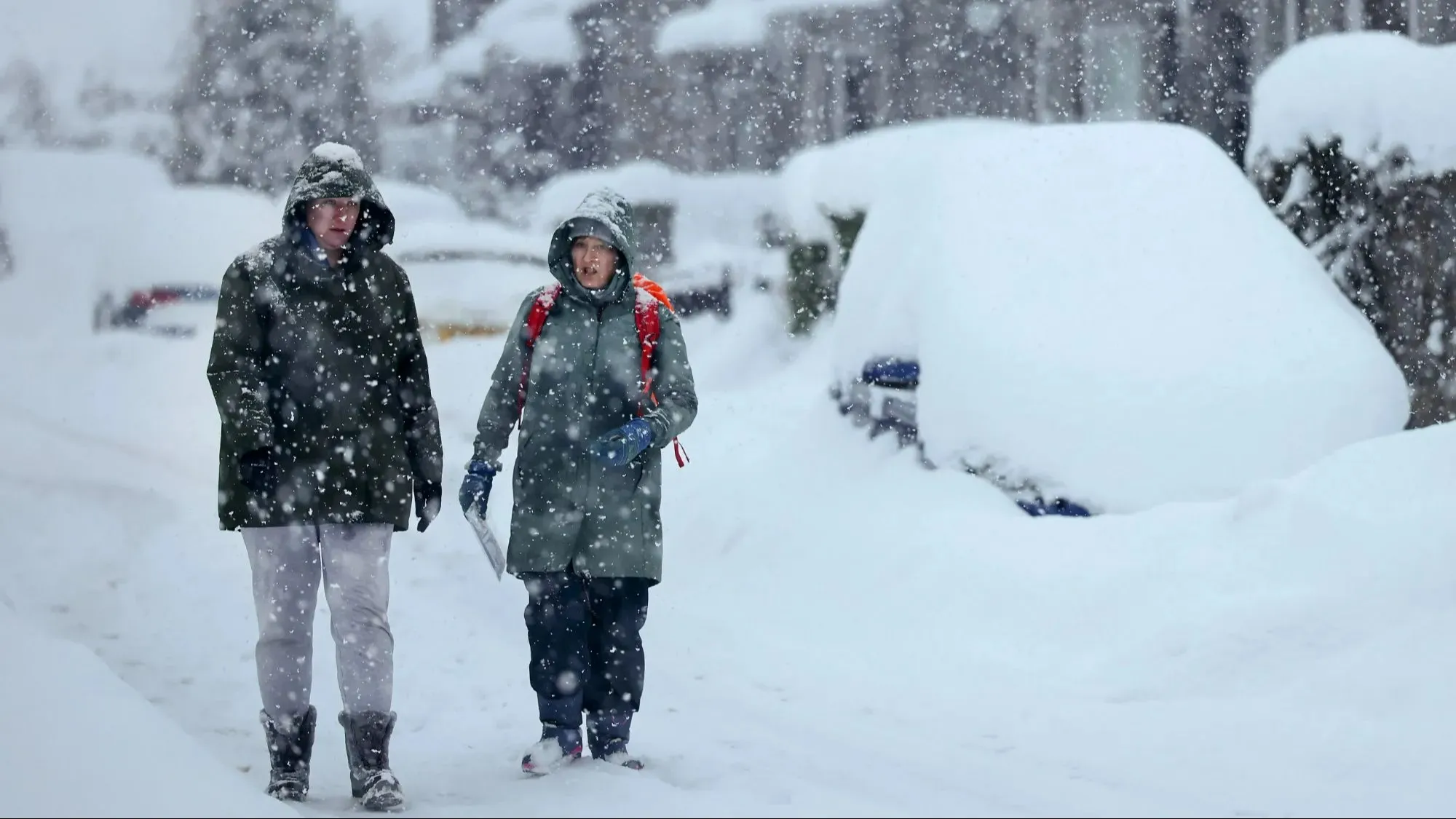
Edinburgh, Monday, 9 February 2026 — Scotland is bracing for one of the harshest winter spells in recent years, as meteorologists warn of a five-day blizzard period expected to begin mid-February. Authorities have issued multiple weather alerts across the Highlands, Central Belt, and Southern Uplands, cautioning residents about potentially hazardous travel and property risks.
The Met Office reports that heavy snowfall, combined with high winds, could lead to whiteout conditions in some areas, reducing visibility and making driving dangerous. Travel disruption is anticipated on both rural and urban roads, with public transport providers preparing for delays and cancellations.
Local councils are mobilizing emergency teams to assist with snow clearance and to provide support for vulnerable residents, including the elderly and those with mobility challenges. Hospitals and healthcare services have also been advised to prepare for an increase in weather-related injuries.
“This is a serious weather event, and residents should take precautions immediately,” said a Met Office spokesperson. “Snowfall is expected to accumulate quickly, particularly in northern and higher altitude areas, and wind chill could make temperatures feel significantly colder.”
The blizzard forecast has raised concerns for the energy sector, as prolonged cold spells increase demand for heating. Utilities companies have urged households to conserve energy where possible and to prepare for potential temporary power outages.
Schools across affected regions have started reviewing their opening plans, with some considering closures or shifts to remote learning if conditions worsen. Businesses and public services are also reviewing contingency measures to maintain operations.
The expected blizzards follow a period of milder winter weather, which had left soil and infrastructure unprepared for sudden snow accumulation. Experts warn that sudden temperature drops could lead to icy conditions on roads and pavements, increasing the risk of accidents.
Meteorologists have highlighted that this weather pattern is part of a broader trend in the UK, with climate change contributing to extreme fluctuations between mild and severe winter conditions. Authorities have stressed the importance of long-term planning and investment in resilient infrastructure to manage such events.
Residents are advised to stock up on essential supplies, including food, water, and medical provisions, and to avoid non-essential travel during peak snow periods. Local volunteer groups have also been mobilized to support isolated communities and ensure that essential services reach all areas.
Emergency services will continue monitoring conditions closely over the coming days, with frequent updates provided through official channels to ensure public safety.