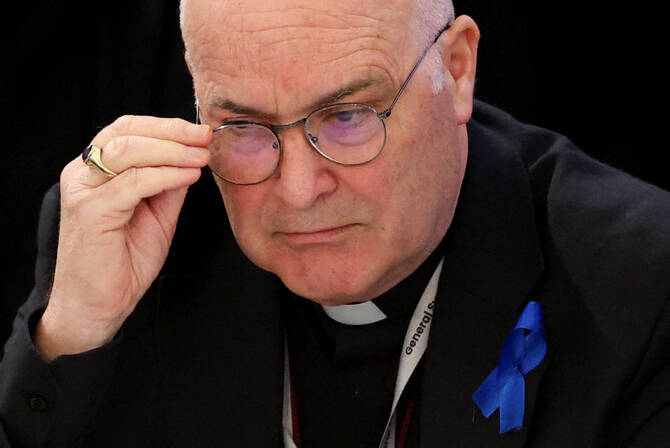
The UK’s immigration debate has once again taken center stage after a public clash between Reform UK’s deputy leader, Richard Tice, and the Acting Archbishop of York. The dispute highlights the widening gap between political leaders and church officials over how best to address the nation’s ongoing challenges with asylum and border security.
The Spark of Controversy
The row began when the Archbishop described Reform UK’s recently unveiled immigration plan as “kneejerk, unrealistic, and lacking compassion.” The comments, made during a weekend sermon in York, immediately caught national attention.
Reform UK has been pressing for stricter measures to address illegal crossings of the English Channel, pledging tougher border controls, offshore processing centers, and faster deportations for rejected asylum claims. The Archbishop, however, argued that the plan risked dehumanizing vulnerable people and ignoring Britain’s international humanitarian obligations.
Richard Tice wasted no time responding. Speaking to reporters outside Parliament, he called the Archbishop’s remarks “all wrong” and accused the church of being “out of touch with ordinary working people.”
Political Fallout
The clash comes at a sensitive time for Reform UK, which has been steadily gaining traction among voters frustrated with both Conservative and Labour immigration policies. Party leader Nigel Farage has already declared immigration the defining issue of the next general election.
For Reform, the Archbishop’s criticism provides both a challenge and an opportunity. On one hand, it risks alienating moderate voters concerned about the party’s hardline stance. On the other, it reinforces Reform’s image as the only party “willing to say what others won’t” on border security.
Political analysts believe the exchange could deepen divisions between Reform UK and mainstream institutions. “This is more than a policy debate,” said Professor Elaine Harper, a political commentator. “It’s about culture, values, and the role of faith in shaping public life.”
The Broader Immigration Debate
Immigration continues to dominate UK politics. Official figures show record numbers of small-boat crossings in recent years, sparking anger in coastal communities and pressure on the asylum system. Critics argue that successive governments have failed to provide either effective enforcement or sustainable resettlement programs.
Reform UK insists its proposals—modeled partly on Australia’s offshore processing system—would both deter illegal crossings and restore public confidence. Church leaders, human rights groups, and legal experts, however, warn that such measures could lead to costly court battles and reputational damage for the UK on the global stage.
Voices from the Public
Reactions among the public have been sharply divided. In Dover, where crossings are most visible, some residents praised Reform’s tough approach. “We’re at breaking point here,” one local said. “The government talks and talks, but nothing changes.”
Others voiced concerns about rhetoric overshadowing compassion. “These are human beings risking their lives,” a volunteer with a refugee support group told reporters. “We should remember Britain’s history of offering refuge, not closing our hearts.”
What Comes Next?
As the political storm continues, all eyes will be on Prime Minister Keir Starmer’s Labour government, which faces its own challenges balancing enforcement with fairness. Starmer has pledged a “pragmatic” immigration plan, but critics from both left and right argue that his proposals lack clarity.
For Reform UK, the clash with the Archbishop may prove to be a turning point. By positioning themselves against both the government and the church, they risk polarization but also stand to energize their core base ahead of the next election.
As the debate rages on, one thing is certain: immigration remains one of the UK’s most polarizing and politically explosive issues.