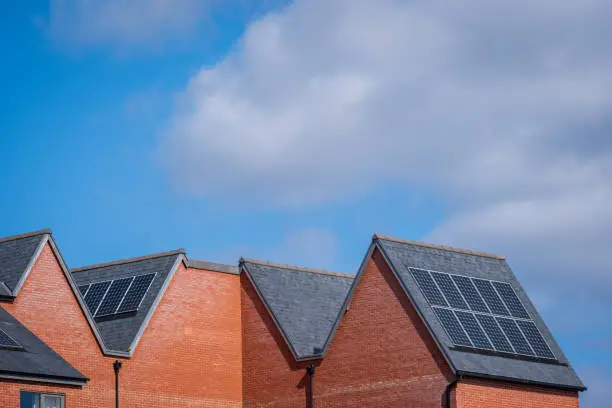
Across the United Kingdom, a quiet revolution is taking place on rooftops. More and more homeowners are discovering the long-term benefits of producing their own electricity through clean and renewable means. The choice to install home solar panels UK has become part of a nationwide shift toward sustainable living, driven by innovation, awareness, and a desire for greater control over energy use.
The Rise of Solar Energy in British Homes
The UK’s energy landscape is evolving rapidly. As society continues to focus on lowering carbon emissions and adopting greener technologies, solar power stands out as one of the most practical and accessible renewable options available today. Modern solar panels can generate electricity efficiently even under cloudy skies, making them particularly suited to Britain’s often unpredictable weather.
For many households, the appeal of solar energy lies in its simplicity. Once installed, panels silently convert daylight into usable electricity without producing noise, pollution, or waste. They integrate easily into existing home systems and operate automatically, requiring little more than occasional maintenance.
How Solar Energy Supports Sustainability
Solar power is more than just an alternative energy source—it’s a crucial component of a sustainable future. Every kilowatt of clean electricity generated by home panels reduces the demand for fossil fuels, helping lower greenhouse gas emissions. This makes each installation a small but significant contribution to national and global environmental goals.
Beyond individual impact, wider solar adoption across communities can strengthen the overall energy grid. By generating power locally, households can reduce strain on national infrastructure during periods of high demand. In the long term, this distributed generation model makes the entire system more resilient and adaptable.
The Role of the Smart Export Guarantee (SEG)
One of the key programs encouraging the adoption of solar technology in the UK is the Smart Export Guarantee (SEG). This policy allows homeowners who produce more energy than they use to export the surplus back to the national grid. In return, they receive payments from licensed energy suppliers based on the amount of electricity they contribute.
This initiative provides a practical incentive for households to maximize their solar output. It ensures that no energy goes to waste while rewarding individuals for their role in supporting clean power generation. SEG effectively turns homes into micro-generators—an empowering idea that aligns with the broader transition to renewable energy independence.
Assessing Suitability for Home Solar Installation
Not every home is the same, and neither are their solar needs. Factors such as roof orientation, pitch, shading, and local weather patterns all influence how effectively panels can capture sunlight. South-facing roofs with minimal obstruction tend to yield the highest efficiency, though modern technology has improved performance across various conditions.
Before installation, homeowners typically undergo a professional assessment to determine the best system size and configuration. These assessments help optimize energy generation and ensure compatibility with existing electrical systems.
Homeowners may also consider integrating battery storage solutions. These systems allow surplus electricity to be stored for later use, such as during the night or on overcast days. By doing so, households can make the most of their self-generated energy and reduce their reliance on the grid even further.
The Broader Benefits of Solar Energy
While the environmental advantages of solar power are clear, the personal and societal benefits extend even further. Generating electricity at home provides a sense of independence and stability, shielding households from fluctuations in energy supply and usage. Communities that embrace solar energy collectively move closer to achieving local sustainability goals.
Moreover, solar installations can enhance property value. Prospective buyers increasingly recognize the appeal of homes that come equipped with renewable energy systems. Beyond aesthetics, it represents a forward-thinking investment in modern living and environmental responsibility.
A Look Toward the Future
The future of solar power in the UK looks exceptionally bright. As technology continues to advance, efficiency rates are climbing while equipment footprints are shrinking. New materials, such as bifacial and perovskite solar cells, are being developed to further improve energy capture and durability.
At the same time, the growing popularity of electric vehicles and smart home technology complements solar adoption perfectly. Together, they create interconnected energy ecosystems where households can generate, store, and manage power in intelligent and sustainable ways.
The ongoing evolution of policy, infrastructure, and innovation is setting the stage for solar energy to play a central role in the UK’s renewable strategy. With increasing public awareness and better access to technology, homeowners are in a strong position to lead this transformation.
Toward a Cleaner, Smarter Tomorrow
Installing solar panels at home represents more than an upgrade in technology—it’s a declaration of environmental intent. Every household that generates its own clean power contributes to a collective effort to preserve the planet for future generations.
From small suburban homes to large rural properties, solar energy offers a pathway toward sustainable, self-sufficient living. It embodies the values of innovation, responsibility, and progress—principles that will shape how communities across the UK power their lives in the years to come.