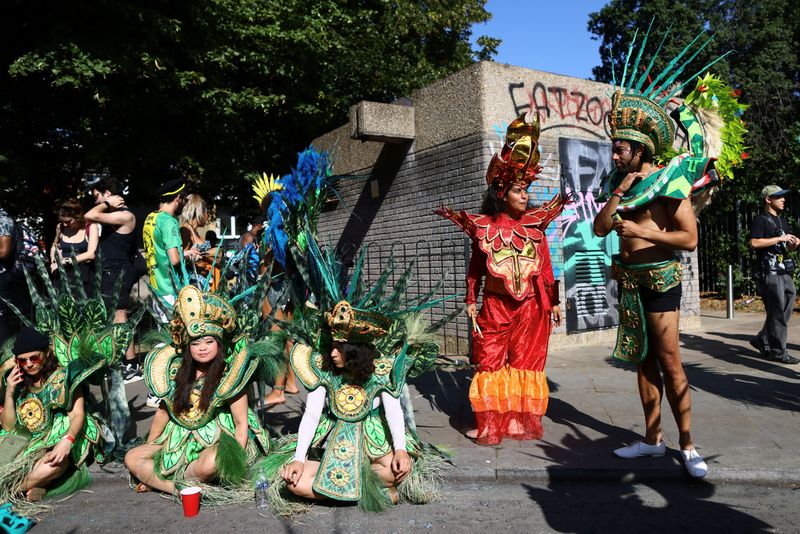
The vibrant streets of West London have once again echoed with the sound of steel drums, Caribbean beats, and laughter as the Notting Hill Carnival took place this weekend. Yet, behind the colorful costumes and booming sound systems, uncertainty looms over the future of Europe’s largest street festival.
This year’s carnival almost didn’t happen. Organizers faced crippling financial challenges until a last-minute £1 million lifeline from local councils allowed the event to go ahead. The funding covered essential costs, including policing, sanitation, and infrastructure. But while the rescue saved 2025’s carnival, questions remain about whether the festival can sustain itself in the years to come.
A Celebration of Caribbean Heritage
First held in 1966, the Notting Hill Carnival has long served as a powerful celebration of Caribbean culture and identity. Attracting over a million visitors annually, the event is not only a cornerstone of London’s cultural calendar but also a vital symbol of diversity and community pride.
Masqueraders, sound systems, and food stalls transformed the streets into a celebration of resilience and heritage. Yet even as crowds enjoyed the festivities, organizers expressed concern about how long the carnival can continue without more sustainable support.
Policing and Politics in the Spotlight
The carnival’s future has been further complicated by contentious policing tactics. London’s Metropolitan Police has used facial-recognition technology during the event, drawing criticism from civil liberties groups. While police argue that such measures ensure public safety, opponents see it as disproportionate and discriminatory.
Additionally, negative media coverage often focuses more on isolated incidents of crime than the overwhelmingly peaceful celebrations. Organizers argue that this creates a distorted perception and threatens funding opportunities.
Calls for Long-Term Structural Support
Carnival organizers and community leaders are calling for structural changes to how the festival is funded and managed. Unlike events such as Glastonbury, which benefit from robust corporate sponsorship, the Notting Hill Carnival relies heavily on local council funding and volunteer efforts.
“The carnival cannot live from hand to mouth every year,” said one organizer. “We need a model that secures its long-term future and protects the legacy of Caribbean culture in Britain.”
The Bigger Picture
Beyond its cultural significance, the carnival generates substantial economic benefits, bringing millions of pounds into London’s economy. Hotels, restaurants, and transport systems all benefit from the influx of tourists. Supporters argue that losing the carnival would be not only a cultural loss but also an economic blow.
A Crossroads for the Carnival
As the 2025 festivities wind down, the debate continues: can the Notting Hill Carnival survive the twin challenges of funding instability and political scrutiny? While this year’s rescue provided temporary relief, without long-term solutions, the carnival’s future remains uncertain.
For now, the steel drums keep beating—but whether they will continue for future generations depends on decisions made in the months to come.