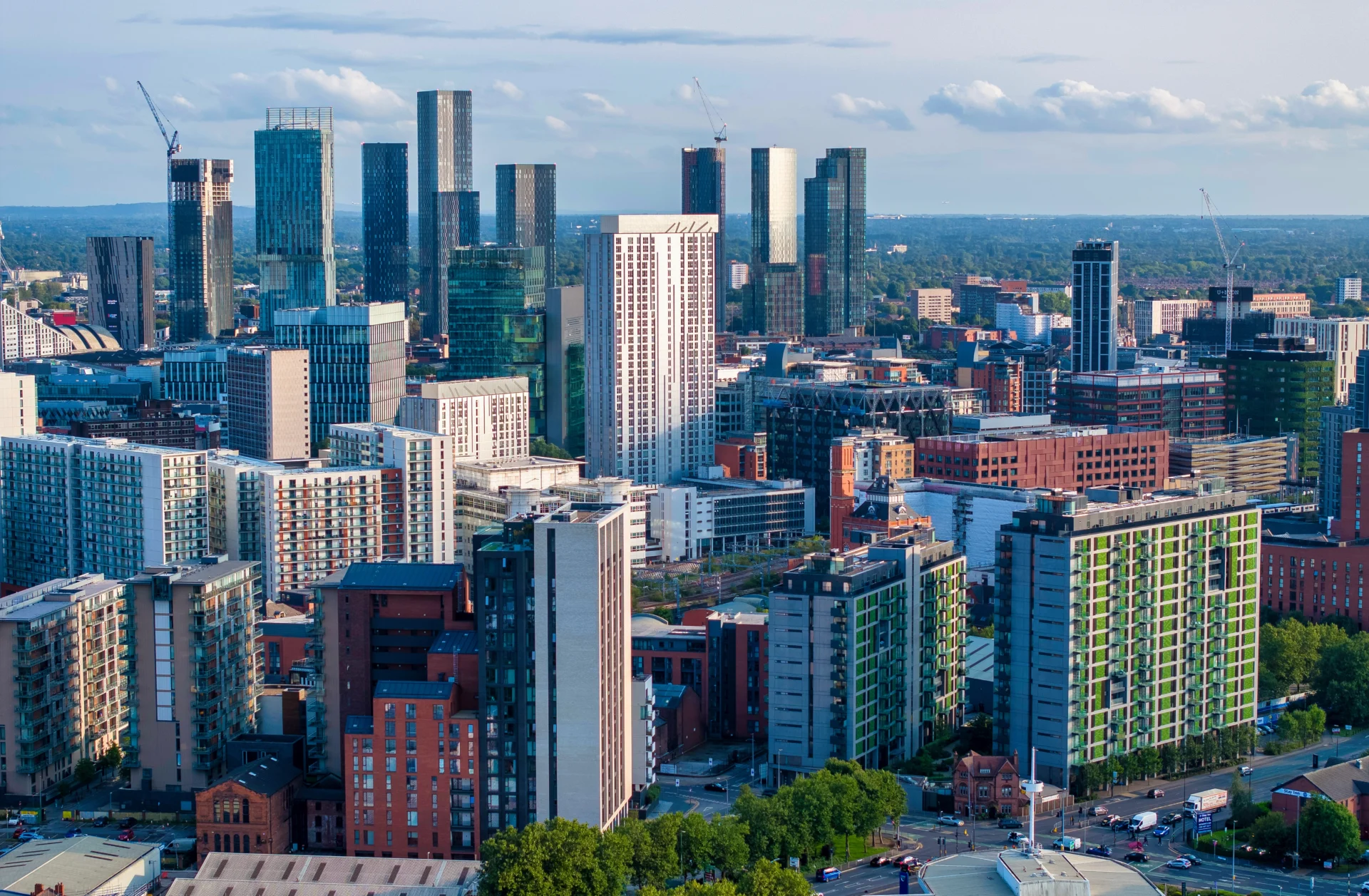
Property Investment Manchester continues to capture the attention of investors seeking strong rental yields, long-term capital growth, and a vibrant urban environment outside of London. With 2025 now in full swing, all eyes are on how Manchester’s property market will perform in the months ahead. Known for its resilience, regeneration, and economic dynamism, the city is poised to deliver fresh opportunities for both seasoned investors and first-time buyers.
But with interest rates, rental legislation, and macroeconomic factors influencing decision-making, what can investors realistically expect from the Manchester property market in 2025? Let’s explore the trends, predictions, and prospects that are shaping the outlook.
A Strong Performance in 2024 Sets the Tone
Manchester emerged from 2024 with one of the most robust housing markets in the UK. While the national market cooled in response to rising interest rates and inflationary pressures, Manchester bucked the trend with moderate house price growth, continued tenant demand, and record low void periods.
Data from property analysts shows that the average house price in Greater Manchester rose by 3.1% in 2024, outperforming several other major cities. Particularly strong growth was recorded in key city-centre postcodes such as M1, M4 (Northern Quarter and Ancoats), and M15 (Hulme and Castlefield), driven by employment expansion, improved infrastructure, and lifestyle appeal.
With the groundwork laid, 2025 is expected to see a continuation of this upward trajectory—albeit with some caution as market conditions evolve.
Rental Demand Remains High
Tenant demand is showing no signs of slowing. Manchester’s thriving economy, youthful demographic, and world-class universities have created a consistent stream of renters across a range of price points.
In 2025, rental demand is being driven by several key groups:
- Young professionals relocating for jobs in media, finance, and tech.
- Graduates who choose to stay in the city post-university.
- International students, particularly in areas such as Fallowfield and Rusholme.
- Remote workers returning to hybrid work models and seeking central accommodation.
This diversity is helping to sustain rental growth, with average rents rising by 6.4% in the past year, according to Zoopla. Well-located city-centre flats and premium build-to-rent (BTR) schemes are proving especially popular.
For investors, this means not only rising yields but also increased confidence in tenant stability and long-term income.
Interest Rates and Mortgage Market Outlook
Interest rates dominated investor conversations throughout 2023 and 2024, as the Bank of England raised the base rate to combat inflation. However, by early 2025, inflation had cooled, and there are signs that rate cuts may be on the horizon in the second half of the year.
This prospect is encouraging for property buyers. Lower borrowing costs could stimulate greater market activity, especially from landlords who had previously paused expansion plans. While mortgage rates remain above pre-pandemic levels, improved economic stability is making lenders more competitive—good news for those eyeing Property Investment Manchester.
Investors are also becoming more strategic with financing, exploring interest-only mortgages, limited company structures, and longer-term fixed rates to maximise affordability.
Key Investment Hotspots to Watch in 2025
Manchester’s appeal as a city is broad, but certain neighbourhoods are set to outperform others in 2025 due to ongoing regeneration and demand shifts.
1. Ancoats & New Islington (M4)
Still one of the city’s trendiest districts, Ancoats continues to attract young professionals and creative industries. High-spec apartments in warehouse-style buildings are in high demand, and average prices here have risen steadily over the past five years.
2. Salford Quays & MediaCityUK (M50)
Thanks to its proximity to major employers like the BBC, ITV, and Kellogg’s, Salford Quays offers high tenant demand and attractive rental yields. Several new BTR schemes are expected to launch in 2025, adding more options for investors.
3. Victoria North & Collyhurst
As part of Manchester’s £4 billion Victoria North regeneration project, Collyhurst is being transformed with thousands of new homes and green spaces. Savvy investors are already targeting off-plan opportunities in this future-proofed neighbourhood.
4. Fallowfield & Withington (M14)
Long-standing student hotspots, these areas remain popular for HMOs and shared accommodation. With increasing numbers of students returning to in-person learning, demand for quality shared housing is returning to pre-COVID levels.
The Rise of Build-to-Rent and Lifestyle-Led Living
The build-to-rent (BTR) sector is booming in Manchester, responding to demand for lifestyle-led urban living. Developments such as Kampus, The Blade, and Deansgate Square offer residents gym facilities, rooftop gardens, co-working spaces, and concierge services—features that appeal to the city’s growing cohort of young professionals.
BTR presents investors with:
- Minimal management responsibilities
- Professional property management
- High occupancy rates
- Modern, future-proofed assets
While entry costs can be higher than traditional buy-to-let, the long-term benefits are drawing increasing attention in 2025.
Challenges on the Horizon
Though Manchester remains an attractive market, investors should be aware of potential challenges:
1. Regulatory Shifts
Changes to the private rented sector—including the proposed abolition of Section 21 evictions, revisions to minimum energy efficiency standards, and expanded licensing schemes—may increase compliance obligations for landlords.
2. Construction Costs and Delays
Ongoing supply chain issues and high material costs have led to delays in new developments, putting pressure on housing availability. Investors considering off-plan purchases should vet developers carefully and account for potential timeline shifts.
3. Market Cooling in the Broader UK
While Manchester is outperforming the national average, broader economic uncertainty may still impact buyer sentiment. A cautious approach to due diligence, financing, and tenant profiling remains essential.
Outlook for Capital Growth and Yields
Despite challenges, Manchester continues to offer some of the UK’s most compelling returns.
- Average rental yields in the city centre range from 5% to 7%, with higher figures for HMOs and co-living properties.
- Capital appreciation is forecast to remain steady, with 2% to 4% growth predicted across the wider region in 2025.
- Long-term forecasts suggest Greater Manchester will see 20%+ cumulative growth over the next five years, particularly in areas linked to regeneration.
These fundamentals continue to position Manchester as a top-tier investment location in the North.
Final Thoughts
The 2025 outlook for Property Investment Manchester is undeniably positive. The city’s youthful population, strong employment base, growing rental demand, and ongoing regeneration make it one of the most resilient and future-ready markets in the UK.
While interest rates and regulation remain factors to monitor, Manchester offers a blend of affordability, profitability, and long-term potential that few other cities can match. For investors who value strong yields, modern living trends, and an evolving urban economy, Manchester remains a sound and strategic choice.
Whether you’re considering a single buy-to-let flat or diversifying with build-to-rent or HMO properties, the Manchester market in 2025 provides fertile ground for informed, forward-thinking investors.
Keep an eye for more latest news & updates on Daily!